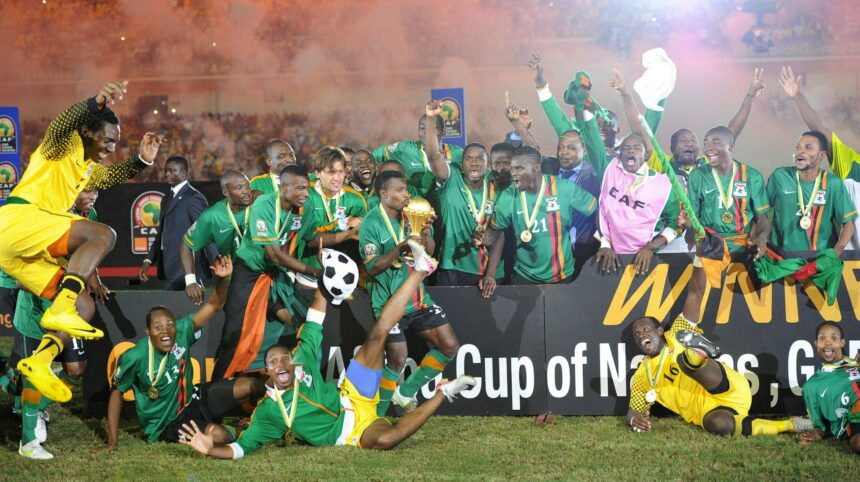
Zambia stunned the football world at the 2012 Africa Cup of Nations.
The team faced Ivory Coast in a tense final in Libreville and won on penalties.
Their victory felt like destiny. The final took place near the site of the 1993 plane crash that killed most of Zambia’s national team.
That proximity added deep emotional weight to every kick.
The build up to a fairytale
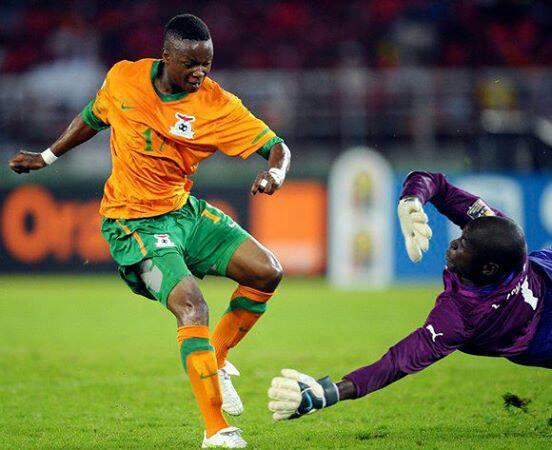
Zambia entered the tournament as outsiders. Pundits ranked Ivory Coast, Ghana and Angola above them.
Zambia started with a solid win over Senegal and steady results in the group stage.
Coach Herve Renard guided the team with calm authority and clear tactics.
He shaped a compact unit that relied on discipline and risk taking at the right moments. T
Key players and leadership

Christopher Katongo supplied leadership and big match experience.
Stophira Sunzu proved decisive in the final and rose to national stardom.
Emmanuel Mayuka offered pace and clinical finishing when chances arrived.
The goalkeeper George Kolala produced crucial saves throughout the knockout rounds.
The squad mixed veterans and hungry young players who bought into the coach’s plan.
Tactical approach
Zambia adopted a pragmatic attacking style. They pressed high in phases and defended compactly when needed.
The team focused on quick transitions from defence to attack.
Players maintained tight defensive lines and used wide areas to stretch opponents.
That balance allowed Zambia to cope with Ivory Coast’s technical superiority and star power.
Analysts praised their organisation and mental toughness.
The final and the penalty drama
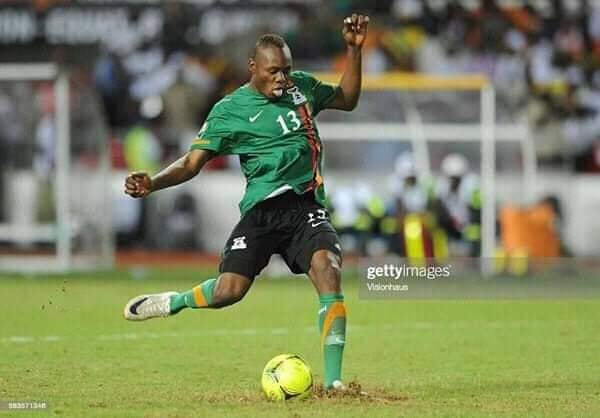
The final on 12 February 2012 finished scoreless after extra time.
Both sides created chances but failed to break the deadlock.
The match went to a long penalty shoot out.
Zambia held its nerve through several sudden death rounds.
Stophira Sunzu landed the winning kick, sending Zambia into rapturous celebration.
The shoot out ended 8 7 in Zambia’s favour.
Emotional and historical resonance
Winning in Libreville carried a symbolic meaning. The stadium stood close to the place where the 1993 plane crashed.
That disaster claimed the lives of most of Zambia’s national team.
Players, officials and fans described the 2012 triumph as redemption and tribute.
The victory provided closure for a nation and lifted a deep collective wound.
Observers called the win one of the most emotional moments in African football history.
The impact at home and across Africa
Zambia’s victory reshaped the country’s football culture.
The government and local authorities celebrated players as national heroes.
The win inspired investment in youth development and stadium improvements.
African fans admired Zambia’s resilience.
Broadcasters and international media replayed the final as a classic underdog story for years afterward.
The result reminded the continent that passion and teamwork can upset star studded favourites.
Lessons for future underdogs
Zambia demonstrated several lessons for smaller football nations.
First, strong preparation and clear tactics can neutralise individual talent.
Second, leadership on and off the pitch matters in pressure moments.
Third, cohesive team culture transforms raw ability into consistent performance.
Nations with limited resources can compete when they focus on unity, scouting and coaching.
Zambia set a blueprint for that model.
Legacy and memory
The 2012 team left an enduring legacy. Players and staff became ambassadors for sports development in Zambia.
Filmmakers and journalists told their story in documentaries and long form features.
The victory still appears in lists of the greatest AFCON upsets.
New generations of Zambian players grow up hearing about the Libreville final and the squad’s courage.
That memory continues to shape national identity around the sport.
Conclusion
Zambia’s 2012 triumph stands as a high water mark for AFCON underdogs.
The story blends tactical discipline, brave individuals and deep emotional meaning.
It proves that football in Africa produces drama and heart as well as talent.
Future underdog teams will study Zambia’s path and try to reproduce its blend of preparation, unity and belief.