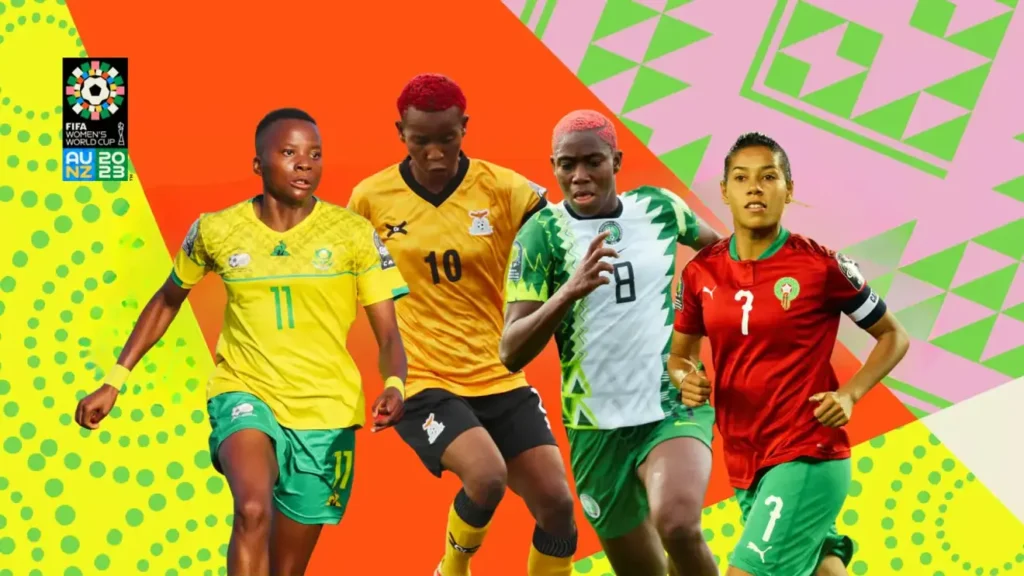
Women’s football in Africa has grown from a marginalised activity into a dynamic movement that continues to reshape the continent’s sporting identity.
Once limited by cultural restrictions, minimal funding, and limited visibility, the women’s game now thrives through stronger federations, continental competitions, rising stars, and expanding grassroots programmes.
As African countries increasingly invest in women’s sport, a new era emerges one defined by talent, ambition, and resilience.
This article explores the history, evolution, challenges, development pathways, iconic figures, and future possibilities of women’s football across Africa with detailed perspectives that highlight progress and reveal what still lies ahead.
Early History and Foundations of Women’s Football in Africa
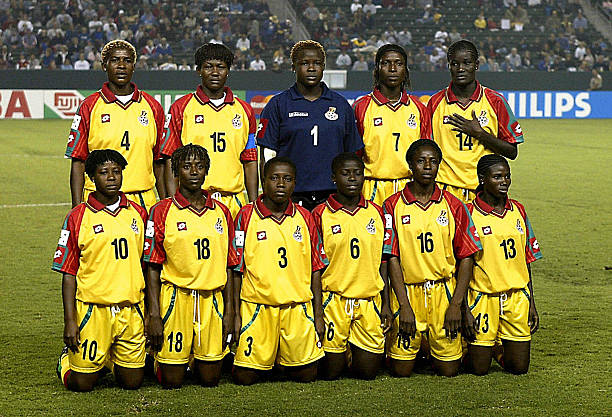
Origins and Informal Beginnings
Women first played football in African communities long before formal records appeared.
Informal matches often took place in schools, rural areas, or neighbourhood gatherings, mainly driven by passion rather than organised competition.
Despite social attitudes discouraging women from participating in sport, many girls continued to play whenever space and opportunity allowed.
First Steps Toward Organised Competition
During the nineteen eighties and nineteen nineties, several African countries began forming women’s national teams and local leagues.
Nigeria, Ghana, South Africa, and Morocco became early adopters, laying institutional foundations that would shape the decades that followed.
The Confederation of African Football later introduced structured continental competitions that accelerated growth and visibility.
Rise of Continental Competitions
Africa Women Cup of Nations
The Africa Women Cup of Nations became the continent’s flagship competition. With Nigeria historically dominating, other nations gradually closed the gap.
Cameroon, South Africa, Equatorial Guinea, Zambia, and Morocco later emerged as stronger contenders.
The tournament has evolved into a major platform for talent discovery, continental pride, and global exposure.
Women’s Champions League Africa
The launch of the Women’s Champions League Africa marked another milestone. Clubs from North, West, East, Central, and Southern Africa now compete for continental glory, creating professional pathways and encouraging federations to invest in their domestic leagues.
Key Nations Driving Progress
Nigeria
Nigeria’s legacy in women’s football remains unmatched.
The Super Falcons have dominated the continent for decades and consistently represent Africa in global tournaments.
Their strength derives from a stable talent pipeline, committed coaching, and deep football culture.
South Africa
South Africa’s Banyana Banyana reached new heights after winning the Women’s Africa Cup of Nations and qualifying for the Women’s World Cup knockout stage.
Their success highlights the benefits of long term investment and structured development.
Morocco
Morocco transformed its women’s programme through strategic investment, advanced training infrastructure, and a strong domestic league.
Their women’s national team made history by reaching the Women’s World Cup knockout rounds, inspiring a new generation.
Zambia
Zambia emerged as one of the continent’s most exciting stories.
With influential players such as Barbra Banda leading the way, the Copper Queens earned global respect and proved that smaller football nations can rise through commitment and talent.
Domestic Leagues and Club Development
Growth of Professional and Semi Professional Leagues
Many African countries now operate structured leagues that support continuous development.
Nigeria, South Africa, Morocco, Ghana, Kenya, and Tanzania invest in club football, training facilities, and youth academies.
Strong domestic leagues create opportunities for players to stay active, improve technically, and pursue football as a profession.
Influence of North African Investment
North African nations including Morocco, Egypt, and Tunisia significantly boosted the women’s game through club funding, modern infrastructure, and professional contracts.
These investments elevate standards across the continent and attract young talent.
African Stars Transforming the Global Game
Asisat Oshoala
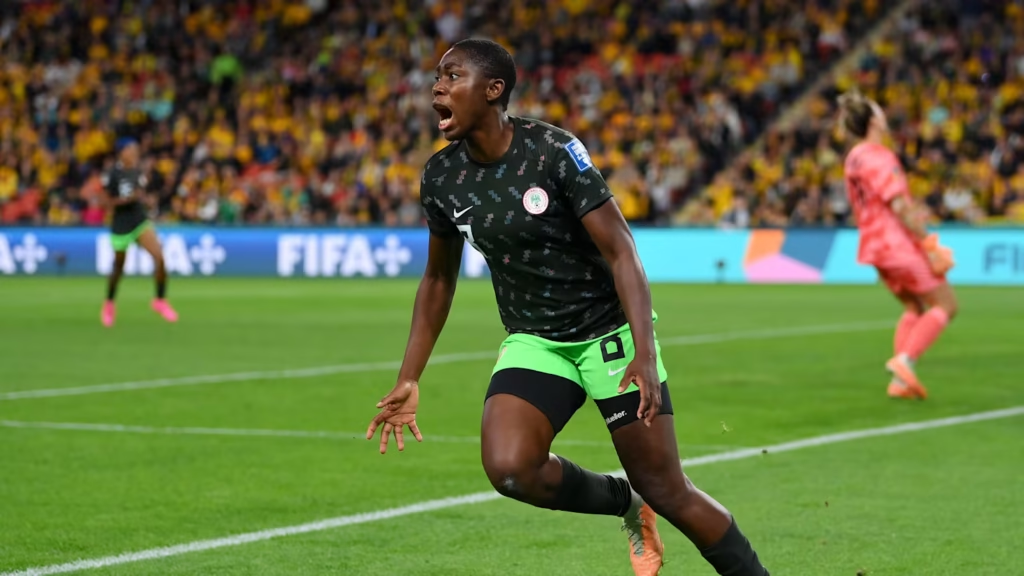
Asisat Oshoala stands among the most celebrated African footballers of all time.
Her success in Europe and her leadership on the international stage inspire millions and demonstrate the continent’s elite potential.
Barbra Banda

Zambia’s Barbra Banda combines goal scoring ability, technical excellence, and commanding presence.
She remains a symbol of what African players can achieve with opportunity and support.
The Next Generation
Rising stars from Ghana, Tanzania, South Africa, Morocco, and Kenya continue to break barriers in European and American leagues.
Their journeys strengthen Africa’s global influence.
Challenges Facing Women’s Football in Africa
Funding Limitations
Many federations still struggle to prioritise women’s football. Limited budgets affect training facilities, coaching quality, travel arrangements, and player welfare.
Cultural and Social Barriers
In some regions, deeply rooted stereotypes discourage girls from participating in sport. Changing perceptions remains crucial to long term growth.
Lack of Broadcast Coverage
Insufficient media coverage restricts commercial sponsorship and reduces visibility. More broadcast partnerships will significantly influence future development.
Player Welfare and Professional Gaps
Many players lack medical care, social protection, and professional stability. Countries must strengthen governance to ensure safer and more sustainable environments.
The Future of Women’s Football in Africa
Expansion of Youth Development
Grassroots academies continue to grow across the continent. Improving coaching education, school programmes, and community leagues will keep filling the talent pipeline.
Increased Media and Commercial Investment
Broadcasters, digital platforms, and sponsors increasingly recognise the rising popularity of women’s football. More visibility will lead to stronger leagues, better salaries, and international opportunities.
Stronger Continental Tournaments
The Women’s Africa Cup of Nations and the Women’s Champions League Africa will continue shaping elite competition and strengthening national team standards.
Vision for the Next Decade
The next ten years could see more African players in elite leagues, more nations qualifying for global competitions, and more professional domestic structures.
With consistent investment, Africa can become a competitive force on the world stage.
Conclusion
Women’s football in Africa now stands in a transformative era. It no longer exists on the periphery but thrives through determination, innovation, and expanding support.
From grassroots pitches to continental championships and global stages, African women continue to redefine possibilities and inspire future generations.
The journey remains ongoing, but momentum accelerates each year.
With sustained investment, improved governance, and deeper cultural acceptance, women’s football in Africa will reach even greater heights in the decades ahead.