Football became the people’s sport in Africa because it is affordable, accessible, and deeply connected to community life. The game requires very little equipment, it fits naturally into African social environments, and it grew into a powerful symbol of identity and unity. Over time it became the number one source of joy, pride, and entertainment across the continent.
The Story of How Football Rose to Become Africa’s Game
Football is now part of the rhythm of daily life across Africa. The sound of children playing on open fields, adults gathering around radios or television sets, and crowds filling stadiums reflect the popularity of the sport. What makes football special is not only the competition but the emotional energy and cultural spirit that surround it.
From villages to modern cities, football ties generations together. It creates stories, heroes, memories, and moments that stay with families and communities for years. The sport has become a cultural language that almost every African understands. This long form article explores the origins of football in Africa, how it became so popular, and why it maintains an unmatched place in African society.
Historical Roots of Football in Africa
How Football First Arrived on the Continent
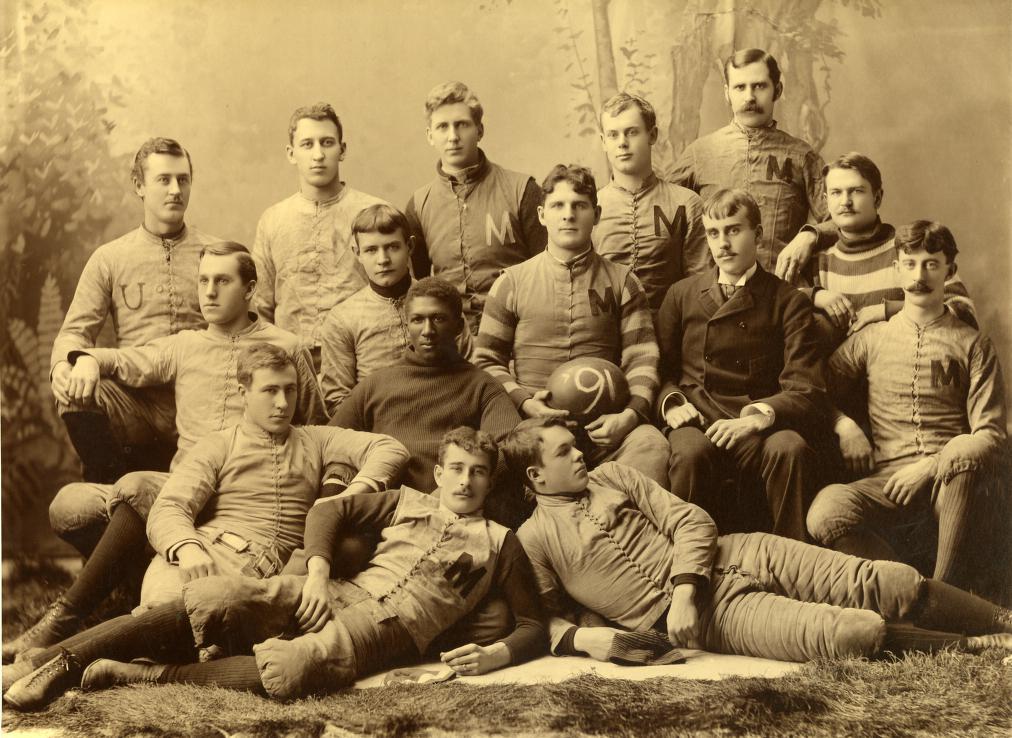
Football was brought to Africa by European colonial administrations in the nineteenth and twentieth centuries. The sport spread through mission schools, railway settlements, coastal ports, military bases, and trading posts. Unlike many sports that required expensive equipment or exclusive clubs, football was easy to understand and easy to play.
A simple ball and an open space were enough to start a game. This simplicity allowed football to take root rapidly in both urban and rural settings.
Early Local Adoption
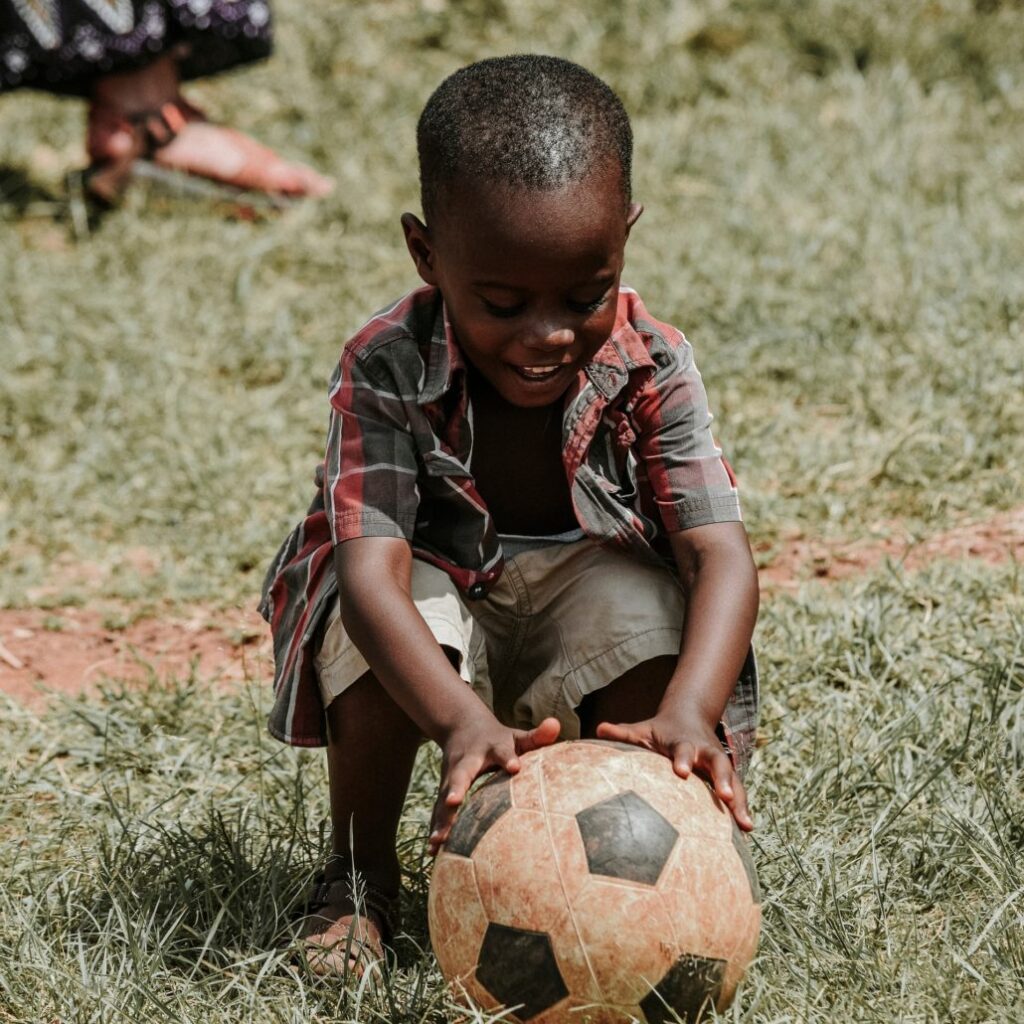
African children and young adults quickly embraced the sport. Many made balls from cloth, rope, plant leaves, or any material they could shape into a sphere. They played on sandy fields, grass clearings, and even narrow streets.
The sport naturally fitted African patterns of play, creativity, and competition. By the early twentieth century, organised clubs had begun forming in several regions. Small teams grew into community clubs, and local tournaments became common in towns and cities.
Football as a Symbol of Identity
As political independence movements emerged, football grew into a space where Africans could express confidence, belonging, and unity.
Matches between African teams and colonial teams often carried symbolic meaning. Victories created pride and reinforced a sense of emerging national identity.
By the time African nations achieved independence, football had already become part of the social and cultural landscape.
Why Football Gained More Popularity Than Any Other Sport
Accessibility for All
Football requires very little to play. Two objects can serve as goalposts, any group size works, and informal games need no referee or formal structure.
It is easy for children to join spontaneously, and communities can start matches anywhere.
This universal accessibility allowed football to spread rapidly through villages, coastal towns, mountain communities, and large cities.
The Strong Communal Spirit of African Societies
African communities thrive on shared activities, storytelling, music, and celebration. Football fits naturally into this social framework. A match creates a gathering, and gatherings create social connection.
In many places:
- Villages surround informal fields during evening games;
- Families gather around radios during national team matches;
- Urban neighbourhoods erupt with noise and movement during major tournaments;
- Elders, youth, men, and women all share the experience.
Football strengthens social bonds and reinforces the sense of belonging.
A Sport That Reflects African Culture
Football is emotional and expressive. It celebrates rhythm, competition, creativity, and drama. These qualities align strongly with African cultural traditions. Fans bring drums, songs, flags, colour, dance, and passion to the stadium. Every match feels like a community festival.
The Role of Independence Era Pride
After gaining independence, national football teams offered African nations a way to express unity and national pride. Football helped symbolise sovereignty. Success in continental tournaments and international events gave African nations a shared sense of accomplishment.
The Emotional Power of the Game
Football is full of surprises and dramatic moments. Late goals, penalty decisions, heroic saves, and unexpected victories create powerful memories. Entire towns celebrate success, and entire cities feel the sorrow of a defeat. Football moves people, and this emotional connection keeps it at the centre of African life.
The Growth of Local Clubs and Community Teams

The Foundation of Grassroots Football
Grassroots football has been essential to the development of the sport across Africa. Informal competitions have shaped generations of players. These include:
- School tournaments;
- Community championships;
- Religious organisation competitions;
- District youth leagues;
- Workplace teams.
Grassroots structures continue to provide opportunities for young players to develop skill, discipline, and ambition.
The Birth and Rise of Major Football Clubs
As cities expanded, formal football clubs emerged and grew in influence. Some of the biggest clubs on the continent include:
- Al Ahly and Zamalek in Egypt;
- TP Mazembe in the Democratic Republic of Congo;
- Asante Kotoko and Hearts of Oak in Ghana;
- Esperance in Tunisia;
- Orlando Pirates and Kaizer Chiefs in South Africa;
- Simba and Young Africans in Tanzania;
- Wydad and Raja Casablanca in Morocco.
These clubs do more than play matches. They shape local identity, inspire loyalty, and create lifelong fan traditions.
Clubs as Social Pillars
Many African football clubs are tied to particular communities, workplaces, social groups, or political movements. They represent more than sport. They reflect local pride, local struggles, and local achievements. Clubs also serve as spaces where communities gather, celebrate, and express themselves.
Thank European Colonialism for African Soccer
Radio and the First Wave of Football Communication
Before television became widespread, radio stations brought football to millions. Commentators described matches in local languages, helping communities imagine every moment. Radio united villages and cities in real time, creating early fan cultures that continue today.
Television and the Satellite Era
Television allowed African families to see domestic and international football with their own eyes. By the late twentieth century, global leagues such as the Premier League, the Spanish league, and the Italian league became extremely popular. Fans followed teams, players, and rivalries with growing passion.
This access inspired more children to pursue football and made the sport part of daily conversation.
Digital Media and the Modern Fan Experience
Mobile phones, social media, and online platforms have completely transformed African football culture. Fans now share opinions, watch highlights, track transfers, and follow global personalities instantly. Football content reaches every region, from major cities to remote villages.
The Economic Contribution of Football in Africa
Football as a Source of Employment
Football creates jobs across multiple sectors, including:
- Stadium operations;
- Broadcasting;
- Journalism;
- Coaching and technical staff;
- Youth academy management;
- Security and crowd coordination;
- Tourism;
- Merchandising.
Many African economies benefit from football related activities.
The Talent Flow to International Leagues
Africa is home to extraordinary talent. European clubs increasingly look to Africa for dynamic and gifted players. Football stars such as Samuel Eto’o, Didier Drogba, Mohamed Salah, Riyad Mahrez, and Sadio Mane became global icons.
Their success stories:
- Inspire millions of young Africans;
- Bring investment into academies;
- Raise national pride;
- Strengthen Africa’s global football influence.
Government Backing and National Development
Many African governments understand the economic and social power of football. National investments often include:
- Stadium construction;
- Training centres;
- Youth development initiatives;
- National team programmes.
Football contributes to social cohesion, tourism growth, and national branding.
The Social and Cultural Impact of Football in Africa
Football as a Tool for Unity and Peace
Football has played a role in peace building in several countries. Matches have brought rival communities together, and clubs have helped bridge social divisions. Peace tournaments and national team games often create environments where groups that ordinarily conflict interact peacefully.
Education and Youth Empowerment
Schools across Africa use football to teach teamwork, leadership, discipline, and resilience. For many youths, football offers direction and hope. It keeps many away from negative influences and helps them develop life skills.
The Expansion of Women’s Football
Women’s football has grown significantly. More girls and women now participate in school competitions, youth leagues, and national teams. Countries such as Nigeria, South Africa, Morocco, and Zambia have made major strides.
Women’s football promotes gender inclusion and expands opportunities for female athletes.
The Importance of the Africa Cup of Nations
AFCON as the Continent’s Biggest Sporting Celebration
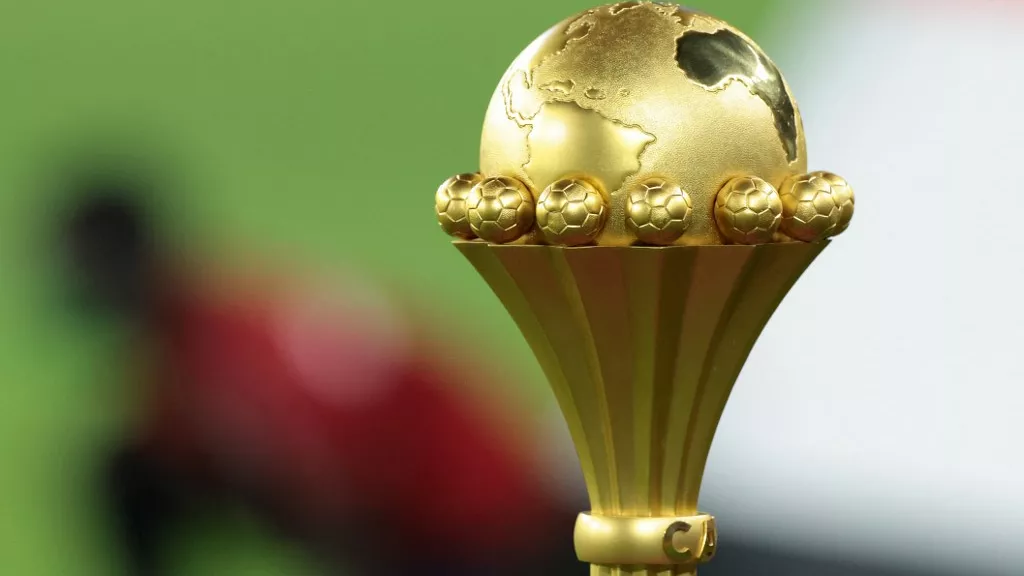
The Africa Cup of Nations is the largest sporting event on the continent. It brings together nations, excites fans, and showcases African talent. The tournament is full of colour, rhythm, passion, and national pride.
Historical Significance
Since its creation in the late nineteen fifties, AFCON has been a source of iconic moments, legendary players, and continental unity. Generations remember famous matches and unforgettable performances.
Expansion and Modernisation
The decision to expand the tournament to twenty four teams demonstrates the growth of football across Africa. More countries now participate, creating wider opportunities and raising competitive levels.
Why Football Will Continue to Lead All Sports in Africa
It Remains Affordable
Participation costs almost nothing, which ensures that football continues to attract millions of children.
It Is Part of Everyday Culture
Football is played in streets, fields, beaches, school yards, farms, and neighbourhoods. It is part of childhood, family life, and community celebration.
It Creates Dreams
Every young player imagines representing a club or national team. Football fuels ambition and hope.
It Provides Entertainment for All
Fans follow tournaments, leagues, players, and rivalries with incredible passion.
It Unites People
Football brings together different ethnic groups, religions, and generations. It bridges language barriers and connects fans across borders.
The Future of Football in Africa
A Growing Youth Population
Africa has the youngest population in the world. This ensures a steady flow of players, fans, innovators, and enthusiasts.
Improving Infrastructure
More stadiums, training facilities, and community fields are being built. Better infrastructure means more opportunities for talent development.
Professionalisation of Domestic Leagues
Local leagues continue to grow in organisation, sponsorship, and broadcasting. Higher standards will encourage more players to stay within the continent.
Rapid Growth of Women’s Football
Womens leagues and national teams are expanding rapidly. More investment will create better opportunities for female athletes and coaches.
Continental Cooperation
Regional competitions, joint academies, and shared coaching programmes continue to strengthen African football unity.
Conclusion Football Will Always Be the People’s Sport in Africa
Football became the people’s sport in Africa because it blends simplicity, community spirit, emotional energy, and cultural expression. It is a sport that mirrors African life with its joy, struggle, rhythm, pride, and celebration. From informal games on open fields to the largest continental tournaments, football connects millions across borders and generations.
As Africa continues to grow and evolve, football will remain at the centre of social life. It is the sport of unity, identity, pride, and possibility. It is and will always be the people’s sport.