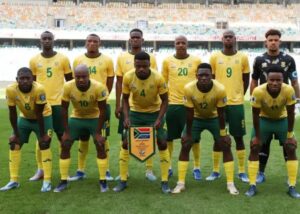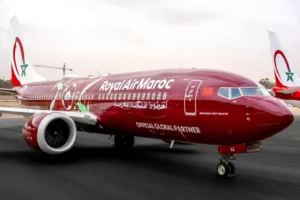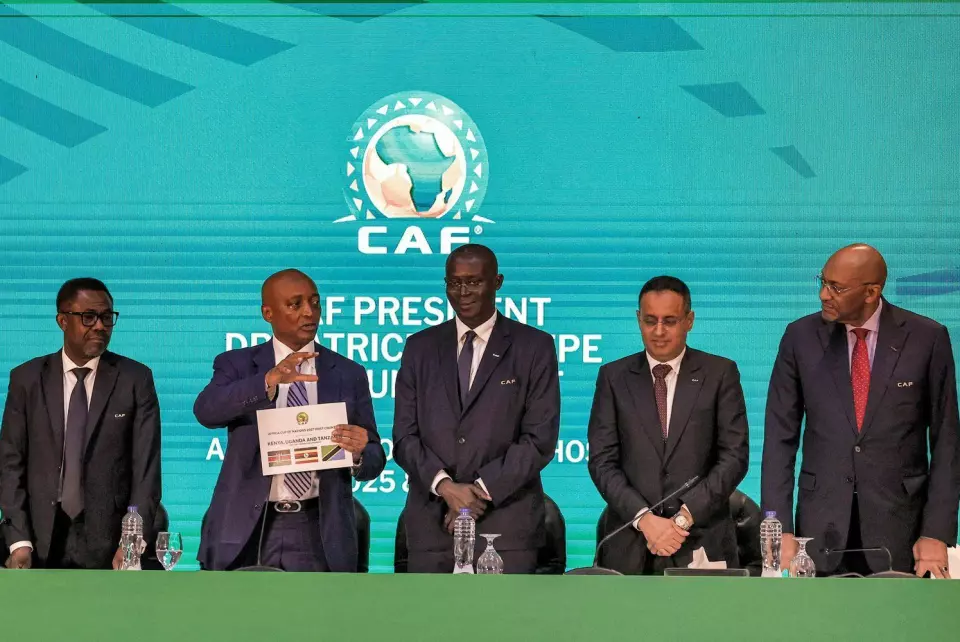
The Africa Cup of Nations (AFCON) has always been more than football.
It’s a mirror of Africa’s politics, reflecting coups, revolutions, and rivalries that shaped the continent as much as the game itself.
Power Plays and Propaganda
From the first edition in 1957, a modest tournament featuring just three teams, AFCON became more than a football tournament.
Ghana’s founding president Kwame Nkrumah understood early that sport could unify nations and amplify power.
He built a football machine that doubled as a symbol of national pride and pan-African ambition (Modern Ghana Archives, modernghana.com).
In the 1970s, Mobutu Sese Seko used Zaire’s football glory to polish his image abroad.
The Leopards’ 1974 AFCON triumph became propaganda gold, even as his regime silenced dissent at home (Vice Sports, vice.com).
Across the continent, leaders realised football could do what politics often couldn’t; unite people, inspire loyalty, and command global attention.
Hosting as a Political Trophy
Hosting AFCON quickly became a prestige project. Governments poured money into new stadiums, roads, and hotels to prove their stability and modernity.
But hosting also became political theatre. Some regimes used the tournament to distract from unrest or to soften their international image (The Elephant, theelephant.info).
Others never made it to kickoff.
Morocco’s withdrawal in 2015 over Ebola fears and Cameroon’s loss and re-award of the 2019 hosting rights due to infrastructure and security delays showed how politics and logistics often clash in African football (CAF Media Releases, cafonline.com).
Winning the right to host remains a diplomatic prize and a political gamble.
Diplomacy in Disguise
AFCON has long been a tool of soft power. Nations use it to strengthen alliances, attract investors, and display influence far beyond the pitch.
Morocco’s 2025 edition is the clearest proof yet.
The official bid book, handed to CAF on 20 September 2023, devotes an entire chapter to “Maghreb-Sahel Football Bridge” and promises 12 joint training camps with Mali, Niger and Mauritania before kick-off (Bid Book, p. 47).
On 14 February 2022, the exact day Morocco beat Egypt in the semi-final, King Mohammed VI opened the “Africa Investment Forum – Marrakech 2022” with presidents of Senegal, Côte d’Ivoire and Guinea-Bissau on the guest list (Royal Palace press release).
Since winning the bid, Rabat has signed three bilateral accords that cite AFCON 2025 as the launch platform:
1. Morocco–Senegal “Sports & Youth Diplomacy” (Dakar, 12 Dec 2024)
2. Morocco–Mali “Stadium Twinning” (Bamako, 20 Mar 2025)
3. Morocco–Mauritania “Fan Visa Waiver” for tournament dates (Nouakchott, 8 Jul 2025)
(All three published on maroc.ma/diplomatie)
For many nations, the Africa Cup of Nations isn’t just about goals, it’s a platform for political messaging.
Coups, Sanctions and Fallout
When armies move, football often stops. Military coups across the Sahel in Mali, Burkina Faso, Niger-and beyond, including Guinea and Sudan have repeatedly shaken their football programs.
CAF and FIFA sometimes suspend federations tied to political interference, cutting off players from competition (ADF Defence Review, adf-magazine.com).
Hosting rights, too, are vulnerable. Governments hit by coups and chronic unreadiness risk losing the continent’s biggest showpiece.
Guinea was stripped of 2025 on 1 October 2022 because “only four stadiums have begun work… no hotel meets CAF standards”, even though the 5 September 2021 coup had frozen every public contract for months (CAF communiqué; Reuters.com).
Sanctions alone have never taken a tournament away; Egypt hosted 2019 under President Sisi despite EU and US condemnations of mass death sentences and NGO raids (EU Resolution 18 Dec 2018; HRW 2019).
In African football, stability off the pitch often decides success on it.
The Balancing Act
Politics has certainly amplified AFCON’s scale, money and global reach. More sponsors, bigger stadiums, wider audiences.
But it also risks hijacking the narrative. Leaders crave the spotlight. Fans crave the sport.
When politics leads, football follows sometimes reluctantly.
• Performance pressure shifts toward spectacle rather than sport.
• Hosting becomes a burden when budgets, infrastructure or governance falter.
• The game risks being used as cover for wider political issues rather than as pure sport.
The Africa Cup of Nations thrives when it stays a people’s tournament, not a political project.
The Verdict
For better or worse, the Africa Cup of Nations has always been entangled with power. Its history is written not only in goals and glory, but in coups, sanctions, and diplomacy.
Football gave Africa a stage. Politics made sure the spotlight never turned off.