Fan Troubles Erupt at Villa Park
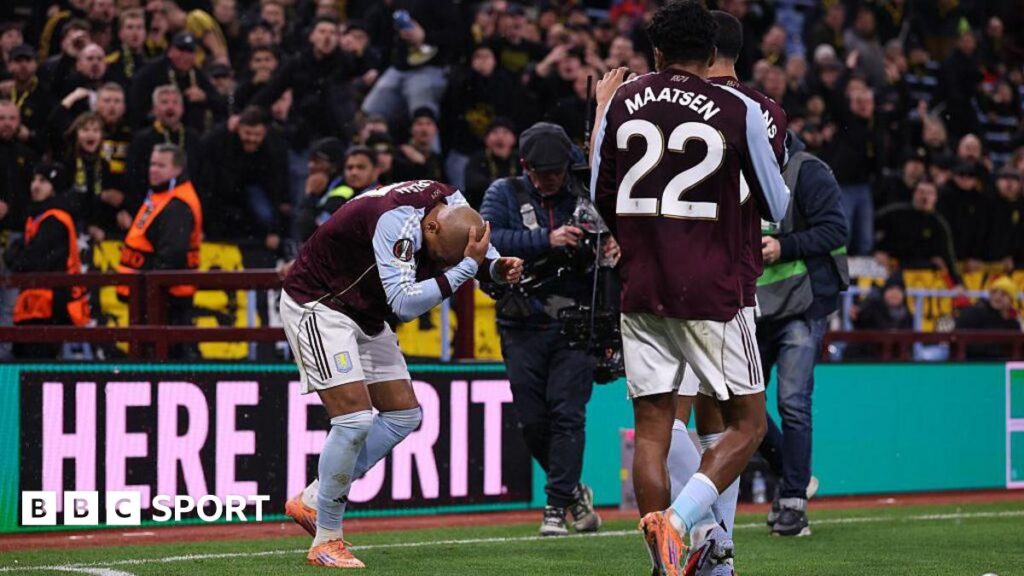
Donyell Malen had just secured Aston Villa’s lead against Young Boys, celebrating with excitement when things took a dark turn. As he approached the corner flag, he was met with an avalanche of cups thrown from the crowd, resulting in a cut on his head. Following his second goal, fans from the visiting team hurled more objects while clashes erupted between them and the police. This incident led to the arrest of two away fans for fighting and attacking an officer.
But is this just an isolated event, or does it point to a larger trend in fan behavior?
Current Status of Fan Conduct in UEFA
While UEFA does not publicly share historical data on incidents, it is known that there are currently 116 active stadium bans across all competitions, including women’s and youth events. Of these, 16 additional bans are anticipated due to infractions. The leading offenses include lighting fireworks (67 cases), racist and discriminatory conduct (31), throwing objects (25), crowd disturbances (12), and damage to stadiums (seven).
Consequences for these actions can include the potential for playing without away fans, partial stadium closures, or even matches being held without any audience. Bans typically have a two-year suspension before being enforced upon a repeat offense.
Young Boys’ Recent History of Disorder
Young Boys have been frequently in trouble with UEFA, with the specter of a fan ban just lifted last week after a two-year probation period came to an end. Their last significant infraction occurred during a match against Manchester City in November 2023, where they faced penalties for crowd disturbances, including object-throwing and vandalism.
Earlier in the year, the club also experienced a suspended partial stadium closure due to fans igniting fireworks, resulting in a longer probation. Upcoming penalties for the incidents during the Aston Villa match remain to be seen, including whether UEFA will enforce stricter measures or initiate another probationary period. It is expected they will be required to cover the repair costs at Villa Park.
Rising Incidents of Fan Disorder
Since football resumed post-Covid, there has been an alarming rise in incidents of fan discord. In fact, the number of arrests at matches across England and Wales hit a nine-year high in 2023, with a 14% increase noted in the ongoing campaign and another 18% rise projected for the upcoming 2024-25 season.
Interestingly, English clubs participating in European competitions have not faced any of the 132 reported incidents recorded by UEFA’s disciplinary body; however, the repercussions of previous behavior continue to affect fans’ reputations.
In UEFA’s 2024-25 season fair play rankings based on supporter conduct, England ranks sixth, behind much smaller nations like the Faroe Islands and Moldova.
Discrimination and Inappropriate Behavior Persist
Despite efforts to maintain order, issues were also reported during the 2023 Champions League final, where Liverpool fans encountered aggressive policing in Paris. Similarly, Newcastle United fans alleged they faced disproportionate force following their match against Marseille.
However, English fans have not been completely innocent. Instances of disorder included Fiorentina’s captain suffering a head injury from an object thrown by a West Ham supporter during the 2023 Conference League final. Consequently, West Ham faced a €50,000 fine and a ban on their fans for one away match while remaining under a probation period following past conduct.
Context of Maccabi Tel Aviv’s Absence
Against the backdrop of Young Boys’ history of misconduct, questions arise about how they were permitted to have an away allocation at Villa Park while Maccabi Tel Aviv was denied. Ranking near the bottom for supporter behavior in Europe, Swiss clubs do not have a strong reputation, with Maccabi Tel Aviv facing a ban due to incidents of violence and hate crime.
Fans of Maccabi were barred from traveling due to high-risk assessments, coinciding with heightened tensions related to the ongoing conflict in the region. Protests ahead of the match led to arrests, showing the complexities of managing supporter behavior and safety.
Young Boys’ probation indicates that limitations can curb excesses, yet merely imposing fines for discriminatory actions might not be sufficient for meaningful improvement, even as various clubs face sanctions for such activities.
The scrutiny over fan conduct continues to remain a pressing issue in European football, with authorities striving to balance safety and supporter passion amidst rising challenges.