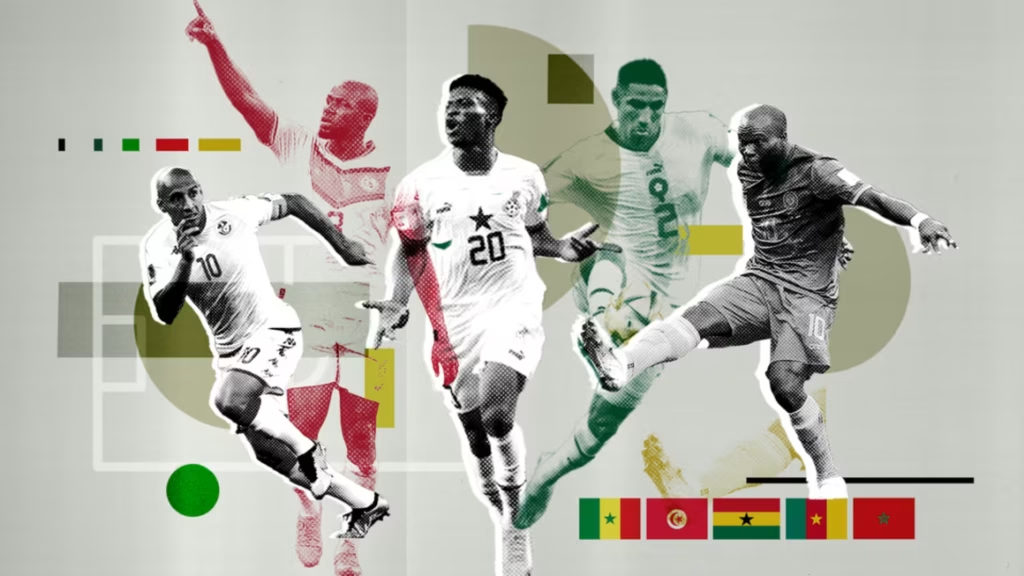
African football has risen to global prominence through unforgettable moments, extraordinary rivalries, and tournaments that shaped the sport’s identity across the continent.
These competitions influenced national pride, strengthened football development structures, and produced some of the most celebrated talents in world football.
From the earliest continental championships to the modern era of elite club and youth tournaments, the story of African football is deeply connected to the competitions that challenged players, united nations, and showcased the unique brilliance of the African game.
This comprehensive article explores the tournaments that played the most significant roles in building African football.
Each competition contributed differently to the continent’s evolution, whether through national team achievements, club excellence, youth development, or the growth of the women’s game.
Together, they form the foundation of African football heritage and continue to shape its future.
The Africa Cup of Nations
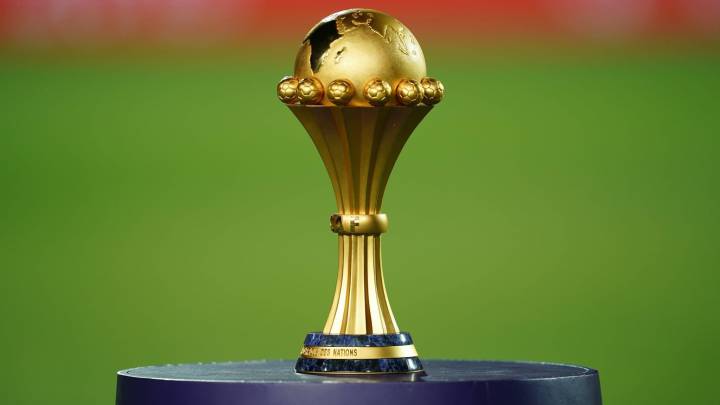
The Origin of the Continental Giant
The Africa Cup of Nations is the most influential tournament in African football.
It stands as the premier competition for national teams and remains the most watched and celebrated sporting event on the continent.
When the first edition took place in 1957 with Egypt, Sudan, and Ethiopia, it marked the beginning of continental unity in football.
Many African states were gaining independence during this period, and the tournament quickly became a powerful symbol of pride and sovereignty.
From this modest beginning, the competition grew steadily as more nations joined CAF and built stronger football structures.
Every edition became an opportunity for countries to assert their identity through sport and showcase their talent on the continental stage.
Continental Growth and Rising Prestige
AFCON grew from three participating teams to eight, then to sixteen, and today it hosts twenty four nations.
The expansion reflects the rise of football across Africa and the development of national team programs.
The tournament now displays a wide range of playing styles, tactical innovations, and deep rivalries between nations.
Countries such as Egypt, Ghana, Nigeria, Cameroon, Algeria, and Côte d’Ivoire have dominated various eras, while others like Zambia, South Africa, Tunisia, Morocco, Mali, and Senegal have established themselves as serious contenders.
AFCON became known for its intensity, unpredictable outcomes, and the incredible passion of supporters who treat each match as a national celebration.
Legendary AFCON Moments That Defined African Football
AFCON is the birthplace of many unforgettable stories:
- Egypt produced one of the greatest achievements in international football history when it won three consecutive titles between 2006 and 2010.
- Cameroon inspired the continent with the influence of Samuel Etoo and older legends such as Roger Milla.
- Nigeria delivered iconic performances through generations that included Jay Jay Okocha, Rashidi Yekini, and Vincent Enyeama.
- Zambia won one of the most emotional titles ever recorded in 2012 when they triumphed near the location of the tragic plane crash that took the lives of their national team years earlier.
- Senegal finally lifted their first AFCON trophy in 2022 after decades of near misses.
- South Africa celebrated an historic victory on home soil in 1996 during a period of national transformation.
AFCON became the defining symbol of African football and a global showcase for some of the continent’s greatest talents.
The African Nations Championship

A Tournament for Homegrown Talent
The African Nations Championship is a unique competition created to celebrate players who compete in their domestic leagues.
Unlike AFCON which includes African stars playing abroad, this tournament highlights the best talent competing within the continent.
The objective was to help local leagues grow, increase visibility for domestic players, and strengthen national team structures from within.
CHAN quickly proved its value by offering exposure to local stars and creating opportunities for them to move to major African clubs or European teams.
The Role of CHAN in Player Development
The tournament has benefited nations with strong domestic competitions such as Morocco, Egypt, Nigeria, South Africa, and DR Congo.
Morocco set new standards for league structures and academy organization, while DR Congo demonstrated the strength of its competitive local football culture.
CHAN became a platform where coaches could experiment with tactically flexible players who have not yet moved abroad.
Many national teams discovered future AFCON and World Cup players through CHAN.
Memorable CHAN Achievements
Notable CHAN achievements include:
- DR Congo winning the inaugural edition and establishing early continental authority;
- Morocco becoming the first nation to retain the title;
- Uganda and Tanzania using the tournament to develop national team cores;
- Mali and Côte d’Ivoire demonstrating the depth of their local systems.
CHAN continues to strengthen African leagues and provide a clear pathway for locally based players to reach international levels.
The CAF Champions League

The Premier Club Championship of the Continent
The CAF Champions League is Africa’s most prestigious club competition.
Since its inception in 1964, it has showcased the continent’s richest club traditions, fiercest rivalries, and greatest tactical battles.
Clubs from North, West, Central, East, and Southern Africa compete through intense home and away matches that display the full spectrum of African football culture.
Historical Rivalries and Continental Dynasties
Egyptian giants Al Ahly and Zamalek developed one of the fiercest rivalries in global football and often used the Champions League stage to assert their continental dominance.
Al Ahly became the most successful club in African history, earning the title of African Club of the Century.
Clubs such as TP Mazembe from the Democratic Republic of Congo, Esperance of Tunisia, Raja Casablanca and Wydad Casablanca of Morocco, ASEC Mimosas of Côte d’Ivoire, and Mamelodi Sundowns of South Africa all contributed to a rich continental tradition.
These clubs invested in strong academies, installed professional structures, and produced generations of talented players who would later represent their national teams.
Modern Transformation and Professional Growth
The Champions League has evolved with improved broadcast income, digital reach, and increased prize money.
Many African clubs now emphasize sports science, advanced coaching methods, and modern facilities.
Participation in the tournament has become a benchmark for professionalism, creating a ripple effect of improvement across domestic leagues.
The CAF Confederation Cup

An Essential Competition for Emerging Clubs
The Confederation Cup, introduced in 2004, gave mid tier clubs across Africa a chance to compete for continental honors.
It merged elements of the old CAF Cup and the African Cup Winners Cup and became Africa’s equivalent of the secondary tier European competition.
The tournament plays a vital role in offering international exposure to clubs that may not have the resources or squad strength to compete in the Champions League.
It also encourages the growth of domestic leagues by giving smaller clubs continental experience.
A Tournament with Balanced Competitiveness
Unlike the Champions League where clubs from North Africa dominate more frequently, the Confederation Cup has produced champions from West Africa, North Africa, Central Africa, and Southern Africa.
The diversity of winners demonstrates the competitive balance in this tournament and its importance to the infrastructure of African football.
Breakout Success Stories
Several success stories have emerged from the Confederation Cup:
- RS Berkane of Morocco rose to prominence through strong performances;
- Étoile du Sahel of Tunisia secured multiple titles;
- TP Mazembe reclaimed continental relevance after performing strongly;
- ASEC Mimosas and Hearts of Oak used the tournament to rebuild.
It remains a crucial tool for capacity building in African club football.
The CAF Super Cup
The Continental Showpiece Match
The CAF Super Cup brings together the champions of the Champions League and the winners of the Confederation Cup in a single high profile match.
It symbolizes supremacy in African club football and provides a highly anticipated climax each season.
Regional Dominance and Emerging Contenders
North African clubs have historically dominated the match, but clubs from Southern and Western Africa have begun to challenge that dominance.
The Super Cup has also given clubs from smaller football markets a chance to compete against Africa’s most established giants.
Youth Competitions That Built Future Generations
The Under Seventeen and Under Twenty African Championships
Youth tournaments remain vital to the development of African football talent.
The Under Seventeen and Under Twenty African Cup of Nations tournaments uncovered many of the continent’s finest players.
Nigeria and Ghana became early specialists at youth level, while Mali, Senegal, Côte d’Ivoire, Morocco, Cameroon, and South Africa built strong youth systems in more recent years.
How Youth Events Shaped African Football Identity
Many global stars discovered their competitive identity through these youth tournaments.
The competitions provide an opportunity for early exposure to international environments, tactical challenges, and the pressures of representing a nation.
They have also become key scouting grounds for European clubs looking for elite athletic and technical talent.
Global Success at the FIFA Youth World Cups
Africa performed exceptionally well on the global stage in age restricted FIFA competitions.
Nigeria’s dominance at the Under Seventeen World Cup, Ghana’s World Cup success in 2009, and consistent strong showings by Mali, Senegal, and Côte d’Ivoire all contributed to Africa’s reputation as a powerhouse of youth talent.
Women’s Football Tournaments
The Rise of the Africa Women’s Cup of Nations
The Africa Women’s Cup of Nations has rapidly transformed from a modest competition to one of the fastest growing football tournaments in the world.
Nigeria dominated the early years, but nations such as South Africa, Morocco, Zambia, Cameroon, and Equatorial Guinea have narrowed the gap significantly.
The growth of AWCON increased investment in women’s football academies and encouraged the strengthening of national leagues.
The CAF Women’s Champions League
CAF introduced the Women’s Champions League to accelerate the professional development of the women’s game.
Clubs such as Mamelodi Sundowns Ladies and AS FAR Rabat demonstrated world class organization and technical ability.
The tournament strengthens coaching quality, talent identification, and league competitiveness across the continent.
The Role of Global Competitions
African teams made strong impressions at recent editions of the FIFA Women’s World Cup and the Olympic Games.
These performances highlight the growing technical and tactical sophistication in African women’s football.
The FIFA World Cup
Africa on the Global Stage
Africa’s introduction to the FIFA World Cup began with Egypt in 1934. Regular participation became consistent after 1970, and the continent soon delivered some of the most iconic moments in global football history.
Breakthrough Performances
Several unforgettable achievements include:
- Cameroon’s run to the quarter finals in 1990;
- Nigeria’s golden era performances in 1994 and 1998;
- Senegal’s stunning victory against defending champions France in 2002;
- Ghana reaching the brink of the semi finals in 2010;
- Morocco making history as the first African nation to reach the semi finals in 2022.
These achievements proved that African teams could compete with the best in the world and helped reshape global football perceptions of the continent.
Impact on African Football Development
World Cup appearances produced increased investment, professional coaching programs, modernized facilities, and expanded youth academies.
Many African nations used World Cup participation to unify citizens and build stronger national football cultures.
The African Games Football Tournament
A Developmental Platform
Before the full structure of CAF youth competitions was established, many nations used the football tournament at the African Games to identify and develop young players.
The competition featured under twenty three teams in more recent editions and remained an important step for nations with developing football structures.
Contribution to National Success
Countries such as Ghana, Algeria, Nigeria, and Egypt benefited significantly from using the African Games to strengthen their youth systems and build national team depth.
Regional Football Tournaments
CECAFA, WAFU, COSAFA, and UNAF Competitions
Regional cups are essential to the African football ecosystem.
They create competitive continuity, foster rivalries, and offer valuable preparation for AFCON qualifiers and World Cup campaigns.
Prominent regional tournaments include:
- CECAFA Cup in East Africa;
- WAFU Cup in West Africa;
- COSAFA Cup in Southern Africa;
- UNAF Cup in North Africa.
These tournaments nurture local rivalries and offer consistent international experience for emerging national team players.
Building Football Identity Across Regions
Regional competitions help nations create distinct football identities influenced by their playing styles, cultures, and tactical approaches.
They also provide local football associations with a consistent competitive calendar.
Conclusion
African football has been shaped by an extraordinary array of tournaments. AFCON gave the continent a unifying event and a stage for legendary national team battles.
Youth tournaments created the pathway for young stars to rise. Club competitions built strong professional environments across Africa.
The women’s tournaments accelerated the growth of the women’s game. Regional cups sustained local rivalries and strengthened grassroots development.
The FIFA World Cup brought Africa to global attention and demonstrated the continent’s immense potential.
Each competition contributed to African football’s identity and continues to inspire a new generation of players, coaches, and fans.
The future will be built on the foundations created by these tournaments, and their impact will remain central to the evolution of African football for decades to come.