North African clubs now rule CAF competitions.
Teams from Egypt, Morocco, Tunisia, and Algeria reach finals almost every season.
Strong investment, solid management, and passionate fans drive their dominance.
Egypt’s Legacy of Supremacy

Al Ahly leads African football with record CAF Champions League titles.
The Cairo-based club holds 12 Champions League trophies, including the 2023 win.
Zamalek, also Egyptian, has won 5 Champions League titles.
Both clubs shaped Egypt’s proud football identity and inspired continental rivals.
Morocco’s Modern Rise

Wydad Casablanca dominates recent CAF seasons.
They won the 2017 and 2022 Champions League titles.
Raja Casablanca, another Moroccan powerhouse, has three Champions League trophies.
Morocco’s clubs benefit from advanced stadiums and government-backed football projects.
Their consistency shows the growth of Moroccan football under the Royal Federation’s reforms.
Tunisia’s Tactical Powerhouses
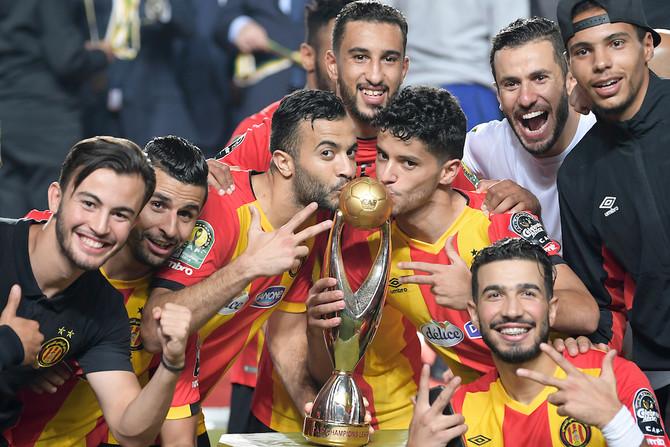
Espérance de Tunis remains Tunisia’s most successful club.
They hold 4 CAF Champions League titles, the latest in 2019.
Club Africain and Étoile du Sahel also made deep continental runs.
Tunisian teams build success through technical discipline and tactical awareness.
They invest heavily in coaching and youth programs.
Algeria’s Consistent Contenders

JS Kabylie and ES Sétif represent Algeria’s proud football history.
Kabylie holds 7 CAF trophies, including two Champions League titles.
ES Sétif won the 2014 Champions League, confirming Algeria’s strength.
Algerian clubs combine resilience, physicality, and passionate support.
Their players often transition smoothly into European football.
Key Factors Behind North African Dominance
a. Financial Stability
North African leagues attract rich sponsors and government funding.
This financial power ensures quality facilities, modern training grounds, and top salaries.
Strong Domestic Leagues
Egypt’s Premier League, Morocco’s Botola Pro, and Tunisia’s Ligue 1 offer intense weekly competition.
Players develop mental and tactical sharpness before facing continental rivals.
Coaching and Tactics
Clubs employ experienced local and foreign coaches.
They emphasize discipline, possession football, and defensive structure.
This tactical identity delivers consistent results in two-legged CAF ties.
Youth Development
Academies in Cairo, Casablanca, and Tunis produce high-level talent.
Local youth systems supply fresh players and reduce transfer dependence.
Many graduates shine in Europe and return to strengthen domestic clubs.
Fan Culture
Fans in North Africa create electric atmospheres during home games.
Crowds in Casablanca, Cairo, and Tunis turn stadiums into fortresses.
That energy often overwhelms visiting teams and lifts home players’ confidence.
The New Generation of Challengers
Egypt’s Pyramids FC won the 2025 CAF Champions League, showing the benefits of smart investment.
The club represents a modern model built on private funding and data-driven strategy.
It signals the arrival of a new wave of financially powerful North African teams.
Challenges to Sustained Dominance
Overreliance on state and corporate money threatens stability.
Clubs must develop independent revenue streams from sponsorships and player sales.
They also need transparent governance to maintain investor confidence.
CAF reforms and tournament expansion may test their long-term control.
Lessons for the Rest of Africa
Other African regions can learn from North Africa’s structure.
Develop strong youth systems and modern club management.
Invest in stadiums, coaching education, and domestic leagues.
These steps can close the gap and improve continental competition balance.
Global Impact of North African Clubs
Their success raises Africa’s global football profile.
International broadcasters and sponsors prefer reliable, professional clubs.
European scouts now monitor North African leagues closely.
That visibility boosts the entire continent’s football reputation and market value.
Conclusion
North African clubs lead African football through planning, money, and passion.
Their dominance lifts CAF competitions’ quality and global attention.
If other regions adopt similar methods, African club football will thrive even more.