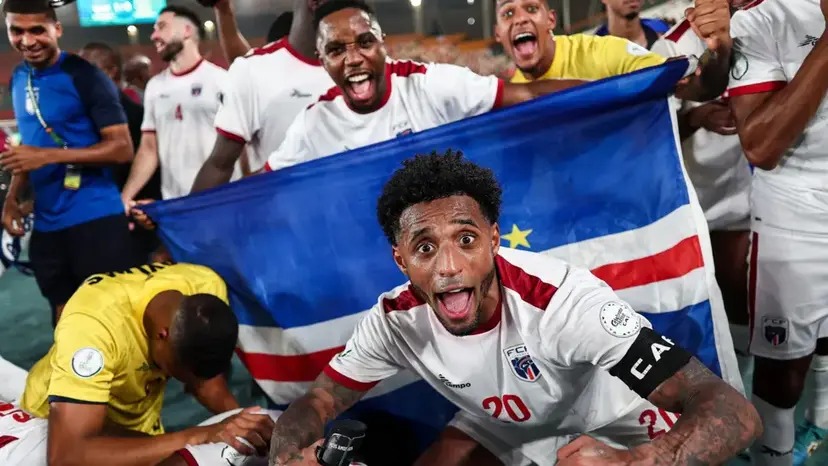
Cape Verde has achieved a historic milestone by qualifying for their first-ever FIFA World Cup.
The tiny island nation of just over 500,000 people has defied expectations through discipline, unity, and belief.
From humble beginnings on dusty pitches, the Blue Sharks have risen to challenge Africa’s football giants.
Their journey reflects how vision and hard work can transform even the smallest nation into a continental force.
Cape Verde reaches the World Cup for the first time
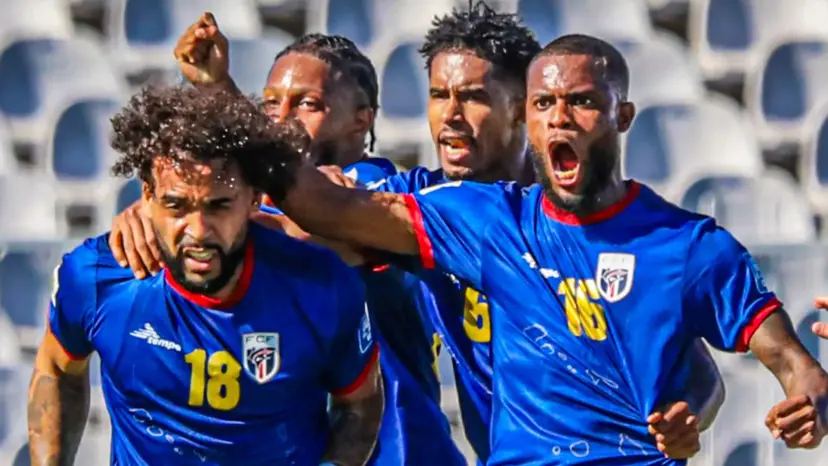
Cape Verde has achieved its biggest football dream. The Blue Sharks qualified for the FIFA World Cup for the first time in history.
They sealed the historic moment with a 3–0 win over Eswatini in Praia on 13th October, 2025.
Goals from Dailon Livramento, Willy Semedo, and veteran Stopira confirmed their place at the 2026 tournament in North America.
The result placed them top of Group D ahead of Cameroon, one of Africa’s traditional football powers.
A small nation with a big ambition
Cape Verde has a population of about 525,000 people. Despite its size, the island nation has proven that determination can rival resources.
Their journey shows that ambition and unity matter more than population or wealth.
Every player and coach shares a single vision—to put Cape Verde on the world football map.
Football roots after independence
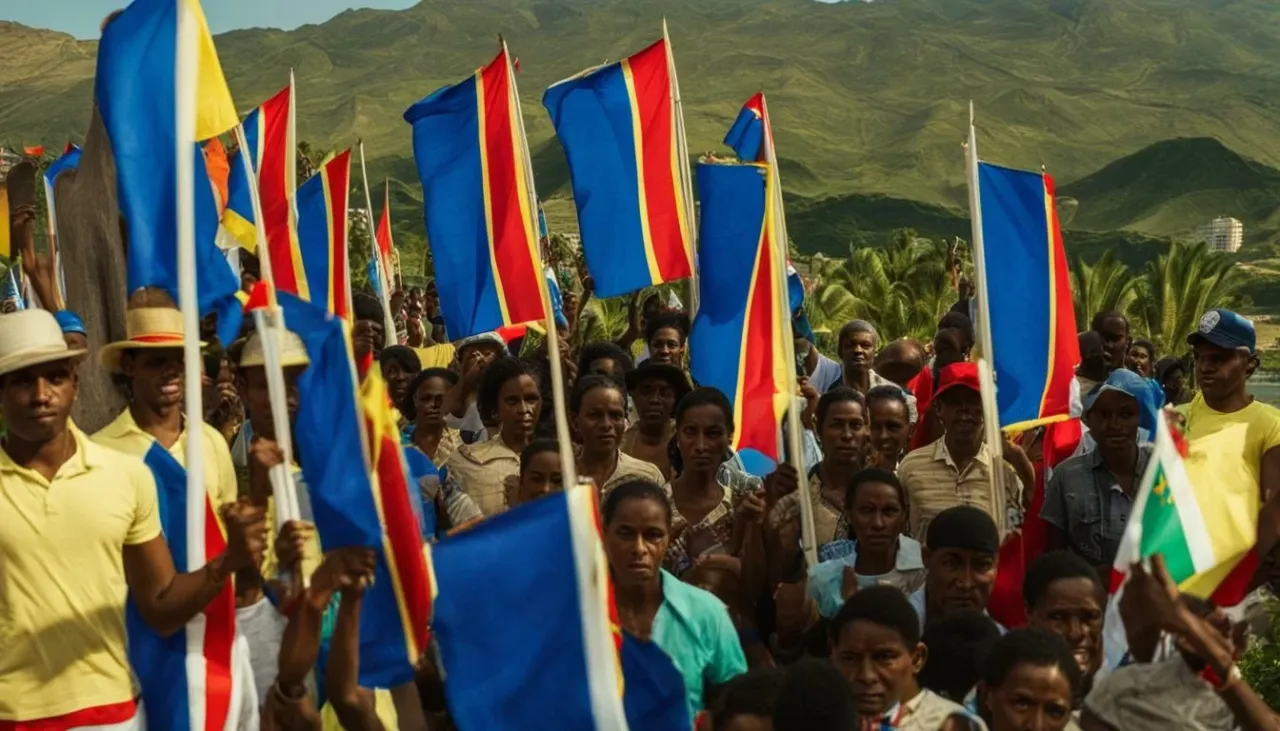
After gaining independence from Portugal in 1975, Cape Verde faced many challenges.
Limited facilities, lack of funding, and poor infrastructure slowed sporting progress. Yet football remained the heartbeat of local communities.
Children played on beaches, rocky fields, and narrow streets, nurturing dreams of one day representing their homeland.
The federation’s new vision
In the early 2000s, the Cape Verde Football Federation decided to rebuild from the ground up.
They focused on proper coaching, youth academies, and a structured domestic league.
This vision created a new generation of players ready to compete beyond their borders.
Step by step, the national team gained discipline and organization.
Power of the diaspora
Cape Verde’s large diaspora became a turning point in its football story. Many Cape Verdeans live in Portugal, the Netherlands, and France.
Their children grew up in professional football environments but kept strong ties to their homeland.
The federation reached out to these players, offering them a chance to represent their roots.
This connection brought both talent and pride to the national team.
European influence and Cape Verdean passion
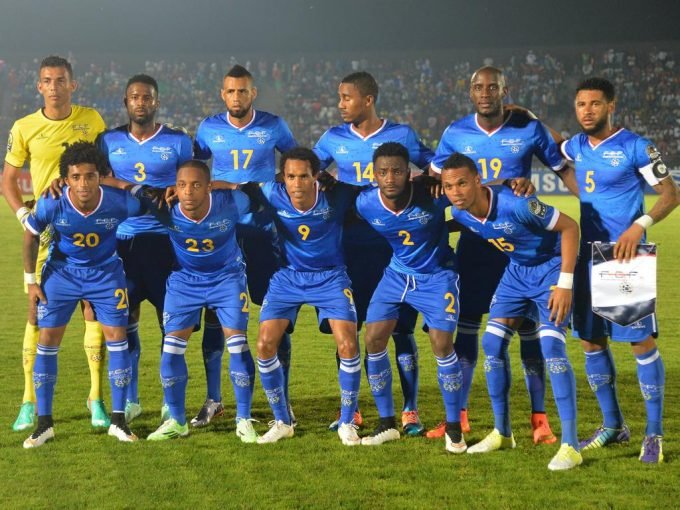
Players such as Ryan Mendes, Garry Rodrigues, and Júlio Tavares accepted the call.
They brought European experience, technical skills, and leadership qualities.
Combining these strengths with Cape Verdean passion created a perfect balance.
The result was a competitive team that played with confidence and identity.
Breakthrough at the 2013 Africa Cup of Nations
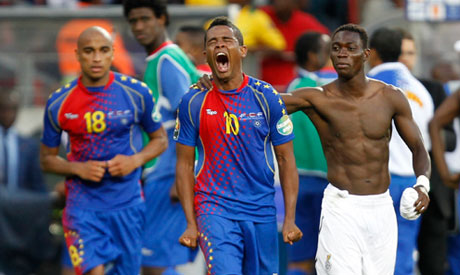
Cape Verde made their AFCON debut in 2013. Many expected them to struggle, but they stunned Africa by reaching the quarter-finals.
Their disciplined defending and quick transitions made them difficult opponents. Although they lost to Ghana, they earned immense respect across the continent.
That tournament marked the beginning of Cape Verde’s football awakening.
Continued growth in later tournaments
The Blue Sharks returned to AFCON in 2015 and 2021. These appearances confirmed that 2013 was not luck but progress.
Each tournament improved team chemistry, tactical understanding, and national belief.
Fans at home and abroad began to expect strong performances rather than surprises.
Bubista’s leadership and tactical evolution
Coach Bubista, a former national player, became the symbol of Cape Verde’s modern football.
His approach focused on physical strength, defensive structure, and fast transitions.
He emphasized teamwork over individual talent. Under his leadership, the team became mentally tougher and tactically smarter.
Historic qualification for the 2026 World Cup
The World Cup qualification campaign in 2025 showcased Cape Verde’s maturity.
They defeated major teams, displayed discipline, and maintained focus through pressure.
The decisive match against Eswatini united the islands in celebration. The moment the final whistle blew, Cape Verde confirmed its arrival on the world stage.
National celebration and unity
The win sparked joy across the country. Fans filled streets waving flags, singing, and dancing.
The government declared a half-day holiday in recognition of the achievement.
It was not just a sporting victory—it was a national symbol of unity and hope.
Blueprint for small nations
Cape Verde’s story carries lessons for other small African countries.
They proved that vision and planning can overcome limitations.
With proper leadership, player development, and diaspora engagement, even the smallest nations can compete globally.
Their rise demonstrates how discipline and belief create success.
Building for a sustainable future
The federation continues to invest in better pitches, training centers, and youth programs.
These projects aim to sustain success beyond the 2026 World Cup. Young players now have local heroes to look up to.
Cape Verde’s football future rests on preparation, not luck.
Inspiration for Africa and beyond
The Blue Sharks’ qualification inspires all of Africa. It reminds the continent that football is not ruled by size or reputation.
Cape Verde’s rise came from courage, unity, and planning. Every small nation with a dream can draw strength from their example.
The journey continues
Cape Verde now prepares for the 2026 World Cup in the United States, Canada, and Mexico.
The challenge will be greater, but their belief remains unshaken. The Blue Sharks carry not just their flag but the pride of every islander.
From beach games in Mindelo to global stadiums, Cape Verde’s football journey continues to inspire the world.