African football has always been rich in passion, talent, and drama.
From the packed stands of Cairo to the electrifying atmospheres in Accra, Lagos, Johannesburg, and Dar es Salaam, the sport holds a cultural power that transcends language and borders.
Yet beyond the spectacle on the pitch lies a multi-layered business ecosystem that is rapidly evolving.
Sponsorship deals, broadcasting contracts, club commercial strategies, and the rise of private investors are reshaping the continent’s football economy at a pace never seen before.
This evergreen deep-dive explores the forces driving money into African football, how clubs and leagues are rethinking their commercial models, and why global brands are increasingly looking to Africa as the next frontier of football business.
The Rise of African Football as a Commercial Product

African football is experiencing an unprecedented commercial awakening.
Previously undervalued by global markets, domestic leagues and continental competitions are beginning to attract interest from broadcasters, sponsors, and investors who see both cultural influence and economic potential.
Demographics That Drive Market Value
Africa’s football economy is fueled by one of the most powerful demographic forces in the world: youth.
With 70% of its population under the age of 30, Africa hosts the world’s youngest, fastest-growing audience for football.
This massive youth population consumes football differently from older generations, more digitally, more passionately, and through more diverse platforms.
For brands, this represents a marketing goldmine.
Furthermore, improved internet penetration, smartphone adoption, and social media usage have turned African football into a digital marketplace ripe for creative monetisation.
TikTok partnerships, club-owned content hubs, YouTube match highlights, and e-commerce fan stores are now emerging across the continent.
Sponsorships in African Football — A Rapidly Expanding Revenue Engine

Sponsorships sit at the heart of the African football economy. They supply essential income that supports club operations, competition organization, and infrastructure development.
Historically, sponsorship revenues were modest, but the last decade has seen exponential growth.
From Local Support to Global Brand Engagement
Earlier sponsorship landscapes were dominated by local companies, banking institutions, telecommunications firms, breweries, and energy providers.
Today, global brands are entering the scene. Adidas, Nike, Puma, Standard Chartered, TotalEnergies, BetKing, StarTimes, and even cryptocurrency platforms have injected new financial power into the African game(GBCghanaonline.com).
Why the shift? Because African football provides unrivalled visibility. AFCON, CAF Champions League, and local derbies attract millions of viewers. The brand exposure is enormous.
Telecommunications and Betting Companies Lead the Charge
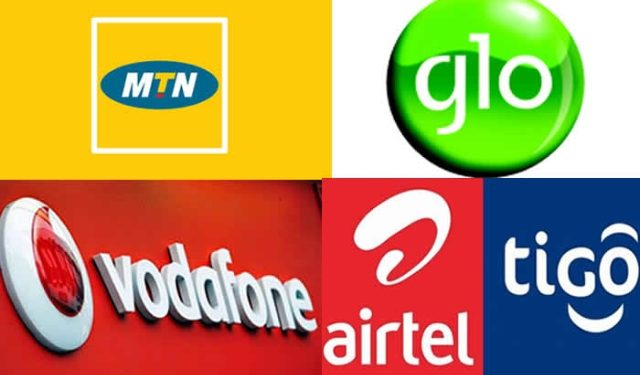
Two industries now dominate sponsorships across African leagues:Telecommunication giants such as MTN, Airtel, Orange, Safaricom, and Vodacom are using football to strengthen brand loyalty among young consumers.
Sports betting companies from BetPawa to SportyBet and Betika have become key commercial partners for clubs and leagues.
Betting firms target football because no other sport commands similar levels of engagement(theguardian.com).
In several countries, sponsorship competition among betting firms has driven partnership values to record highs.
CAF’s Long-Term Sponsorship Model
CAF has embraced long-term partnerships with global corporations. Its extended relationship with TotalEnergies, for example, covers major competitions like:
- Africa Cup of Nations
- CAF Champions League
- CAF Confederation Cup
- Various youth tournaments
This stability allows CAF to invest in branding, event planning, and broadcasting consistency, elevating the commercial identity of African football.
Television Rights — The Lifeblood of Football Revenue
Broadcasting rights are the most powerful revenue stream in global football, and Africa is no exception. While the continent’s TV rights market is still developing, major shifts are underway (africasoccer.com).
The Historical Challenge of Undervalued Broadcast Rights
For decades, African football suffered from:
- limited broadcast infrastructure
- weak negotiation positions
- fragmented markets
- inconsistent product quality
- piracy
This kept TV revenue artificially low, constraining club budgets and restricting league growth.
The New Era of Competitive Bidding
Today, broadcasting rights for African football are entering a competitive phase driven by:
- digital platforms
- international streaming services
- pay-TV companies expanding into sports
- fan demand for high-quality coverage
SuperSport, StarTimes, Canal+, and Amazon-affiliated digital platforms are now competing for African football content.
CAF’s media rights for AFCON have grown significantly, and in some cases, broadcast packages now span regions rather than individual nations—creating more unified commercial offerings.
Local Leagues Are Improving the Product
Football markets like South Africa, Egypt, Tanzania, and Morocco have invested heavily in:
- multi-camera match production
- HD broadcast capabilities
- branded studio analysis
- digital matchday coverage
These improvements make domestic leagues more commercially attractive, increasing the value of media rights and strengthening club sustainability.
The Growth of Private Investors in African Clubs
Private ownership and investment are transforming African football at club level. Historically, many clubs were:
- government-owned
- community-owned
- institution-backed (military, universities, police, or corporate teams)
This structure limited commercial ambition. But now, private investors—local entrepreneurs, diaspora investors, foreign football groups—are stepping in.
Why Investors Are Targeting African Clubs
Several forces make African football attractive to investors:
- low acquisition costs compared to Europe
- fast-growing fanbases
- talent pipelines capable of generating transfer income
- sponsorship growth
- opportunities in stadium development and merchandising
Some investors see African clubs as talent academies with commercial potential; others envision building entertainment brands powered by digital content and strong matchday experiences.
Multi-Club Ownership Is Expanding into Africa
European football groups adopting multi-club ownership models seen in organizations like Red Bull, City Football Group, and the 777 network—are exploring African markets because of:
- youth development opportunities
- regional market influence
- potential for feeder systems
Clubs in Ghana, Senegal, South Africa, Ivory Coast, and Nigeria are gaining interest from such groups.
Merchandising and Brand Building Across African Football
Merchandising is one of the fastest-growing revenue segments but remains underdeveloped in many regions. For years, counterfeit jerseys dominated the market because official merchandise was overpriced, unavailable, or poorly distributed (afrocritik.com).
The Shift to Official Kit Deals
African clubs are now securing formal kit partnerships with major brands. These deals typically include:
- annual financial payments
- performance bonuses
- equipment supplies
- collaborative marketing campaigns
Teams like Al Ahly, Kaizer Chiefs, Simba SC, Raja Casablanca, Zamalek, and Orlando Pirates have become merchandising powerhouses.
This movement is helping clubs transition from basic matchday-focused operations to 360-degree commercial enterprises.
E-commerce Platforms Enable New Revenue Streams
Online club stores are becoming essential tools for reaching domestic and international fans. The rise of digital payment platforms like M-Pesa, MTN Mobile Money, Flutterwave, and Paystack have made online transactions seamless for supporters across Africa.
Coupled with social media advertising, merchandising has become a major growth area. Particularly for clubs with diaspora fanbases willing to spend more than local consumers.
Stadiums, Fan Experience, and Matchday Money
Africa’s stadium infrastructure is a mix of modern arenas and aging facilities. Countries like South Africa, Egypt, Morocco, Algeria, and Senegal boast world-class stadiums, while others continue to rely on multi-purpose national venues(footballbenchmark).
Why Stadium Development Matters for Club Finances
In football economies worldwide, stadiums generate money through:
- ticket sales
- hospitality seats
- VIP lounges
- naming rights
- concession sales
- parking fees
African clubs often miss out on these revenue streams because they do not own their home stadiums. Ownership or long-term lease arrangements are essential for sustainable commercial models.
The Fan Experience Revolution
Clubs are gradually improving matchday experiences by introducing:
- fan zones
- pre-match entertainment
- integrated ticketing apps
- mobile payment solutions
- branded merchandise booths
- food and drink vendors
These enhancements turn matches into full entertainment events, increasing club revenue and fan loyalty.
Rise of Digital and Social Media Monetisation
Digitisation is perhaps the most disruptive force in African football’s business landscape. Clubs, players, leagues, and media outlets are making money through:
- YouTube content monetisation
- sponsored social media posts
- TikTok brand partnerships
- Instagram Live fan interactions
- digital membership programs
- subscription-based streaming platforms
Content Creation Has Become a Core Strategy
Fans now expect:
- behind-the-scenes footage
- locker-room atmosphere
- player interviews
- tactical breakdowns
- training videos
- short-form entertainment skits
Content is currency. Clubs that master digital storytelling attract sponsors and unlock new revenue streams.
Women’s Football — The Next Big Commercial Frontier
Women’s football is undergoing rapid commercialisation in Africa. The CAF Women’s Champions League and the soaring popularity of national teams are pushing brands to invest more in the women’s game.
Sponsorship Momentum Is Building
Telecommunications, airlines, and banks are sponsoring women’s teams because:
- the sport aligns with gender equality campaigns
- women’s competitions have growing TV audiences
- the market is less saturated, making branding cheaper and more visible
Player Narratives Drive Engagement
Stories of rising stars—like Asisat Oshoala, Tabitha Chawinga, Barbra Banda, and Thembi Kgatlana—boost global interest in African women’s football.
Their success in Europe and America strengthens the continent’s commercial footprint.
Challenges Holding Back the Commercial Growth of African Football
Although progress is evident, African football still faces compelling business challenges.
Piracy and Illegal Streaming
Illegal streams of domestic and continental matches significantly undermine broadcasting revenues. Broadcasters hesitate to invest in TV rights if audiences can access matches for free.
Governance and Transparency Issues
Financial mismanagement, administrative conflicts, and inconsistent governance discourage potential sponsors and investors. Modern football operates like a corporate business, requiring expertise and transparency at every level.
Infrastructure Gaps
Many clubs still train on poor pitches, lack modern stadiums, and operate with minimal digital or commercial infrastructure. Without improvements, sponsorship appeal remains limited.
Currency Instability
Fluctuating exchange rates create budgeting instability for clubs operating with small margins. Some sponsors hesitate to agree long-term contracts in unstable currency environments.
Transfer Market Dynamics — Africa’s Export Power
African football’s most consistent economic engine is player transfers. Europe, Asia, and the Middle East depend on African talent, creating a steady flow of transfer revenue into clubs and academies (gale.com).
The Academy Model
Youth academies operate as important business units. Successful academies can generate millions by developing and exporting talent. Examples include:
- Right to Dream Academy (Ghana)
- Diambars (Senegal)
- ASEC Mimosas Academy (Ivory Coast)
- Wadi Degla (Egypt)
These academies attract international investors who seek to tap into Africa’s talent pipeline.
Challenges in Maximising Transfer Revenue
African clubs typically receive less than their counterparts in Europe or South America due to:
- weak contract management
- lack of sell-on clauses
- inadequate legal representation
- early exploitation by foreign intermediaries
Better contract structures could vastly increase revenue across African clubs.
Football Governance and Commercial Strategy — Modernising for Profitability
Modern football requires modern business models. Many African clubs are now creating executive positions such as:
- Chief Executive Officer
- Commercial Director
- Digital Media Manager
- Fan Engagement Manager
- Sponsorship Executive
Professionalisation Is Key
To fully unlock financial potential, African football must:
- standardise league calendars
- enforce club licensing systems
- improve digital presence
- ensure financial transparency
- enhance matchday safety and organisation
Countries making progress in these areas are enjoying rapid commercial growth.
Case Studies — Successful Commercial Models in African Football
South Africa’s Premier Soccer League (PSL)
The PSL is one of Africa’s most commercially successful leagues thanks to:
- strong broadcasting partnerships
- corporate-backed clubs
- modern stadiums
- high match production standards
- effective marketing strategies
Broadcast revenue is central to its financial structure, enabling the PSL to offer competitive prize money and player salaries.
Egypt’s Al Ahly — The Benchmark African Brand
Al Ahly has built a continental superbrand through:
- massive fanbase
- consistent success
- major sponsorship deals
- digital dominance
- professional administration
Its commercial partnerships with telecom companies, beverage brands, and global kit suppliers set the standard for African club marketing.
Tanzania’s Simba SC and Young Africans (Yanga)
Both clubs have become East African commercial giants thanks to:
- aggressive digital marketing
- strong private investment
- fan membership schemes
- packed stadiums
- international pre-season tours
Their growth has turned the Tanzanian Premier League into a regional entertainment product.
The Future of African Football Business — Trends to Watch
The next decade promises transformative growth across multiple areas.
Digital Broadcasting Will Overtake Traditional TV
More leagues will adopt their own streaming platforms, offering:
- subscription models
- pay-per-view matches
- behind-the-scenes documentaries
Club-Owned Stadiums Will Become More Common
Private-public partnerships and foreign investment will fuel stadium projects, enabling clubs to monetise matchdays more effectively.
Women’s Football Will Attract More Sponsors
Brands will continue tapping into its growing audience, leading to higher wages, better facilities, and expanded competitions.
Multi-Club Ownership Will Integrate African Talent Pipelines
Global football groups will likely invest more in African academies and clubs to secure long-term talent supply.
NFTs, Web3 and Fan Tokens Will Find Their Place
Digital assets, if regulated and responsibly introduced, could create new revenue streams for clubs through:
- virtual collectibles
- digital memberships
- metaverse match experiences
Conclusion
The business of African football is undergoing a revolution built on sponsorship growth, rising TV rights, digital transformation, and the commercialisation of fan culture.
Challenges remain—governance, infrastructure, and financial transparency—but the continent’s football industry is moving steadily toward a more organised, profitable, and globally integrated future.
Africa is no longer just a supplier of elite football talent; it is becoming a thriving football marketplace, attracting global brands, investors, broadcasters, and millions of fans.
With continued professionalisation and digital innovation, the business side of African football is poised to reach unprecedented heights.