Nigeria vs Zambia, 1994 AFCON Final: Triumph and Tragedy in the Shadow of Disaster
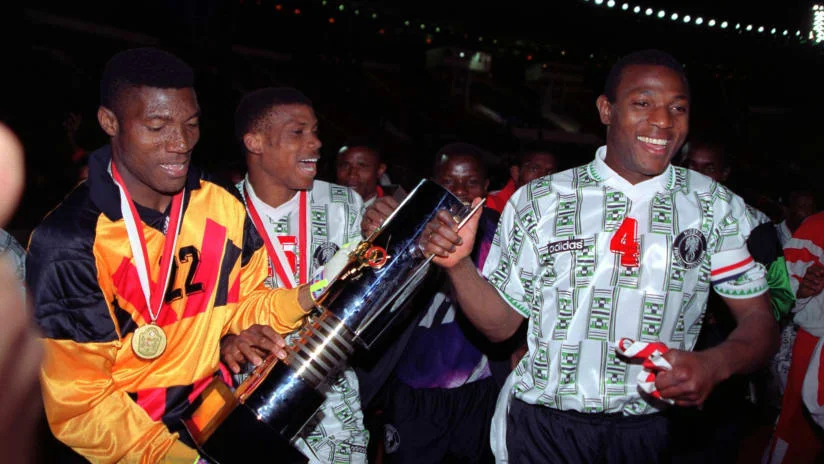
In the heart of Tunis on April 10, 1994, two African nations stood on opposite ends of an emotional spectrum.
One was chasing a long-awaited glory, the other was carrying the weight of memory and loss.
When Nigeria and Zambia met in the final of the Africa Cup of Nations, it was far more than a football match but rather a story of triumph and tragedy intertwined in the shadow of disaster.
Just a year earlier, Zambia had faced one of the darkest moments in African sports history.
On April 27, 1993, the nation’s military aircraft carrying its national football team crashed off the coast of Gabon.
Eighteen players, alongside coaches and officials, lost their lives on their way to a World Cup qualifier.
The tragedy tore at the heart of a nation that adored its football team, a side that had once humbled Italy at the 1988 Olympics and looked destined for greatness.
The crash left Zambia mourning not only its heroes but also its identity.

Yet, from that painful loss came one of the most remarkable stories of resilience in African football.
Within months, Zambia began rebuilding player by player.
Led by the nation’s spirit, a new generation emerged captained by the talismanic Kalusha Bwalya. Driven by purpose and each match they played carried the memory of the fallen.
Each goal was a tribute, and every step on the pitch was a declaration that Zambia would not be defined by tragedy alone.
As the 1994 AFCON tournament in Tunisia unfolded, Zambia’s run to the final became the emotional heartbeat of the competition.
They played with freedom, courage, and a deep sense of destiny.
The continent rallied behind them and all odds, the Chipolopolo reached the final, a year after losing almost an entire team.
Their opponents were Nigeria’s “Golden Generation,” a squad brimming with talent and confidence, led by stars like Rashidi Yekini, Emmanuel Amuneke, Jay-Jay Okocha, Sunday Oliseh, Daniel Amokachi, Finidi George, Stephen Keshi among others who would soon make waves on the global stage.
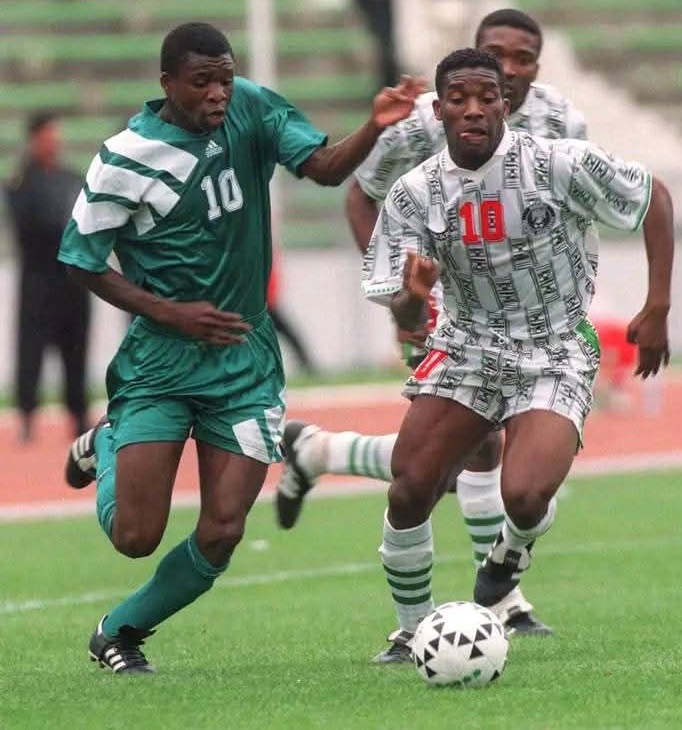
The final itself was tense and emotional. Zambia took the lead, but Nigeria’s quality eventually prevailed, winning 2–1.
The Super Eagles celebrated their first continental title, and deservedly so. To the Zambians, even in defeat, they had achieved something greater than victory.
They had turned grief into glory, sorrow into strength, and despair into inspiration. The team’s resilience reminded the world that football could heal even the deepest wounds.
For Zambia, the 1994 final was not the end of a story but the beginning of a legacy.
The spirit of that team lived on through every Chipolopolo squad that followed. Eighteen years later, in 2012, destiny brought Zambia back to Gabon – the site of the 1993 crash – for another Africa Cup of Nations final.
This time, they lifted the trophy, completing a journey that had begun in pain and ended in redemption.
It was a victory for every soul lost in 1993 and every fan who had carried their memory.
The 1994 Nigeria–Zambia final remains one of the most powerful chapters in African football and a reminder that the game is not only about winning trophies but about courage, unity, and the ability to rise after devastation.