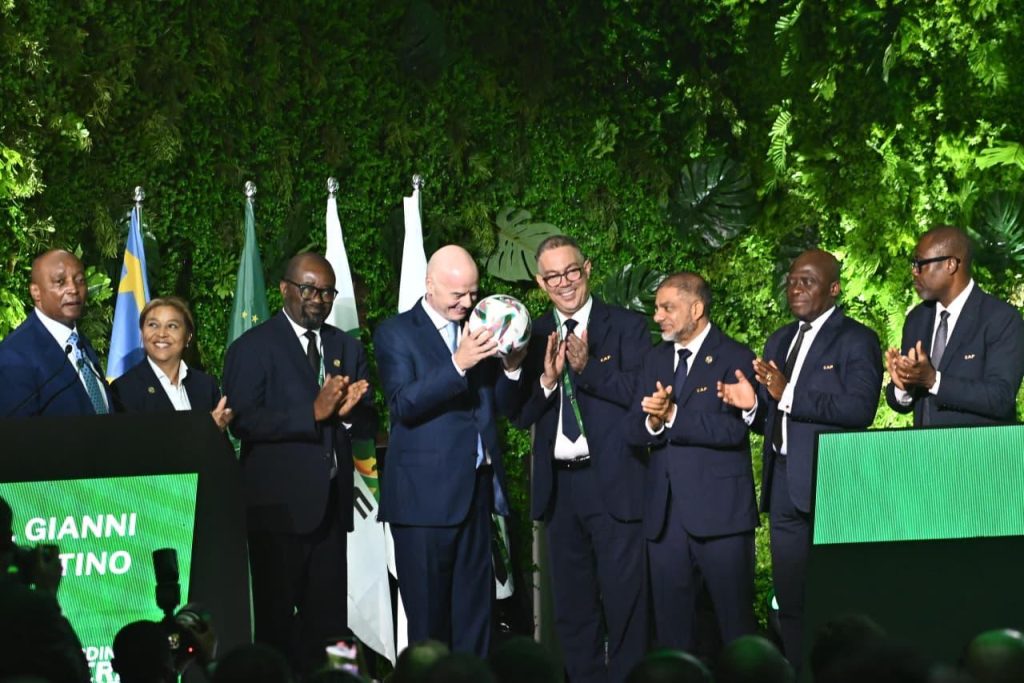
African football’s rise on the global stage is the product of many forces working together.
Behind every celebrated tournament, every iconic stadium, and every young star emerging from the continent lies a complex ecosystem.
At the heart of this system sit three crucial pillars: national governments, CAF, and FIFA.
Their decisions, investments, policies, and collaborations have shaped the game’s evolution for more than half a century.
This comprehensive evergreen article examines how each institution contributes—sometimes cooperatively, sometimes in tension—to the progress of African football.
From infrastructure and youth development to governance and global influence, their roles have defined the present and continue to shape the future.
Government Influence: The Foundation of National Football Growth
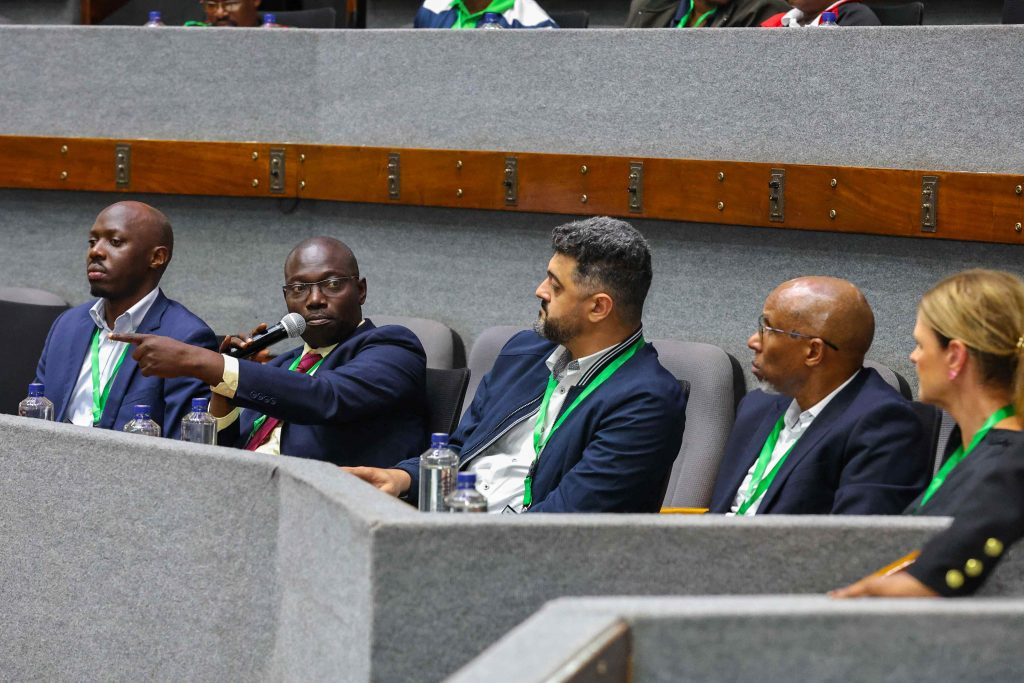
Governments are the single most influential actors in African football development.
While football associations officially manage the sport, it is governments that create the enabling environment through policy, funding, and infrastructure.
National Sports Policies That Shape Football Futures
Government sports policies determine how football is organised from grassroots to elite level. These policies influence:
- Youth football accessibility
- Talent identification programmes
- Funding structures for national teams
- National football leagues’ operational environment
- Labour and taxation laws impacting clubs
Some countries maintain centralised approaches, while others allow football associations more autonomy.
The balance between state involvement and federation independence has a profound effect on stability and performance.
Infrastructure: Stadiums, Training Centres, and Legacy Projects
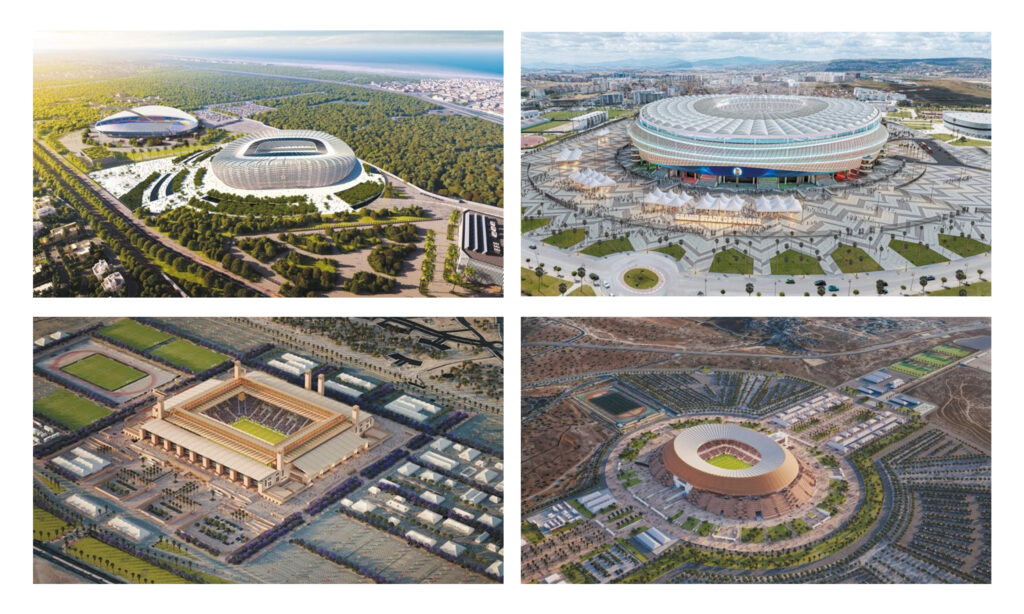
Across Africa, governments provide the bulk of physical infrastructure. This includes:
- National stadiums
- Regional football grounds
- Training complexes
- Sports academies
- School football facilities
Many iconic venues that host AFCON tournaments—from Cairo International Stadium to FNB Stadium in Johannesburg—were built or upgraded through government initiatives.
Without state investment, professional leagues and international tournaments would struggle to exist.
Government Funding for National Teams
National teams rely heavily on government budgets for:
- Travel and accommodation
- Coaching staff salaries
- Bonus structures
- Tournament preparation camps
- Medical and performance support
In some countries, football associations lack the financial capacity to independently sustain national team programs.
Government support becomes the difference between competitive participation and stagnation.
Youth Development Through Education and Community Football
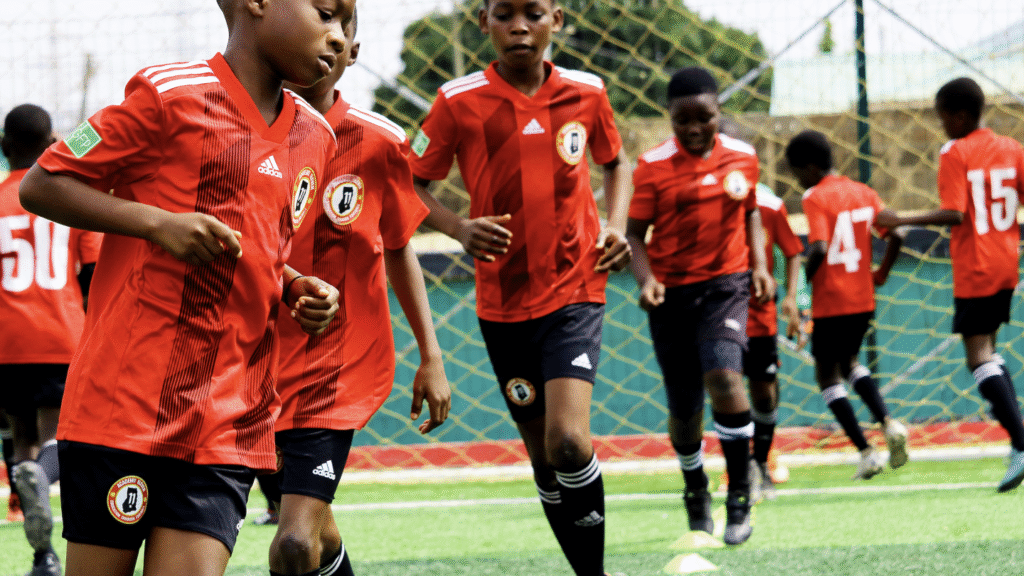
Governments influence youth football through:
- School sports policies
- Community sports centres
- Inter-school competitions
- Scholarships and talent pathways
Countries like Senegal and Ghana have benefited from policies linking education with early football development.
In contrast, nations lacking strong school-based sport programmes often see gaps in grassroots development.
Diplomacy and Football
Football has become a tool of soft power. Hosting AFCON, bidding for World Cup spots, and building international partnerships all involve government diplomacy.
African nations use football to improve global visibility, strengthen regional influence, and catalyse tourism.
CAF’s Continental Role: Standards, Competitions, Governance, and Growth
Founded in 1957, the Confederation of African Football is the continent’s governing body and a major driver of progress. Its influence spans competitions, regulations, development, and international positioning.
Managing the Continent’s Major Competitions
CAF organises:
- The Africa Cup of Nations (AFCON)
- African Nations Championship (CHAN)
- CAF Champions League
- CAF Confederation Cup
- CAF Women’s Champions League
- Youth and age-group tournaments
These competitions provide exposure, revenue, and pathways for talent.
Club Licensing and Governance Reform
CAF enforces club licensing rules that:
- Professionalise club operations
- Require financial transparency
- Improve stadium and training facilities
- Protect player welfare
- Raise administrative standards
These reforms aim to reduce mismanagement, a chronic issue in African football.
Technical Development and Coaching Education
CAF’s technical programmes support:
- Coaching certification
- Referee development
- Football science and medical education
- Grassroots coaching structures
These initiatives help elevate technical standards across the continent.
Financial Support and Resource Allocation
CAF distributes funds to its 54 member associations. These funds assist with:
- Administrative operations
- Development programmes
- Competition preparation
While financial disparities across nations remain a challenge, CAF’s support is a core component of football development.
Strengthening Women’s Football
In recent years, CAF has accelerated programmes to grow women’s football by:
- Launching the CAF Women’s Champions League
- Expanding the Women’s AFCON
- Supporting federations in women’s grassroots development
Women’s football is now one of the fastest-growing sectors within the CAF ecosystem.
H3: Integrity, Ethics, and Compliance
CAF’s governance reforms aim to improve transparency and accountability. New committees oversee:
- Match integrity
- Anti-corruption measures
- Financial audits
- Disciplinary actions
These efforts, influenced by global governance trends, are essential for long-term credibility.
FIFA’s Global Influence: Funding, Regulation, and Worldwide Integration
FIFA’s presence in Africa extends far beyond the World Cup. Its policies, investments, and regulatory frameworks deeply impact the continent’s football landscape.
FIFA Forward Funding: A Game-Changer
Through the FIFA Forward Programme, African nations receive substantial financial support for:
- Building stadiums
- Constructing technical centres
- Setting up youth academies
- Running national leagues
- Supporting federation administration
Many African national headquarters and technical centres exist because of FIFA funding.
Global Governance and Compliance Rules
FIFA enforces rules to ensure:
- Transparency in national football associations
- Fair elections
- Anti-corruption measures
- Financial accountability
- Safe-guarding policies
These frameworks have pushed African football associations toward better governance.
Youth Tournaments and Global Competitions
FIFA provides Africans with global exposure through:
- U17 World Cup
- U20 World Cup
- Women’s World Cup
- Club World Cup
These tournaments accelerate player development and increase international visibility.
Regulations on Transfers and Player Welfare
FIFA regulates:
- International transfers
- Training compensation
- Player contracts
- Anti-doping programmes
- Medical standards
Given the high migration of African players to Europe and Asia, FIFA’s role in protecting player rights is essential.
Referee and Coaching Development
FIFA supports technical development by:
- Funding referee technology (VAR)
- Running elite referee courses
- Supporting national coaching programs
These programmes help African football maintain parity with global trends.
The Interconnected Ecosystem: Cooperation, Conflict, and Shared Progress
Football development in Africa is not a simple hierarchy—it is an interconnected system.
Cooperation for Growth
When governments, CAF, and FIFA collaborate effectively, the results are transformational. Examples include:
- Joint infrastructure projects
- Shared governance reforms
- Co-funded development programmes
- Coordinated tournament hosting
Successful nations often demonstrate alignment across these three pillars.
Challenges: Politics, Governance, and Conflicting Interests
Progress is sometimes hindered by:
- Political interference in football associations
- Governance disputes
- Conflicts over funding
- Inconsistent policy implementation
At times, FIFA intervenes when governments threaten football independence. Meanwhile, CAF must navigate political pressures within member associations.
The Road Ahead: Strengthening African Football’s Future
The future of African football depends on stronger cooperation between its three main stakeholders.
Priorities for Governments
- Expand grassroots sports in schools
- Build modern multi-use stadiums
- Invest in national leagues
- Support women’s football
- Increase accountability for sports funds
Priorities for CAF
- Further professionalise club football
- Enhance media rights and broadcasting revenue
- Improve competition scheduling
- Strengthen refereeing standards
- Grow the women’s game
Priorities for FIFA
- Increase investment through FIFA Forward
- Provide more global pathways for young African players
- Strengthen governance in member associations
- Expand access to technology and sports science
Conclusion – A Shared Responsibility That Shapes African Football’s Destiny
African football’s success is not the product of any single institution.
It is the result of a collective effort—governments providing infrastructure and policy foundations, CAF delivering continental organisation and standards, and FIFA offering global integration, funding, and regulation.
When these pillars work together, African football thrives. When they work against each other, progress stalls.
The future of the game on the continent will be defined by the strength of this partnership—and by the commitment of each institution to transparency, development, and long-term vision.
The next generation of African players, coaches, referees, and fans will rise on the shoulders of these three forces, shaping a footballing future worthy of Africa’s immense potential.