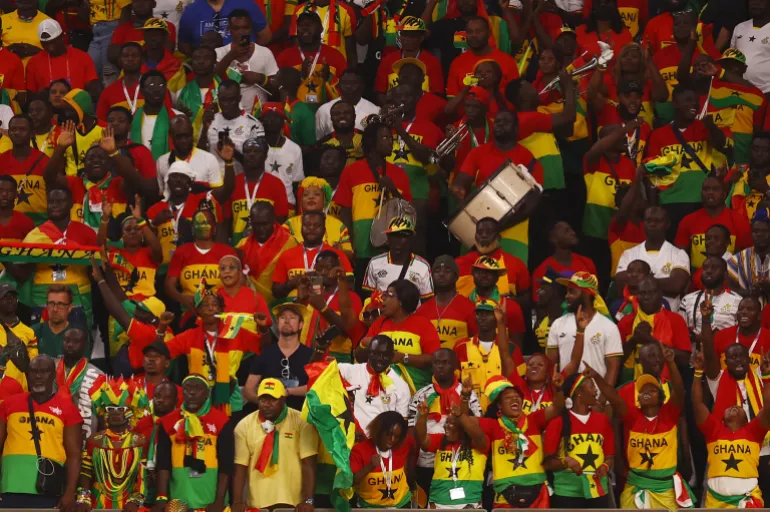
Music and football form one of Africa’s most powerful cultural partnerships.
Across the continent, rhythm and sport unite millions under one heartbeat.
From village drums to global stadiums, African fans celebrate the game through sound, dance, and emotion.
That deep connection defines the atmosphere, identity, and energy of African football.
The Drumbeat of Tradition

African football began with sound rooted in tradition.
Drums, rattles, and hand claps marked celebrations long before modern stadiums.
In Ghana and Nigeria, djembe and talking drums lead fan parades before matches.
These instruments signal unity and build anticipation across communities.
In southern Africa, rhythmic percussion dominates pre-match gatherings and fan zones.
The beat never stops — it connects fans, players, and generations.
The Global Voice of the Vuvuzela
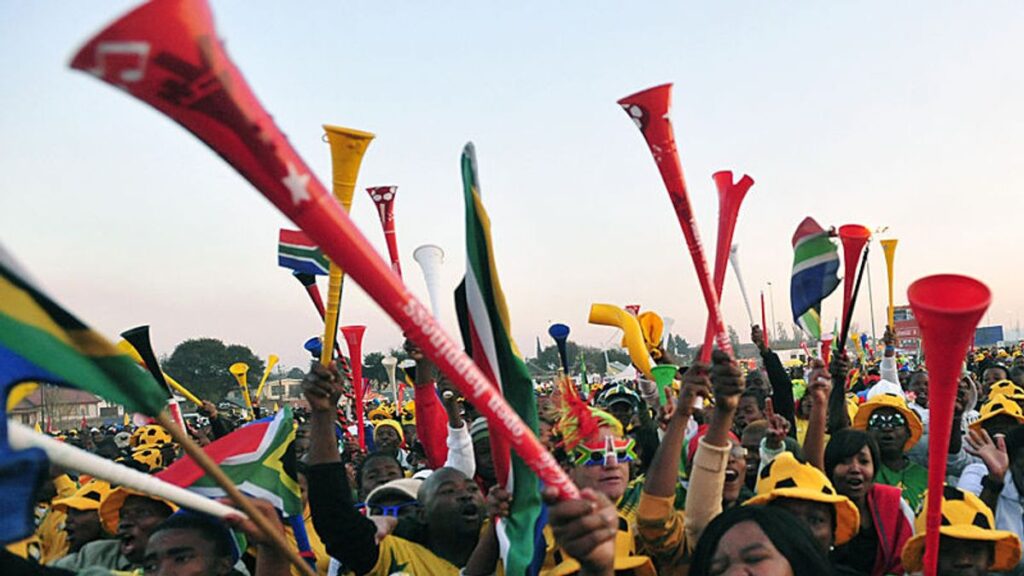
The 2010 World Cup in South Africa introduced the vuvuzela to the world.
Fans blew the horn in harmony, creating a continuous buzzing rhythm.
Though critics called it noisy, the vuvuzela symbolized African pride and fan passion.
It transformed the tournament’s atmosphere and highlighted Africa’s cultural uniqueness.
The sound remains part of global football memory today.
Popular Music and Stadium Culture
Modern African football thrives on popular music genres.
Afrobeats, Amapiano, and highlife dominate pre-match playlists across major cities.
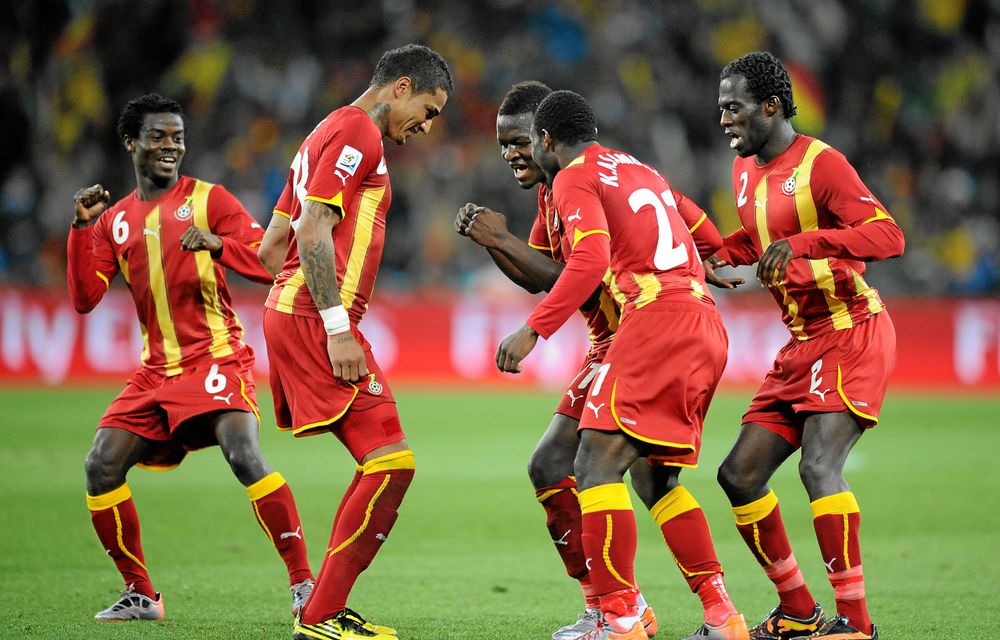
Fans in Ghana dance Azonto during goal celebrations, blending rhythm and movement.
In Senegal, mbalax percussion drives chants and victory songs.
North African supporters mix Rai, Chaabi, and Arabic melodies for team anthems.
Music binds local identity to football, giving every region a unique sonic fingerprint.
Artists and Clubs in Collaboration
African artists and football clubs now work closely together.
Musicians compose official anthems, halftime performances, and theme songs for CAF tournaments.
In South Africa, Freshlyground performed alongside Shakira during the 2010 World Cup.
In Nigeria, Afrobeats stars often dedicate songs to Super Eagles victories.
These collaborations boost fan engagement, tourism, and the entertainment industry.
Choreography, Ultras, and Visual Culture
African ultras mix music with dance and visual art.
Their coordinated tifos, smoke, and chants synchronize perfectly with drumbeats.
Fans at Raja Casablanca, Al Ahly, and TP Mazembe create electrifying rhythms during matches.
The choreography captures global attention and strengthens club identity.
It turns stadiums into theatres of African cultural pride.
Music as Social and Political Expression
Football and music often voice community struggles and hopes.
In Egypt, ultras used songs to express unity during the 2011 revolution.
Across Africa, fans adapt protest songs into football chants.
These acts merge civic spirit with sporting passion.
Music inside stadiums can carry political messages and national pride simultaneously.
Motivation and Team Spirit
Teams use music to build focus and energy before matches.
Coaches play upbeat tracks during warm-ups to raise morale.
Players often choose traditional or local songs to strengthen team unity.
Music keeps dressing rooms alive and reinforces emotional connection to home.
Economic and Media Influence
Music and football together create a growing creative economy.
Local DJs, dancers, and vendors benefit during tournaments and match days.
Television networks and streaming platforms feature fan chants in broadcasts.
Social media spreads African stadium music globally, inspiring remixes and documentaries.
This cultural export strengthens Africa’s soft power through football.
Preserving Authenticity
As football globalizes, Africa must protect its musical identity.
Imported pop songs risk replacing traditional rhythms and fan originality.
Federations should promote homegrown music in official events.
Training young musicians and cultural groups will sustain authentic football soundscapes.
Preserving originality ensures future generations inherit a true African football spirit.
Conclusion
Music and football move Africa together — in rhythm, voice, and purpose.
Songs echo in stadiums, villages, and hearts across the continent.
They tell stories of pride, struggle, and unity.
Football gives music global exposure, and music gives football soul.
Together they embody the energy that defines African identity.