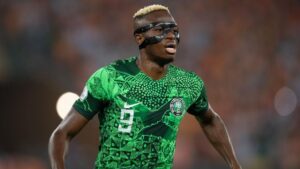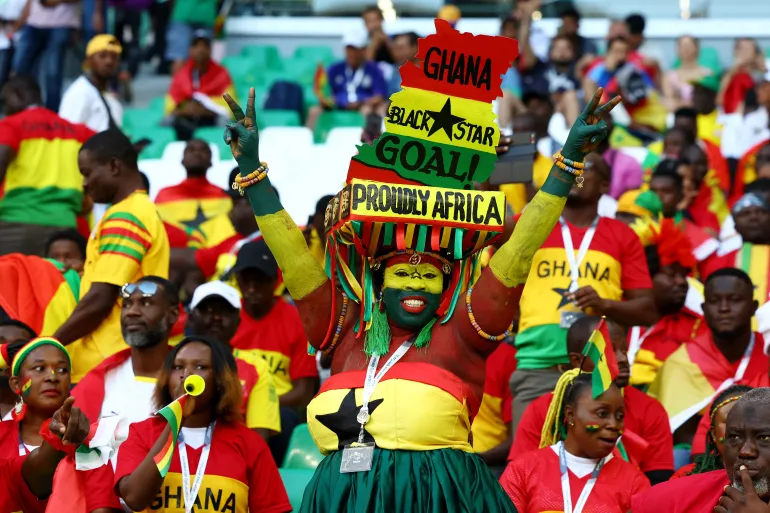
Fans shape football’s meaning across Africa.
Supporter groups create identity, pressure, income, and social outreach for clubs and communities.
Ultras transform stadiums into sites of ritual, protest, and spectacle.
Signature ultras and their choreography
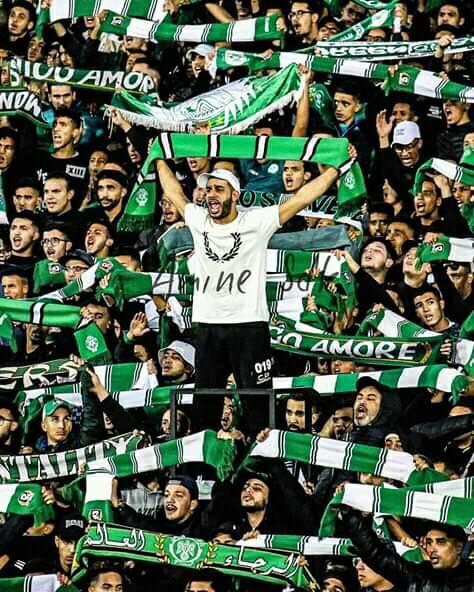
Raja Casablanca’s Green Boys stage elaborate tifos and choreographies that define Moroccan fan culture.
Their displays draw global attention and shape club identity at Mohamed V Stadium.
Other North African clubs also use coordinated banners, songs, and pyrotechnics to create match-day theatre.
Ultras as social movements and civic actors
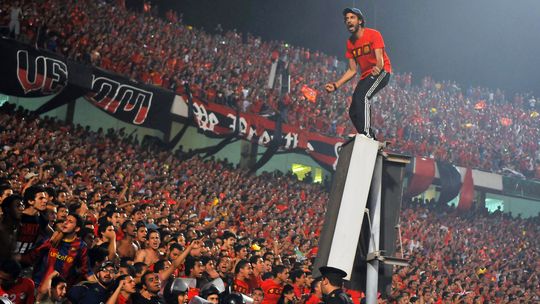
Some ultras extend activity beyond chants to social campaigns and protests.
Al Ahly’s Ultras Ahlawy played visible roles during Egypt’s 2011 uprisings, linking stadium activism to national politics.
Moroccan groups launched campaigns for women’s safety in stadiums and community projects.
Sound and identity — the vuvuzela effect
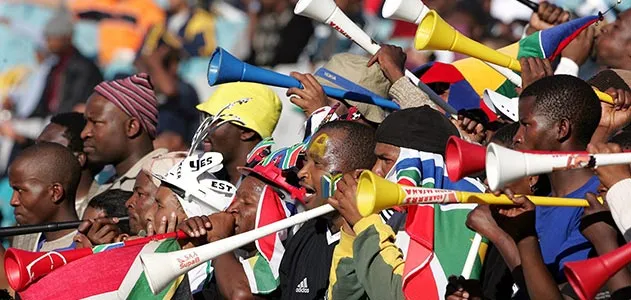
South Africa’s vuvuzela created a loud, shared sonic identity at the 2010 World Cup.
Scholars documented its cultural meaning and global controversy during the tournament.
That horn showed how a single fan instrument can alter global perceptions of African fandom.
Match influence — atmosphere, referees, and psychology
Large, vocal crowds raise home players’ energy and unsettle visiting teams.
Coaches plan match tactics to exploit friendly atmospheres and shield players in hostile grounds.
Referees feel pressure in intense atmospheres, sometimes affecting tight decisions.
Grassroots support — finance, charity, and logistics
Ultras fund tifos, support travel, and sell fan-made merchandise at local markets.
Supporter groups often run charity drives, memorial events, and youth coaching clinics.
Their informal funding networks supply crucial financial and social service gaps for clubs.
When fan power turns dangerous — Port Said and lessons learned
The Port Said disaster in 2012 killed dozens and exposed security breakdowns in Egyptian football.
Authorities blamed inadequate policing and poor matchday control for the tragedy.
Port Said led to league suspensions, policy reviews, and urgent stadium-security reforms.
Governing responses — CAF rules and safety standards
CAF now issues stadium safety and security regulations to guide member associations.
Those rules cover matchday monitoring, stewarding, and emergency preparedness.
Federations increasingly run safe-stadium workshops and coordinate with fan leaders to reduce risk.
Politics and protest — balancing rights and order
Ultras sometimes use matches to air political grievances or social demands.
Clubs and governments face the challenge of protecting free expression while preventing escalation.
Dialogue between clubs, police, and fan groups works better than heavy-handed bans.
Digital organising and diaspora networks
Fans coordinate choreography, tickets, and travel through WhatsApp, Telegram, and social platforms.
Digital organising keeps diasporic supporters engaged across borders and time zones.
Clubs use these channels to manage crises, sell campaigns, and amplify fan stories.
Practical steps to nurture safe, creative fan culture
Clubs should fund steward training, safety workshops, and accessible fan zones.
Federations must upgrade stadium infrastructure and consistently apply CAF safety rules.
Ultras should formalise anti-violence pledges and partner on community outreach.
Media and sponsors should reward positive fan projects, not only dramatic displays.
Conclusion — fan culture as an African asset
Ultras create the colour, noise, and rituals that make African football unique.
When stakeholders collaborate, fan passion stays creative, civic, and safe.
That balance keeps stadiums vibrant and secures football’s social promise across the continent.