The Potential for 11 Premier League Teams in Europe
Introduction
The prospect of eleven teams from the Premier League qualifying for European competition may seem far-fetched, yet it is a possibility this season. The intricate process of qualification has evolved in recent years, particularly due to the introduction of the European Performance Spots (EPS).
Understanding the European Qualification Process
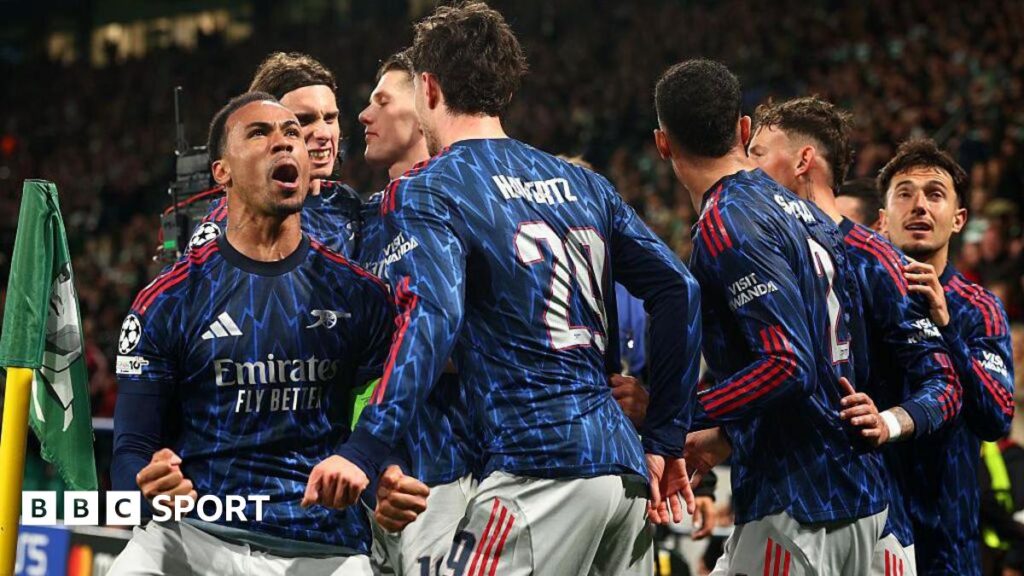
Qualification for European tournaments has turned increasingly complex. The EPS allows additional slots in the UEFA Champions League for the leagues that perform exceptionally well each season. The Premier League has already secured a spot for the 2026-27 Champions League owing to Arsenal’s recent victory over Sporting.
Current Standings and European Places
Currently, the Premier League could have a minimum of eight teams participating in European competitions next season. But what does this mean if an English club secures a continental title?
Breakdown of the European Slots
The EPS system functions on a straightforward premise. It offers an additional place after considering all domestic and European cup winners. Consequently, while England was initially slated for seven European spots, the EPS ensures at least eight places will be available.
Here’s how the qualifications look:
- Fifth place qualifies for the Champions League.
- Sixth place earns a Europa League spot.
- Seventh place goes to the Conference League.
The competition for fifth place is currently fierce, with Liverpool holding the position with 49 points. A mere seven points separate Liverpool from Bournemouth, making the race tight with Chelsea, Brentford, and others close behind.
Implications of Liverpool Winning the Champions League
Should Liverpool clinch the Champions League title but remain outside the top four, there would still be a chance for six Premier League teams to compete in the Champions League. The spot for the reigning champions will be allocated to the domestic league winner with the superior UEFA coefficient.
The Shift in Slots Explained
If Liverpool finishes outside the top four, the Premier League’s allocation changes as follows:
- Top Four teams qualify.
- Liverpool as previous holders still retains a qualifying position.
- The EPS allocation changes the number of teams in other competitions.
The outcome for Liverpool’s final league position will directly affect how many European spots the league maintains.
Scenarios for Aston Villa and Nottingham Forest
If Aston Villa captures the Europa League, depending on their league finish, they might not impact existing spots significantly. However, should Nottingham Forest win the same tournament, it would ensure additional Champions League participation, elevating the total count to at least nine English teams in Europe.
How Eleven Teams Can Qualify
For eleven teams from the Premier League to qualify, a combination of circumstances must unfold, including English sides winning all three European events while finishing outside the traditional qualifying spots—specifically outside the top six, or seven if Manchester City wins the FA Cup.
Envision scenarios could have Liverpool, Nottingham Forest, and Crystal Palace winning titles without domestically qualifying, which could create the environment for eleven teams in Europe.
The Role of the FA Cup in Qualification
The outcome of the FA Cup will further influence the landscape of European qualifications. Depending on which team wins, the league placements and European allocations may shift.
- If Manchester City prevails, this drops standings further down.
- If Chelsea triumphs, they must secure a top-seven finish to affect the Conference League spots.
The battle for positions among teams is becoming increasingly competitive, suggesting an exciting finish to the season.
Conclusion
The evolving dynamics of Premier League and European qualifications reflect the competitive nature of modern football. As various teams strive for continental glory, the potential for an unprecedented number of English clubs in Europe becomes a reality. Stay tuned for what promises to be a riveting conclusion to the season!