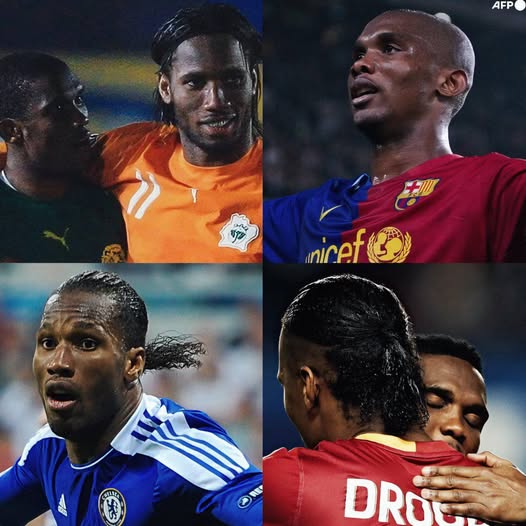
Africa produced many captains whose leadership inspired nations and transformed football.
These men led with courage, discipline, and integrity, creating examples future generations still follow.
Didier Drogba – The Peacemaker of Ivory Coast
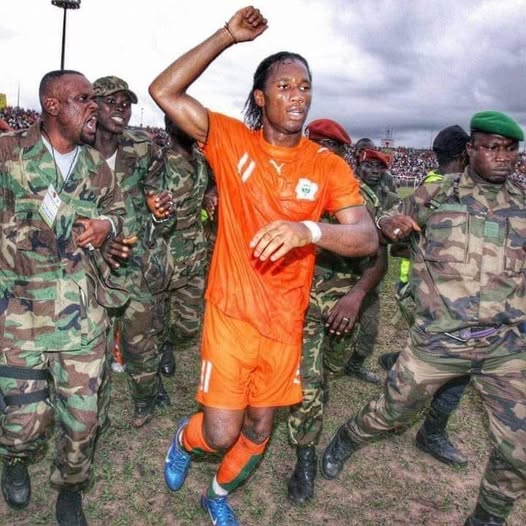
Didier Drogba led Ivory Coast with unmatched passion.
He guided the Elephants to their first World Cup in 2006.
After qualification, he urged peace in his war-torn country.
His emotional plea helped stop conflict and unite Ivorians.
Through the Didier Drogba Foundation, he funds hospitals and schools.
Drogba proved a captain can lead both on and off the pitch.
Rigobert Song – The Indestructible Lion
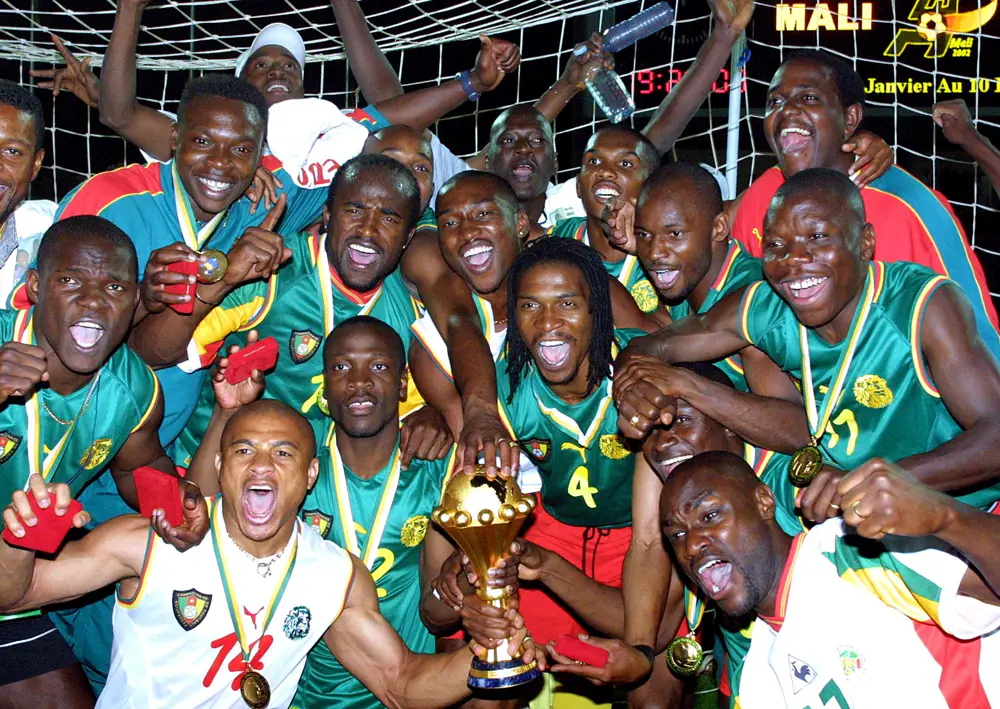
Rigobert Song captained Cameroon through eight AFCON tournaments.
He lifted two continental titles in 2000 and 2002.
Song earned 137 caps, showing resilience and loyalty for decades.
He later became Cameroon’s national team coach, mentoring younger players.
His legacy shows leadership built through consistency and courage.
Kalusha Bwalya – The Zambian Symbol of Hope
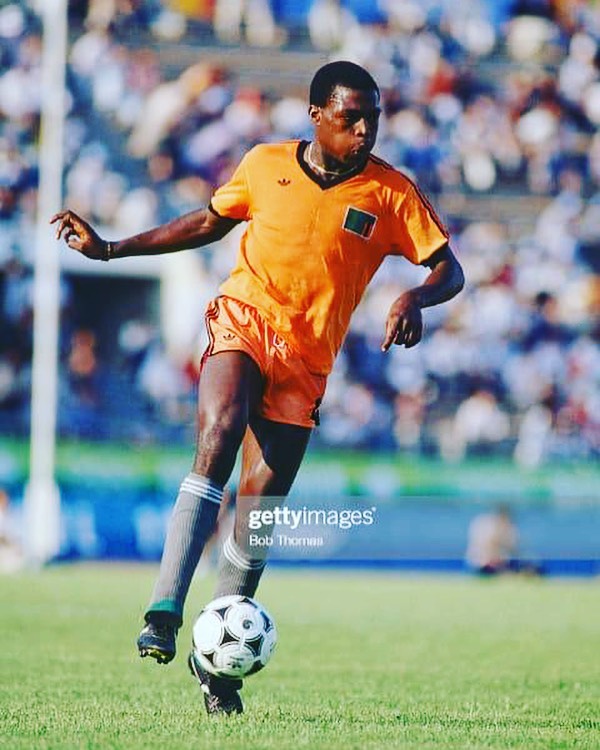
Kalusha Bwalya led Zambia through the nation’s darkest days.
He survived the 1993 air crash that killed most teammates.
He rebuilt the squad and reached the 1994 AFCON final.
Bwalya later became Zambian FA president, shaping national football policy.
He proved true leadership grows stronger through adversity.
Lucas Radebe – The Gentle Leader of South Africa
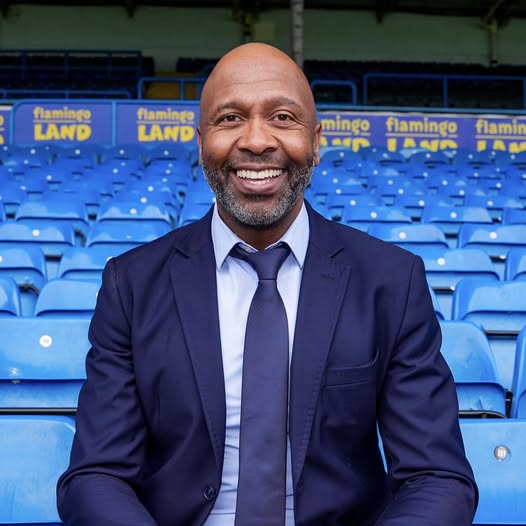
He captained both Leeds United and South Africa.
He represented calmness, integrity, and unity in post-apartheid football.
Nelson Mandela once called him a national hero.
Radebe’s leadership built bridges across divided communities through football.
Hossam Hassan – The Egyptian Record Breaker

Hossam Hassan led Egypt with fierce competitiveness.
He scored over 60 goals and guided Egypt to multiple AFCON titles.
His hunger and experience inspired Egypt’s younger players for years
.
Even after retirement, he continued motivating teams as a coach.
Samuel Eto’o – The Relentless Leader of Cameroon
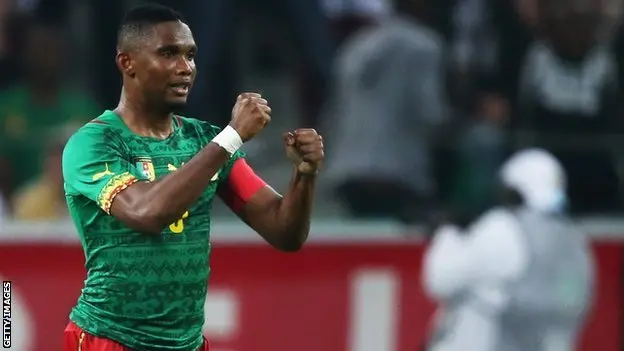
Samuel Eto’o captained Cameroon with authority and confidence.
He remains the Africa Cup of Nations’ top scorer.
Eto’o’s success at Barcelona and Inter Milan inspired African players worldwide.
He now leads the Cameroon FA, promoting youth football reforms.
Yaya Touré – The Modern Commander
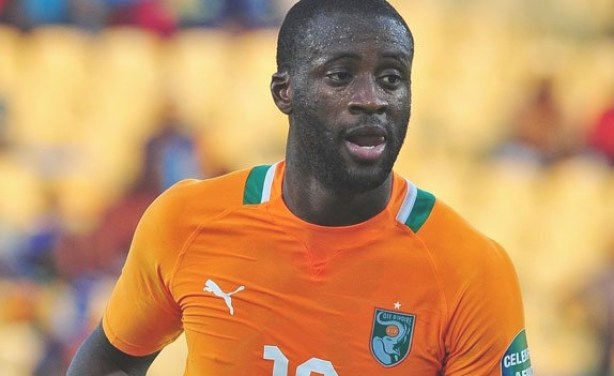
Yaya Touré’s influence stretched from Manchester City to Ivory Coast.
He captained the Elephants to the 2015 AFCON title.
His composure, vision, and power made him a model modern captain.
Touré now mentors young players and advocates for better governance in Africa.
Stephen Keshi – The Captain Who Became a Champion Coach

Stephen Keshi captained Nigeria to the 1994 AFCON crown.
He led with discipline and determination through a golden generation.
Later, he coached Nigeria to the 2013 AFCON title.
Keshi remains one of few Africans to win as both captain and coach.
Abedi Pele – The Maestro of Ghana

Abedi Pele combined artistry with leadership for Ghana.
He inspired confidence through skill and calmness under pressure.
His influence helped nurture Ghana’s football identity in the 1990s.
He remains a role model for creative midfielders across Africa.
Shared Traits That Defined Great African Captains
All these captains showed mental toughness and integrity.
They led by example both in training and in competition.
Teamwork mattered more to them than personal glory or fame.
Through their leadership, young players learned to dream beyond borders and overcome hardship.
leadership helped Africa earn global respect on football’s grandest stages.
Lessons for Future Leaders
Modern captains must blend football excellence with community service.
They must use their voices to defend fairness and unity.
They should mentor younger players and support local academies.
Strong captains create disciplined teams and empowered societies.
CAF and national federations should invest in leadership programs.
Conclusion
Legendary African captains built more than football legacies.
They created movements that lifted nations and shaped identities.
Their discipline, humility, and purpose still guide African players today.
Future captains must follow their example to inspire new generations.