Football’s greatest stories rarely begin under stadium floodlights.
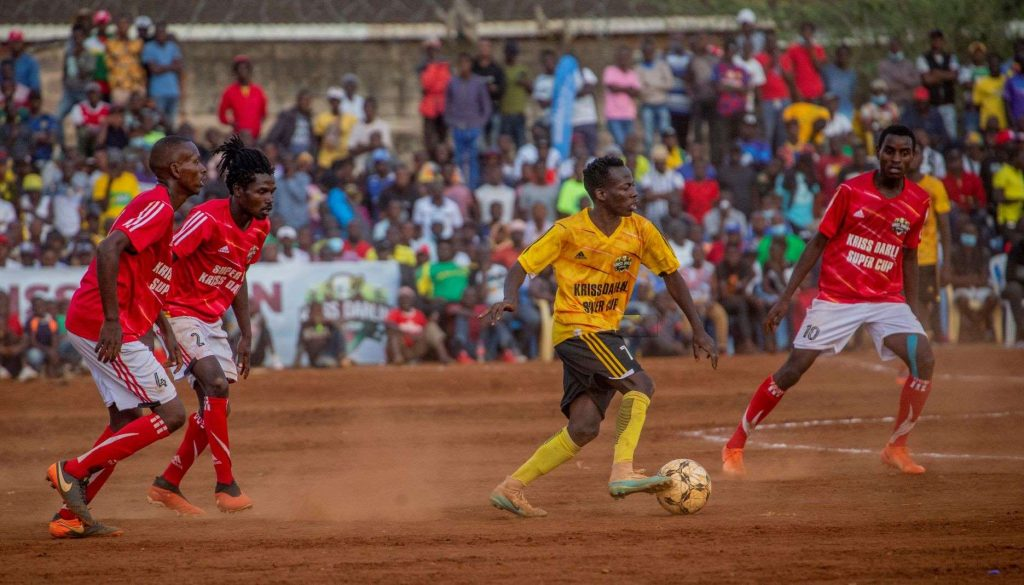
They start on dusty pitches, school yards, and uneven community fields where raw enthusiasm meets the simplest form of the beautiful game.
It is here—far from elite academies and multimillion-pound contracts that the soul of football is born.
Yet, for all its global wealth and influence, football still depends on one fragile engine: grassroots development.
Without consistent investment in youth structures, community pitches, training programmes, and accessibility, the sport risks losing the very pipeline that produces its next generation of stars, coaches, fans, and leaders.
Today, investment in grassroots football is no longer a charitable gesture; it is a strategic necessity for federations, clubs, governments, and sponsors.
As global competition intensifies, technological advances reshape the game, and youth engagement becomes more complex, the need to strengthen football at its base has never been more urgent.
This evergreen article explores the why, how, and long-term impact of grassroots investment in modern football—offering deep insight, expert-informed analysis, and forward-looking perspectives.
Why Grassroots Football Matters

Grassroots football is the sport in its purest form: open, accessible, community-driven, and developmental.
It represents the widest part of football’s pyramid—home to millions of young players dreaming of wearing professional colours.
It Creates the Largest Talent Pool
Professional clubs rely on vast scouting networks to identify promising players.
But without structured youth programmes and early technical exposure, even exceptional talent may go unnoticed or fail to develop to its full potential.
Countries like Spain, Germany, France, Brazil, and Senegal are often cited as examples of footballing nations where meticulous investment in youth systems has produced world-class players year after year.
A strong grassroots system ensures:
- Children start learning football fundamentals earlier.
- Youth players receive consistent coaching.
- Talent identification becomes more effective.
- The overall quality of national football improves.
It Strengthens Communities and Social Development
Grassroots football is far more than a sporting foundation; it is a social asset.
Participation promotes:
- Health and wellness
- Discipline, teamwork, and self-confidence
- Cultural exchange and inclusion
- Reduction of youth crime and antisocial behaviour
Grassroots football is often a powerful equaliser, offering opportunities to children regardless of economic background.
It Fuels the Professional Football Economy
Every elite player was once a grassroots player.
Investing in youth development supports the entire football economy:
- Club academies benefit from larger and more skilled talent streams.
- Professional teams gain future stars.
- Broadcasting and sponsorship revenues grow.
- The sport remains competitive, entertaining, and globally relevant.
Football’s multibillion-dollar ecosystem rests on small-scale community participation.
The Evolution of Grassroots Football Investment
From informal kickabouts to structured community leagues, grassroots football has undergone significant transformation.
The Shift to Structured Pathways
Decades ago, talented youngsters were discovered more by chance than strategy.
Today, federations and clubs build long-term development pathways, aligning grassroots with academy and professional levels.
These reforms include:
- Age-specific leagues and small-sided formats
- Coaching certification programmes
- Youth scouting and data evaluation
- Partnerships between schools and clubs
This structure ensures footballers develop holistically—technically, tactically, mentally, and physically.
Government and Corporate Involvement
Investment is no longer the exclusive domain of football clubs.
Governments now recognise grassroots sport as:
- A public health tool
- A youth development platform
- An economic driver
- A catalyst for tourism and national branding
Meanwhile, corporate sponsors—such as Nike, Adidas, telecom companies, and banks—fund grassroots leagues, community pitches, and youth tournaments as part of their CSR and brand-building strategies.
Rise of Technology and Data
Modern grassroots development integrates:
- Digital coaching tools
- Talent tracking apps
- Video analysis
- Wearable devices
- Virtual training programmes
These innovations democratise access to high-level training, even in under-resourced communities.
Key Components of Effective Grassroots Investment
A top-tier grassroots system is built on several pillars. The strongest programmes consistently invest in the following areas.
Infrastructure: The Foundation of Participation
Accessible and Safe Playing Surfaces
Many communities still rely on dangerous, uneven, or unusable fields—which discourages participation.
Investment priorities include:
- Grass and artificial turf pitches
- Community stadium upgrades
- School field revitalisation
- Indoor futsal courts for all-weather training
Training Facilities
Proper infrastructure supports year-round development:
- Gymnasiums
- Sports science rooms
- Medical and rehabilitation spaces
- Locker rooms and study halls
Lighting and Safety Measures
Simple improvements like field lighting drastically increase playing time and accessibility—especially in low-income regions.
Coaching Education: Elevating the Standard of Training

Grassroots football thrives only when coaching is competent, consistent, and development-focused.
Certification and Continuous Training
Federations and clubs invest heavily in coaching education because trained coaches produce better players.
Key investments include:
- Workshops and licensing courses
- Youth-specific coaching modules
- Mentorship programmes
- Subsidised coaching materials
A Development-First Philosophy
At grassroots level, coaching must prioritise:
- Technical mastery
- Enjoyment of the game
- Creativity and decision-making
- Holistic player welfare
Results and trophies matter far less than long-term development.
Youth Participation Programmes
School Partnerships
Schools are critical entry points into football. Investments ensure:
- PE curriculum integration
- Coach-led training sessions
- Inter-school leagues
Community Leagues and Festivals
Regular competition is essential for development. Community tournaments:
- Expose players to match situations
- Strengthen football culture
- Attract fans, families, and local sponsors
Inclusion Initiatives
Strong grassroots systems always include:
- Girls’ football programmes
- Disability football
- Refugee and minority inclusion
- Low-cost or free participation options
Football grows when everyone is invited to the pitch.
Talent Identification and Pathways
Scouting and pathways connect grassroots to elite opportunities.
Regional Talent Centres
When federations and clubs partner to create regional hubs, scouting becomes more inclusive and accurate.
Youth Academies
Clubs invest in:
- Technical and tactical training
- Nutrition and education programmes
- Psychological and social support
Scholarships and Exchange Programmes
These remove financial barriers and bridge transitions between youth and professional levels.
Financial Investment and Sustainable Models
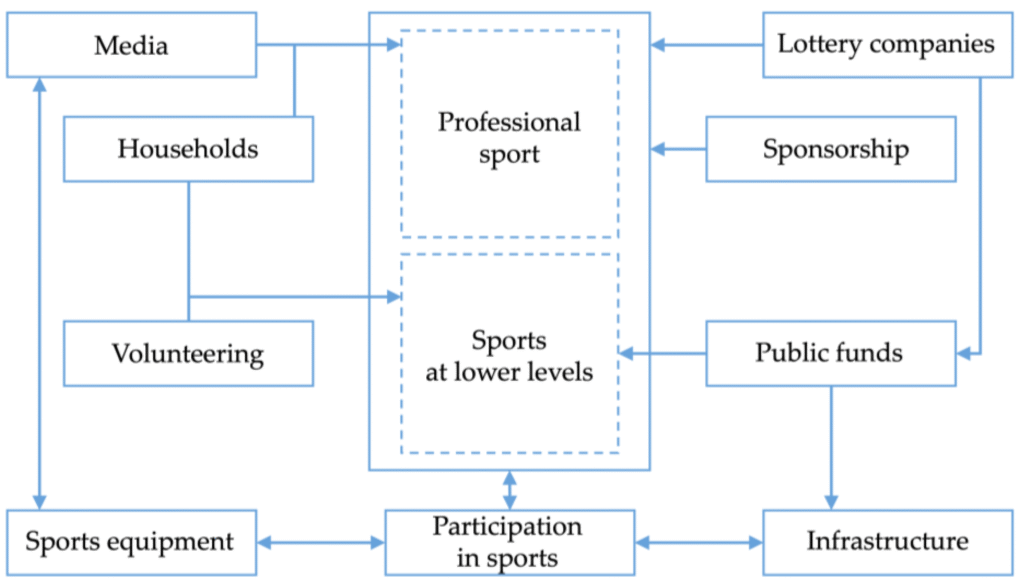
Grassroots football needs consistent funding—not short-term enthusiasm.
Government Funding
National associations often rely on grants to upgrade pitches and support youth leagues.
Club and Academy Investment
Professional clubs fund:
- Scouting networks
- Coaching salaries
- Facility maintenance
- Youth competitions
Private Sponsorship
The most successful grassroots ecosystems involve corporate partnerships, providing:
- Kit and equipment
- League sponsorship
- Media exposure
- Community development initiatives
Community-Driven Models
In many countries, grassroots football survives through:
- Local fundraising
- Volunteerism
- Club membership fees
Global Case Studies: Countries That Got It Right
Some nations demonstrate how intentional grassroots investment transforms footballing success.
Germany: The Gold Standard of Systemic Reform
Following their dismal Euro 2000 campaign, Germany reinvented its football structure.
What They Did
- Built more than 350 regional development centres.
- Mandated professional clubs to operate certified academies.
- Implemented nationwide youth coaching standards.
- Introduced extensive technical skills programmes.
Results
- 2014 FIFA World Cup title
- A steady pipeline of elite talent
- The world’s most admired youth development model
Spain: Technical Mastery Through Grassroots Excellence
Spanish football culture revolves around possession-based training from early ages.
Core Investments
- Small-sided youth leagues
- Technical coaching education
- Long-term development pathways
- School-club partnerships
Outcomes
- 2010 World Cup and two European Championships
- Clubs like Barcelona and Real Madrid producing world-class graduates
- A global reputation for technical brilliance
Senegal: Africa’s Emerging Blueprint
Senegal has invested strategically in youth development through both government backing and private academies.
Key Initiatives
- Football academies like Diambars and Génération Foot
- Local community league expansion
- Partnerships with European clubs
Impact
- 2022 AFCON title
- World Cup-calibre talent production
- Rapid rise in global recognition
Japan: Long-Term Vision and Discipline
Japan’s football revolution began in the 1990s and has delivered consistent results.
Investment Focus
- School and university football integration
- High-quality coaching education
- Massive infrastructure growth
- Public-private funding models
Achievements
- Regular World Cup appearances
- Technically refined players making global impact
- A growing domestic league culture
The Economic and Social Return on Investment
Grassroots football generates exponential returns far beyond the pitch.
Economic Growth
Grassroots investment stimulates:
- Local employment
- Sports equipment sales
- Facility construction
- Tourism via youth tournaments
- Increased professional-level revenues
Social Development
Communities benefit from:
- Youth empowerment
- Gender equality
- Social cohesion
- Crime reduction
Long-Term Sporting Success
A strong grassroots base ensures:
- Consistent national team competitiveness
- A deeper pool of elite players
- Higher league standards
Challenges Facing Grassroots Football
Despite its importance, many regions still face significant barriers.
Lack of Funding
Grassroots projects often sit at the bottom of financial priorities, especially in low-income countries.
Poor Infrastructure
Unsafe fields and lack of facilities limit participation and performance.
Shortage of Qualified Coaches
Many young players receive little to no technical guidance.
Inequality and Accessibility Barriers
Girls, rural communities, and marginalized groups remain underrepresented.
Absence of Clear Pathways
Talented youth frequently “disappear” due to limited scouting networks or bureaucratic obstacles.
How to Strengthen Grassroots Football in the Next Decade
The next era of football will be shaped by innovation, inclusivity, and sustainability.
Technology-Driven Coaching and Scouting
Expect greater use of:
- AI-based performance analysis
- Online coaching platforms
- Digital scouting databases
Technology closes gaps in regions with limited resources.
Public-Private Investment Models
Federations, businesses, and governments must collaborate to ensure long-term funding stability.
Global Standardisation of Youth Coaching
Universal coaching standards elevate the global talent pool.
Greater Inclusion of Women and Girls
Female participation is football’s greatest growth opportunity.
Investment should focus on:
- Girls’ academies
- Women’s community leagues
- Scholarship and mentorship programmes
Environmental Sustainability
Eco-friendly pitches, energy-efficient facilities, and water conservation practices are now essential.
Grassroots Football and the Future of the Sport
Football’s global dominance depends on its ability to remain accessible, exciting, and community-driven.
While elite football attracts the headlines, grassroots football creates the heartbeat of the sport.
Investing in grassroots is not just about discovering the next superstar—it is about building:
- healthier societies
- stronger economies
- inclusive communities
- a sustainable football future
As long as the world keeps playing in parks, fields, beaches, and alleys, the game will continue to thrive.
But with strategic investment, the potential of grassroots football becomes truly limitless.