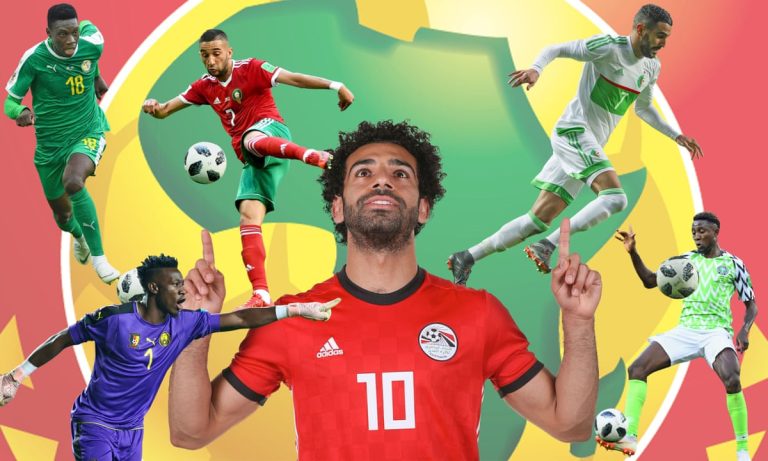
The 2026 World Cup marks the most ambitious expansion in the tournament’s history, introducing a 48-team structure that reshapes qualification, tournament dynamics, commercial opportunities, and global football politics.
For Africa, the expansion is more than a simple numerical increase in slots; it is a structural shift that could redefine the continent’s place in world football over the next generation.
As CAF nations continue to integrate new tactical approaches, professionalise their federations, export players globally, and grow domestic competitions, the enlarged format arrives at a moment of major transition.
A Historic Increase in African Representation
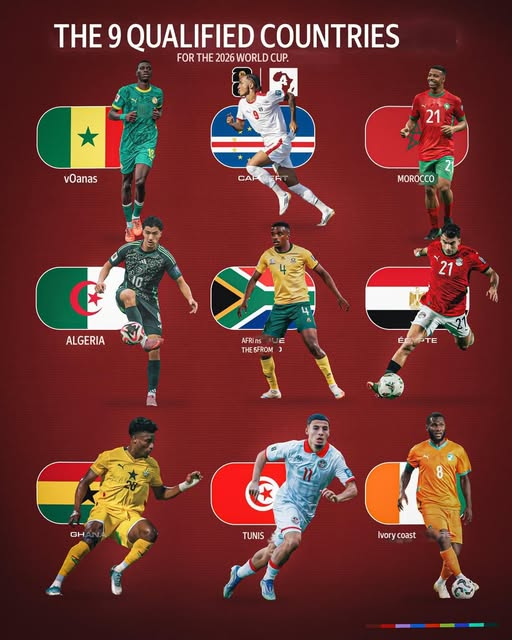
From 5 Slots to 9 Direct Places
For decades, Africa’s greatest frustration with the World Cup has centered on representation.
With only five slots, the continent’s 54 CAF members faced one of the toughest qualification routes in world football.
The new format grants Africa nine direct qualification spots, nearly doubling its presence.
This increased participation has several immediate advantages:
- More exposure for players and national teams
- Higher probability of multiple African teams advancing deep into the tournament
- Greater tactical diversity on display
- More equitable global representation
A Crucial 10th Slot Through the Play-Off Path
The introduction of the intercontinental play-off mini-tournament, offering Africa a potential tenth place, further enhances the continent’s chances.
This gives teams on the cusp another route to qualification—creating opportunities for nations that have traditionally come close but fallen just short.
Increased Competitive Opportunities for Emerging Nations
A Platform for Second-Tier African Sides
Historically, World Cup qualification has been monopolized by a small group of African giants.
The expanded format opens the door for emerging nations to rewrite continental hierarchies.
The following nations stand to benefit significantly:
- Mali
- Cape Verde
- Gambia
- Uganda
- Burkina Faso
More slots mean these teams no longer require flawless qualification campaigns to reach the World Cup.
Long-Term Impact on Football Development
Consistent qualification opportunities encourage:
- Greater investment in youth academies
- Better domestic league structures
- Increased sponsor interest
- More stable coaching appointments
- Earlier commitment from diaspora players
The cumulative effect can dramatically elevate national football systems.
Economic and Commercial Advantages for African Football
Increased Visibility Equals Higher Market Value
A place at the World Cup massively elevates the marketability of players. When more African teams participate:
- European clubs scout broader markets
- Transfer values rise
- Local academies gain credibility
Prize Money and FIFA Solidarity Payments
The enlarged format increases the overall prize pool. Federations benefit from:
- Qualification bonuses
- Sponsorship boosts
- Government support
For smaller federations, these funds can transform football infrastructure.
A New Competitive Landscape: Why African Teams Stand to Gain
More Groups, More Teams, More Strategic Openings
With 48 teams divided into 12 groups, the mathematics of qualification become more forgiving.
Third-placed teams can advance, which offers African sides more strategic flexibility during group play.
African Teams Are Becoming Tactically Smarter
The last decade has seen major improvements in:
- Tactical flexibility
- Defensive organization
- Pressing structures
- Game management
Morocco’s 2022 semifinal run showcased this tactical evolution.
Psychological and Cultural Benefits
Greater representation boosts:
- Player confidence
- African diaspora engagement
- Fan enthusiasm
- Global media visibility
Why the Timing Favors Africa
Growing Generational Talent Pools
African nations now produce world-class players at unprecedented rates across Europe’s top leagues.
Many dual-national talents are also choosing CAF nations more often.
Stronger Domestic Leagues and Professionalisation
CAF members are improving:
- League licensing
- Club management
- Youth development structures
These improvements create healthier national team environments.
Continental Unity and Emerging Regional Strengths
North Africa’s Tactical Evolution
Morocco, Tunisia, Egypt, and Algeria benefit from strong leagues, disciplined structures, and experienced coaches.
West Africa’s Powerhouse Pipeline
Nigeria, Senegal, Ghana, Ivory Coast, Mali, and Guinea dominate youth development and player exports.
Central and East Africa Rising
DR Congo, Uganda, Tanzania, Kenya, and Rwanda are investing in modern football systems.
Southern Africa’s Growing Competitiveness
South Africa’s PSL remains financially strong, while Zambia and Angola continue rising through youth development.
Expanded Format Improves African Chances of Going Further
More Teams Means More Diverse Playing Styles
African nations often thrive against possession-heavy teams. An expanded field increases the variety of matchups, enhancing chances of favorable group dynamics.
Knockout Experience for More African Teams
Even finishing third may be enough to progress. This means:
- More knockout appearances
- More FIFA ranking points
- Greater exposure for African talent
The Role of Technology, Data, and Sports Science
Modern Sports Science Adoption
African federations are investing in:
- GPS systems
- Match analysis departments
- High-performance coaching
These tools narrow the gap with top football nations.
Better Use of Diaspora Talent
Dedicated scouting networks now identify dual nationals earlier, widening the talent pool.
The Impact on AFCON and CAF Competitions
Greater Competition at the Africa Cup of Nations
More World Cup slots raise qualification standards. AFCON becomes more competitive, tactically rich, and globally appealing.
CAF Champions League and Africa Football League Synergy
New CAF competitions promote:
- Financial stability
- Club development
- Youth exposure
Stronger clubs nurture stronger national sides.
Potential Challenges Despite the Benefits
Governance Issues
Several federations still struggle with:
- Administrative inefficiencies
- Funding mismanagement
- Political interference
These could undermine the benefits of expansion.
Infrastructure Gaps
Many countries must accelerate improvements in:
- Stadiums
- Training centres
- Academy certification
Logistics and Preparation
Travel difficulties and inconsistent preparations remain obstacles.
The Bigger Picture – What the Expansion Means for Africa’s Future
Increased Global Influence for CAF
More slots mean greater influence in FIFA decision-making and global football politics.
A Step Toward Africa’s First World Cup Winner
While not guaranteed, the expansion significantly improves conditions for deeper African runs and future title challenges.
Conclusion – A Golden Opportunity for African Football
The expanded World Cup format is one of the most transformative developments in African football history.
More slots, better access, reduced barriers, and increased exposure create an environment where African nations can finally thrive on the global stage.
Africa’s challenge now lies in preparation, governance, and long-term planning.
If handled well, this era could mark the beginning of Africa’s rise as a true global football powerhouse.