African football carries a powerful legacy of talent, passion and cultural significance.
Every year new stars emerge from streets, schools and local pitches across the continent.
Many rise to global stages where they become household names.
Yet behind this success story lies a more complicated reality.
Corruption, mismanagement, weak governance and inconsistent investment continue to limit the growth of African football at multiple levels.
The problems are deep, persistent and often interconnected, affecting national teams, local leagues, youth football, infrastructure and commercial progress.
This article explores the many ways corruption and mismanagement slow the development of African football.
It outlines the root causes, the consequences and the areas where progress remains possible.
Most importantly, it highlights what must change for African football to build a sustainable and globally competitive future (milleworld.com).
The Foundations of African Football Remain Fragile
A Continent Filled With Talent Yet Limited by Structural Weaknesses
Talent is not the issue in African football. Natural ability appears everywhere, from bustling cities to small villages.
Children display creativity, flair and confidence that inspire scouts from around the world.
The continent has already produced World Cup finalists, UEFA Champions League winners and global football icons.
However, the systems meant to support this talent often lack professionalism, stability and long term planning.
Instead of coordinated development programs and reliable structures, many countries operate through a patchwork of informal systems and short term strategies.
This imbalance has created a gap between individual success and continental football development.
Governance Problems Continue to Undermine Progress
Federations Struggle With Transparency and Accountability
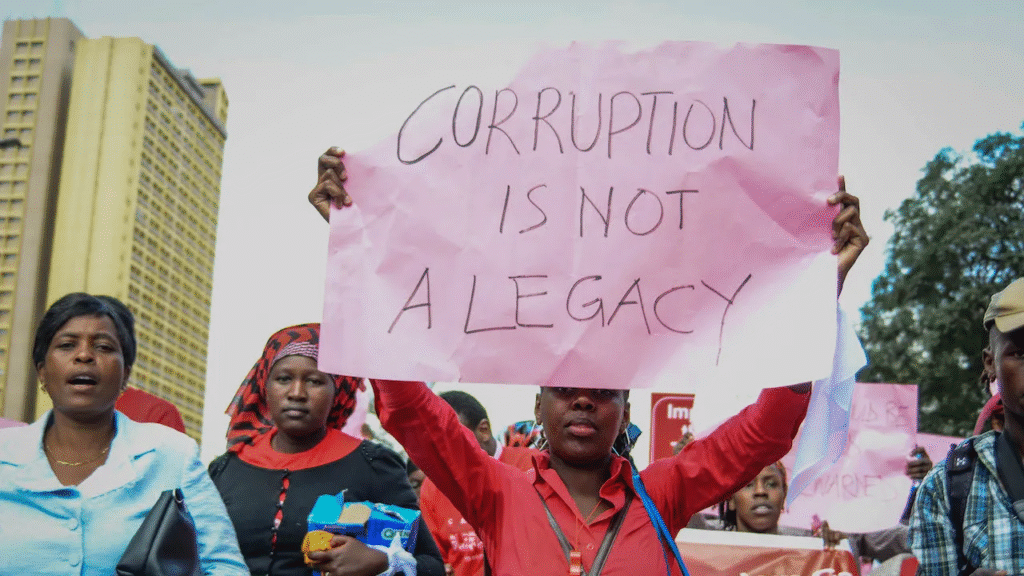
Many football associations across Africa face criticism related to governance practices.
Reports from journalists, auditors and civil society groups frequently highlight irregularities in administration.
These include unexplained financial transactions, insufficient accounting records, inflated travel budgets, misuse of development resources and unclear contract agreements.
Federations that lack transparent procedures often find themselves stuck in leadership disputes, internal politics and power struggles.
When administrators focus more on maintaining influence than building football structures, the sport suffers at every level.
Why Governance Problems Become Cyclical
There are several reasons corruption and mismanagement continue from one leadership era to the next.
- Football decisions are often linked to political influence.
- Oversight bodies rarely have independence or full authority.
- Elections sometimes involve questionable tactics that protect entrenched networks.
- Many federations do not publish financial reports that allow public scrutiny.
- Consequences for mismanagement are inconsistent or ineffective.
This creates a culture where weak governance becomes normal and repeated mistakes are accepted rather than corrected.
Political Interference Remains a Major Obstacle
Federation Elections Resemble Political Campaigns
In several African countries football leadership elections receive as much attention as political elections.
Allegations of interference by government officials frequently arise.
These include pressure on delegates, manipulation of voting procedures and behind the scenes influence to determine preferred candidates.
When leaders rise to power through political alliances, their priority often shifts from reform and development to loyalty and survival. This weakens the independence needed for real progress.
Government Pressure Affects Coaching Decisions
National teams often experience coaching instability because appointments sometimes depend on political preferences rather than technical evaluation.
Coaches may be dismissed after disagreements with federation leaders or because officials want a manager from a particular region or background.
This instability affects tactics, player selection and long term planning.
Successful national teams require consistency, yet many African sides change coaches too often due to political factors rather than performance (safootball.net).
Funding Is Used as Leverage
Since federations rely heavily on government budgets for training camps, travel arrangements and tournament preparations, some governments use financial control to influence football decisions.
This limits independent planning and discourages transparent administration.
Financial Mismanagement and Its Damaging Effects
Development Funds Often Fail to Reach Intended Projects
Across the continent many football projects receive funding from both international and domestic partners.
These funds are meant to support youth academies, coach education, grassroots leagues, infrastructure improvements and the growth of womens football.
However, several investigations have shown that large portions of these funds do not reach their targets.
Instead they disappear into unclear expenses or poorly managed accounts.
When development grants go missing, long term football progress slows dramatically.
Unpaid Salaries and Bonus Disputes Create Instability
Financial mismanagement affects national teams and local leagues.
Players and coaches frequently experience delayed salaries, unpaid match bonuses and incomplete contract payments.
This leads to protests, boycotts and disagreements during major tournaments.
Referees and league officials also face irregular payments, which increases their vulnerability to external influence.
Financial instability damages trust within the football environment and creates conditions that discourage professionalism.
Match Fixing and Integrity Problems Harm League Growth
Betting Syndicates Target Vulnerable Leagues
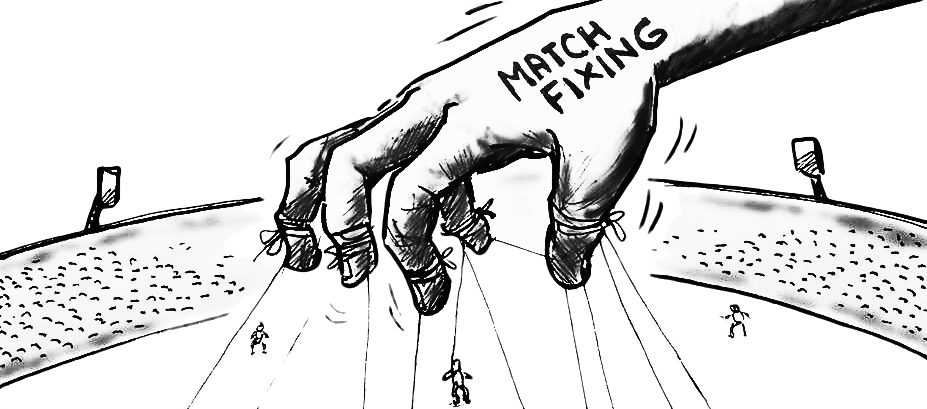
As global sports betting continues to expand, many African leagues have become targets for match fixing syndicates.
Lower wages, poor monitoring tools and limited protection for referees and players create risks that affect match integrity.
Match fixing scandals reduce fan confidence, weaken the credibility of leagues and limit sponsorship opportunities.
When the public believes results can be manipulated, interest declines and commercial partners hesitate to invest (sportsintegrityinitiative.com).
Weak Enforcement and Limited Technology
Integrity units in many federations lack the resources to conduct thorough investigations.
Cases often remain unresolved and individuals involved in suspicious activities sometimes return to football without facing serious consequences.
Without investment in technology such as monitoring systems, data tracking and analytical tools, it is difficult to detect unusual betting patterns or suspicious decisions.
Strengthening integrity protection remains essential for the future of African football.
Infrastructure Problems Slow Development Across All Levels
Stadiums Fail to Meet International Standards
Many stadiums across African countries are not maintained at the required level.
Structural problems, inadequate seating, unsafe changing rooms, unreliable lights and poor playing surfaces prevent them from meeting international standards.
As a result several national teams have been forced to play home matches in other countries because their stadiums did not pass inspection.
This not only affects performance but also reduces revenue and fan engagement.
Abandoned Projects Waste Resources
Several infrastructure projects have been announced with great excitement only to remain half finished or completely abandoned.
This includes training centres, mini stadiums, academy buildings and regional development hubs.
Often the funding is provided but the execution is delayed due to mismanagement or corruption.
These abandoned projects represent lost opportunities for young players, coaches and communities that need access to quality facilities.
Youth Development Suffers Most Under Mismanagement
Lack of Structured Pathways for Young Players
Strong football nations rely on coordinated development systems that guide players from grassroots level to professional competitions.
In many African countries this pathway remains weak and inconsistent.
Challenges include lack of certified youth coaches, poor quality pitches, limited youth leagues, insufficient scouting systems and inadequate medical support.
Without a clear development plan many talented players fail to reach their full potential.
The Problem of Age Manipulation
Age manipulation has long affected youth competitions in Africa.
When older players participate in age restricted tournaments, genuine talents lose opportunities for development.
This distorts scouting, reduces the credibility of youth competitions and affects long term career planning.
Private Academies Need Regulation
Although private football academies have grown across the continent, many operate without strong oversight.
Some focus more on profit than development, charging families high fees without providing proper training or education.
A regulatory system that evaluates academies, protects players and enforces minimum standards is essential for sustainable youth development.
Womens Football Still Faces Underinvestment and Neglect
Limited Resources for Women at All Levels
Womens football has grown in popularity across Africa, but progress remains slow due to major resource gaps.
Many womens teams lack access to quality facilities, qualified coaches, medical support and regular competitions.
In several countries womens leagues operate with minimal budgets, irregular schedules and limited media coverage.
Players often train on poor surfaces and compete without proper logistical support.
Frequent Pay Disputes and Poor Conditions
National womens teams often experience bonus disputes, unpaid allowances, poor accommodation and inadequate travel arrangements.
Many teams have publicly protested these conditions.
Despite these challenges womens football in Africa displays enormous potential when supported correctly.
Club Licensing and the Struggle for Professionalism
CAF Introduced Licensing for Better Standards
The Confederation of African Football created a club licensing program to encourage professionalism.
The program requires clubs to demonstrate financial transparency, proper administration, youth structures, standard training facilities and qualified coaching staff.
Implementation Remains Uneven
Although the licensing framework exists, many clubs satisfy requirements only on paper.
Documentation is sometimes unverified, youth programs are incomplete and stadiums fail to meet operational standards.
Without strict enforcement licensing will not achieve its intended impact.
Commercial Revenue, Sponsorship and TV Rights Challenges
Broadcast Deals Are Often Underdeveloped
Television rights remain one of the biggest revenue sources for global football, yet many African leagues receive minimal income from broadcasting.
Production quality is inconsistent and schedules often change without clear communication, which reduces viewership.
Weak commercial planning results in low revenue for clubs and limits investment in facilities, youth development and player salaries.
Sponsors Avoid Instability
Brands want to invest in sports environments that demonstrate professionalism, accountability and commercial growth.
When leagues or federations experience frequent administrative disputes or financial scandals, sponsors withdraw or decline to engage.
This leads to a cycle where leagues remain financially weak because they lack the credibility needed to attract strong partners.
Talent Exodus and the Impact on Local Competitions
Africa Is a Major Exporter of Football Talent
Many young African players leave for Europe, Asia and North America at early stages of their careers.
While the opportunity benefits individuals, it affected domestic football ecosystems.
Local leagues struggle to retain top players and become less competitive as a result.
Reasons Players Choose to Leave
Players often seek opportunities abroad because local leagues cannot guarantee stable salaries, quality coaching, medical support or long term career structures.
Poor infrastructure and inconsistent competition schedules also contribute to the problem.
The talent drain weakens domestic leagues and limits the growth of local football economies.
AFCON Organisation and Administrative Challenges
Tournament Scheduling Creates Repeated Controversy
The Africa Cup of Nations is one of the most celebrated tournaments in global football.
Yet it frequently faces criticism related to scheduling, host readiness, logistics and last minute administrative changes.
Poor organisation affects tournament quality and damages the global perception of African football management.
Host Nations Struggle With Preparation
Some host countries battle challenges such as delayed stadium construction, inflated budgets, poor planning and lack of post tournament usage strategies.
Although the tournament generates excitement, many countries face significant difficulties before and after hosting.
Refereeing Standards Require Improvement
Low Compensation Makes Referees Vulnerable
Many referees across African leagues receive inconsistent payments or low salaries.
This creates financial pressure that increases the risk of external influence and poor decision making.
Without stable compensation it is difficult to maintain integrity and commitment.
Limited Access to Modern Training Tools
Proper refereeing development requires regular fitness programs, video analysis, workshops and evaluation.
Many referees across the continent do not have consistent access to these resources and the introduction of video technology remains slow and expensive.
Improving officiating is essential for the fairness and reputation of competitions.
The Role of CAF and Ongoing Reforms
Positive Steps Are Being Taken
CAF has introduced new compliance procedures, stricter financial guidelines, improved competition formats and modern auditing systems.
These reforms aim to raise standards across the continent and encourage professional management.
Challenges Remain
CAF faces limitations as it must balance the interests of fifty four member countries with different financial capacities and political environments.
Enforcement of new standards also requires cooperation from national federations, which is not always guaranteed.
Grassroots Football Remains Underfunded
The Foundation of Football Is Neglected
Grassroots football is the heart of talent development.
However many communities lack quality pitches, certified coaches and organised competitions.
When grassroots programs are weak the entire football pyramid becomes unstable.
Local Innovation Shows Hope
Despite limited resources communities continue to organise youth tournaments, informal academies and local coaching groups.
These community driven initiatives often keep football alive even where official systems remain ineffective.
Medical Support and Player Welfare Gaps
Medical Infrastructure Remains Inadequate
Professional football requires strong medical support.
Many clubs cannot provide regular medical checkups, proper injury assessment or advanced rehabilitation.
Players are sometimes forced to play while injured due to lack of alternatives.
Fitness, Nutrition and Psychology Are Overlooked
Modern football demands scientific training and holistic player care.
Many African teams lack fitness experts, nutritionists and mental health professionals.
This reduces athlete performance and shortens careers.
Economic Obstacles Restrict Football Growth
Limited Revenue Streams Keep Clubs Weak
African clubs struggle to generate revenue outside ticket sales and occasional sponsorship deals.
Merchandising, digital products and content monetisation remain underdeveloped due to weak marketing strategies and inconsistent branding.
Clubs Need Professional Management
Successful football clubs around the world operate through modern administration that treats football as both a sport and a business.
Many African clubs still function through outdated structures that rely heavily on personal relationships or political ties rather than long term business planning.
Upgrading management is essential for financial stability.
Technology Offers Solutions but Adoption Is Slow
Digital Tools Can Improve Development
Technology can transform African football through online coaching platforms, video scouting tools, data analysis, digital ticketing and improved broadcast production.
It can also increase transparency in finance and administration.
Barriers to Technology Use Remain Significant
High costs, limited internet access and reluctance from some administrators slow down technological progress.
Despite these challenges technology remains a powerful opportunity for reform and modernisation.
Examples That Show Progress Is Possible
Although challenges persist, several countries demonstrate that progress is achievable with good governance and long term planning.
Nations such as Senegal have shown how disciplined administration can produce strong results across youth development, national teams and infrastructure.
Clubs in North Africa have embraced professionalism, strong facilities and commercial growth.
These examples prove that the right approach can transform football systems and inspire continental progress.
A Path Forward: What Must Change
Strengthen Governance
Federations must adopt transparent processes, publish financial reports regularly and separate football decisions from political influence.
Invest in Youth and Grassroots Development
Quality coaching, safe pitches, organised youth leagues and regulated academies are essential for sustainable success.
Improve Facilities
Modern stadiums, training centres and regional development structures must be maintained and used effectively.
Build Professional Leagues
Enforcing licensing requirements, creating reliable schedules and strengthening refereeing will improve competition quality.
Protect Players
Clear contracts, medical support and mental health programs are essential for long term welfare.
Defend Integrity
Match fixing must be confronted with technology, proper salaries and strict enforcement.
Support Womens Football
Investment and equal opportunities must become a priority rather than an afterthought.
Conclusion: African Football Holds Immense Promise but Needs Reform
African football stands at a decisive moment.
Talent is abundant, passion is unmatched and the potential for global impact is extraordinary.
Yet corruption, mismanagement and weak structures continue to slow development across the continent.
Real change requires honesty, commitment and leadership that prioritises football over politics.
With proper governance, investment and protection of young players, African football can rise to become one of the most powerful and respected football ecosystems in the world.
The future of African football remains full of promise.
What happens next will depend on the willingness of institutions, leaders and communities to transform that promise into sustainable progress.