Football in Africa is not simply a sport. It is a cultural language, a political force, a bridge between tribes, and a source of shared identity that transcends borders, class, religion, and generations.
From bustling cities to remote villages, the game pulses through the continent like a universal heartbeat.
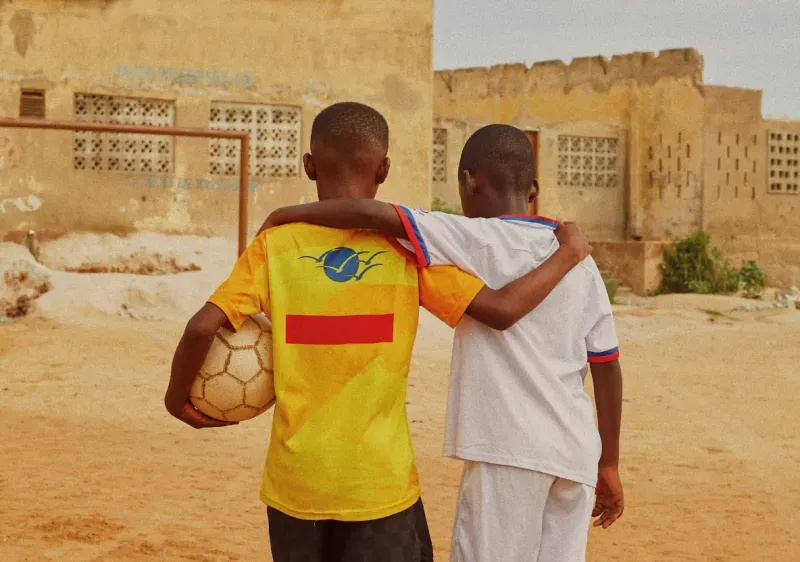
Whether played barefoot on dusty fields or in world-class stadiums filled with thousands, football consistently proves to be one of the most powerful unifying forces in African society.
This article explores the deep social, cultural, political, and emotional impact of football across the continent.
It examines how the sport strengthens national cohesion, nurtures community bonds, amplifies youth empowerment, accelerates economic development, and preserves tradition.
It also highlights how football becomes a refuge during conflict, a platform for global identity, and a catalyst for hope in places where opportunities are scarce.
By understanding why football is so influential, we can begin to appreciate the unique role it plays in shaping the continent’s collective heartbeat and why it continues to serve as Africa’s most unifying force.
Football as a Shared Cultural Identity
A Universal Language Across Diverse Communities
Africa is home to more than 1.3 billion people, thousands of ethnic groups, and hundreds of languages.
Yet football offers a common tongue that everyone understands.
On any match day, whether involving local clubs, national sides, or European giants, millions across the continent react in unison: cheering, shouting, debating, and celebrating together.
This shared emotional experience brings together people who might otherwise never interact.
In a continent so rich in diversity, football becomes a rare unifying thread capable of stitching together cultures, tribes, and traditions.
A Sport Rooted in Tradition and Storytelling
Football fits seamlessly into Africa’s long tradition of storytelling and communal gathering.
From the village square to the family compound, shared narratives are essential parts of social life.
Football becomes another story. One that everyone wants to tell.
Legends like George Weah, Samuel Eto’o, Didier Drogba, Abedi Pelé, Nwankwo Kanu, Jay-Jay Okocha, and Asisat Oshoala are more than players; they are mythic characters whose stories are retold with admiration (traditionalsportsgames.org).
Their journeys become motivational folklore that inspires children and binds communities together.
Football as a Unifying National Force
Building National Pride and Collective Joy
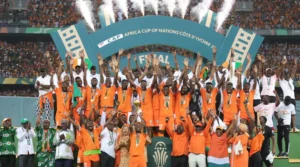
Few events unite African nations like a major football win. Whether during the Africa Cup of Nations, World Cup qualifiers, or international friendlies, victories spark nationwide celebrations that cut across class, age, and ethnicity (common-goal.org).
When Ghana reached the World Cup quarterfinals in 2010, the entire continent far beyond Ghana’s borders united in support.
When Zambia won AFCON in 2012, the victory carried deep emotional significance after the tragic 1993 plane crash.
In Ivory Coast, Drogba’s goal-scoring heroics helped calm political tension at a crucial moment in the country’s history.
Football does what politics often cannot: it creates a shared emotional high point.
Healing Divisions in Times of Conflict
Across Africa, football has often been used to bridge divides:

• Ivory Coast: Didier Drogba’s famous plea for peace helped ease national tension during the country’s civil conflict(wearerestless.org).
• Liberia: George Weah’s leadership before becoming president gave the nation a sense of unity amid war.
• Rwanda: Investments in football after the 1994 genocide were part of a broader effort to rebuild national identity.
Football becomes a safe emotional space where people can come together despite wider social or political issues.
National Teams as Symbols of Unity
The national team jersey is one of the few symbols universally embraced across many African countries. Whether it’s the Nigerian Super Eagles, Senegal’s Teranga Lions, Egypt’s Pharaohs, or South Africa’s Bafana Bafana, the national shirt represents belonging.
Fans wear it proudly during tournaments, creating a visual declaration of unity. In countries with internal divisions, football offers one of the rare platforms where everyone cheers for the same colours.
Football and Community Development

Local Football as a Social Glue
Before the bright lights of AFCON or the World Cup, football’s real influence begins at the community level. Every town, district, and village has its local team. These teams are social institutions where friendships form, families gather, and weekend routines revolve around the next match.
Community football provides:
• A shared place for social interaction
• A sense of belonging
• A safe space for young people
• Positive role models
• A source of entertainment
In many rural areas, football matches double as community events accompanied by food vendors, drummers, dancers, and an atmosphere resembling a festival.
Football Reduces Crime and Social Risk Among Youth
Many African communities struggle with limited job opportunities, school dropout rates, and youth vulnerability.
Football creates an alternative path. It keeps young people occupied, disciplined, and engaged in a healthy activity that discourages involvement in drugs, crime, or violent behaviour.
Coaches often become community leaders and mentors who teach life values such as teamwork, responsibility, and respect.
Girls’ Football as a Tool for Gender Empowerment
Women’s football is rapidly expanding across the continent. Teams and academies for girls foster empowerment, confidence, and social inclusion.
By offering equal access to sport, communities challenge outdated gender norms and create opportunities for girls to thrive.
Icons such as Asisat Oshoala, Thembi Kgatlana, Tabitha Chawinga, and Barbra Banda are now global role models inspiring millions of African girls.
Economic Impact and Football’s Role in Local Prosperity
Matchday Economies that Support Families
Football doesn’t just unite communities emotionally, it supports them financially. Every local match activates an entire micro-economy:
• Street vendors selling food and drinks
• Transport operators carrying fans
• Local artisans offering club merchandise
• Freelancers covering photography and videography
• Event organisers managing match operations
In many towns, football matchdays are the most profitable days of the week for small traders (myjoyonline.com).
Stadiums as Catalysts for Urban Development
New stadiums and sports facilities create jobs and attract tourism. Cities like Johannesburg, Cairo, Abuja, and Casablanca have benefited enormously from sports infrastructure that drives local business growth.
In smaller towns, even modest stadiums:
• Create construction jobs
• Stimulate local rentals
• Boost small-scale hospitality
• Encourage youth to participate in sports
• Act as community hubs
Football infrastructure has become a key pillar of development planning across Africa.
Football as a Pathway for International Opportunity
Every year, hundreds of African players sign contracts abroad. These moves provide life-changing financial opportunities not only for the players but for entire families and communities.
Remittances, scholarships, and charity projects run by African players contribute significantly to local economies. Football has become one of the most reliable pathways for upward mobility in many communities.
Football and Education
Academies Combining Sports and Schooling
Professional academies across Africa now blend education with sport. Examples include:
• Right to Dream Academy (Ghana)
• Diambars Academy (Senegal)
• TikiTaka Academy (Nigeria)
• ASEC Mimosas Academy (Ivory Coast)
These academies offer holistic growth—balancing academics, life skills, and elite-level training. Many graduates earn scholarships abroad, creating powerful opportunities that affect entire families.
Football as a Teaching Tool
Teachers and youth leaders often use football to teach:
• Mathematics and statistics
• Leadership
• Conflict resolution
• Physical education
• Time management
• Discipline
Football becomes a practical and relatable way to introduce important life skills.
The Media and Football’s Continental Influence
Football Coverage Creates Shared Narratives
Radio, television, digital news, and social media amplify football’s unifying power. On matchdays, millions tune in to commentary, analysis, and debates. Social platforms turn moments into continent-wide discussions.
A goal scored in Dakar can spark reactions in Nairobi.
A derby in Accra trends in Johannesburg.
AFCON highlights are consumed from Cape Town to Cairo.
Football media creates shared narratives that connect people across borders.
Football Influencers and Fan Culture
African football fans create some of the internet’s most colourful content—from reaction videos and humour to tactical analysis and match commentary.
Influencers and content creators strengthen digital communities, uniting fans through creativity and shared passion.
Football as a Peacebuilding Tool
Using Sport to Break Tension
Football tournaments are often used to promote peace between rival groups, political factions, or divided communities.
The sport offers a neutral ground where individuals can interact without hostility.
Post-Conflict Healing Through Football
In countries rebuilding after war, such as Rwanda, Liberia, and Sierra Leone, football contributes to:
• Trauma healing
• Youth rehabilitation
• Community reconciliation
• Social reintegration
Football becomes a symbol of hope and renewal.
National Identity on the Global Stage
African Pride in Global Competitions
Major tournaments like the Africa Cup of Nations, Women’s AFCON, the World Cup, and the Olympics generate enormous pride. African teams’ international successes create moments of unity felt across the entire continent.
Diaspora Unity Through Football
African communities abroad remain deeply connected to football. Watch parties and fan clubs help diaspora Africans celebrate heritage, identity, and cultural pride.
African players succeeding in foreign leagues also act as symbols of home, inspiring unity and representing the dreams of millions.
The Emotional and Spiritual Power of Football
Football as Joy and Escape
Football offers emotional refuge. In places where daily life is challenging, the sport provides joy, entertainment, and a sense of belonging. Fans find hope, relief, and excitement in the game’s highs and lows.
Football Traditions and Rituals
Traditions bring colour and personality to African football:
• Drumming and singing
• Choreographed fan dances
• Traditional clothing
• Painted crowds
• Supporter caravans heading to stadiums
These vibrant rituals deepen the bond between supporters and their teams.
Challenges and Future Opportunities
Infrastructure Gaps
Some challenges remain:
• Inadequate training fields
• Poor sports facilities
• Limited investment in women’s football
• Lack of youth programs in some regions
Addressing these issues can unlock enormous potential.
Football as a Driver of Future Growth
Football offers vast opportunities for Africa’s future, including:
• Tourism expansion
• Stronger continental tournaments
• Educational partnerships
• Professional development programs
• Growth of youth leagues
• Advancement of women’s football
The future of African football is bright.
Why Football Will Always Unite Africa
Football thrives in Africa because it represents the continent’s spirit, resilience creativity, passion, and community.
It brings people together in celebration and in struggle. It creates hope, builds identity, and strengthens social ties.
Football will continue to unite Africa because it speaks to something deeper than sport; it speaks to humanity.