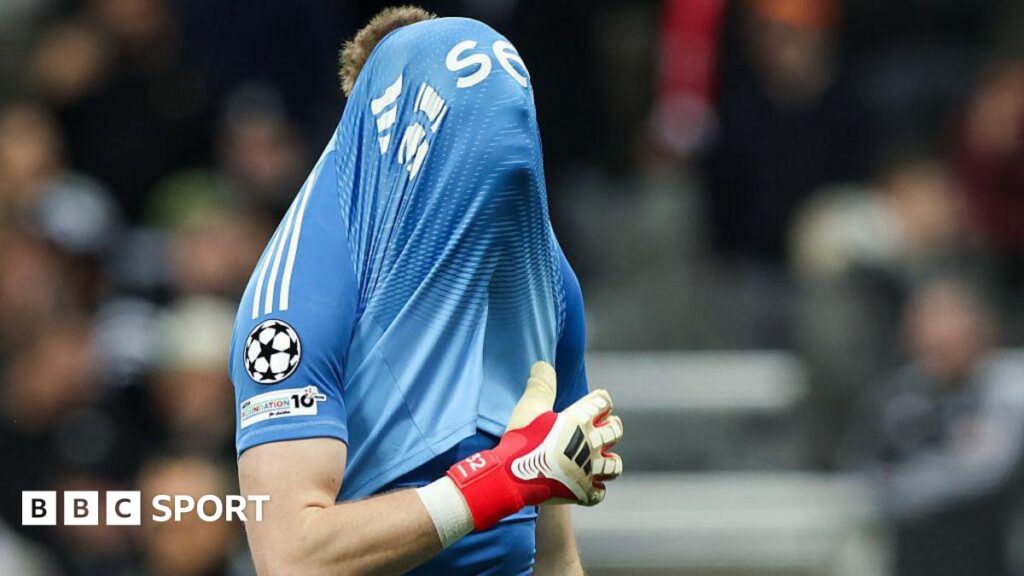
Champions League: Newcastle Reflects on Lost Chance Following Late Barcelona Heartbreak
Changes in the UEFA Champions League Format for the Upcoming Season
The upcoming UEFA Champions League will feature a different structure, advancing beyond the traditional group system. This alteration aims to increase competitiveness and engage fans more deeply.
Overview of the New Format
The new Champions League format will introduce a league stage that replaces the conventional group stages. Here’s what to expect:
- League Stage: Instead of four-team groups, all participating teams will be drawn into a single league of 36 clubs.
- Matches: Each team will compete in eight matches, facing a variety of opponents.
- Advancement: The top eight teams in the standings will automatically qualify for the knockout phase, while the teams ranked 9th to 24th will engage in playoff matches to secure the remaining spots.
Schedule and Matchdays
The matches will be spread across Tuesdays and Wednesdays, allowing for a more flexible schedule that accommodates various broadcasters and audiences. The new format is set to launch in the following season.
Implications for Clubs and Fans
The revamped format is designed to enhance the overall experience for both clubs and supporters. Here are some key implications:
- Increased Revenue: With more matches and widespread participation, clubs can expect higher revenue from broadcasting rights and ticket sales.
- Fan Engagement: The variation in opponents encourages greater interest and excitement among fans, potentially enhancing matchday attendance.
Response from Stakeholders
The reaction from clubs, fans, and footballing authorities has been mixed. Some view the changes as a necessary evolution of the competition, while others raise concerns about the impact on traditional values.
Conclusion
The introduction of this new format is a significant shift for the UEFA Champions League. With its focus on increased matches and broader competition, it aims to elevate the profile of European club football.