Introduction
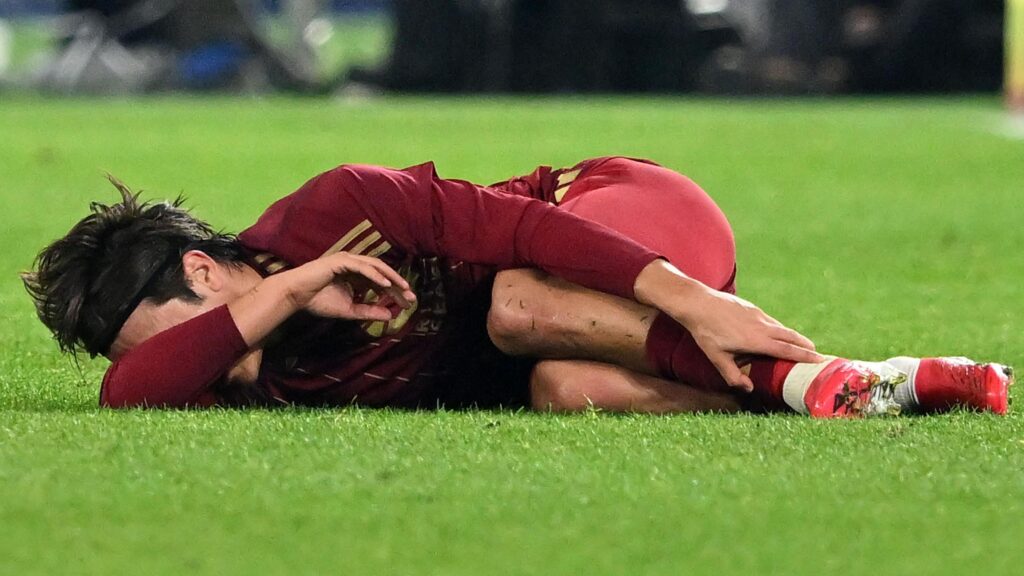
When a football manager takes the helm at a new club, one of the last scenarios they want to face is a key player sidelined due to injury shortly after their arrival. This situation raises questions: Can these injuries be avoided? What implications does a new managerial style have on player well-being?
The Impact of Manager Changes
A common perspective among sports professionals is that transitions in management can result in a temporary spike in injuries. Ben Warburton, a physiotherapist associated with rugby, noted that players often push themselves harder to impress their new coaches, which can lead them to overlook minor injuries or discomfort. He elaborated on how shifts in training dynamics, especially moving towards a more intense gym regime, can pose risks if players are not accustomed to the new demands.
Ben Dinnery, the founder of Premier Injuries — a platform dedicated to tracking athletic injuries—echoed these sentiments, highlighting several elements that contribute to this phenomenon:
- Limited Player Familiarity: New managers typically lack comprehensive knowledge about players’ injury histories;
- Player Fatigue: A new managerial approach may lead to players being overworked;
- Psychological Pressure: The desire to impress can motivate players to exert themselves beyond their physical limits.
Historical Precedents of Injury Spikes
There are numerous instances in football when newly appointed managers quickly found their squads plagued by injuries. For instance, when Jurgen Klopp took over Liverpool in 2015, the team faced over 20 injuries in the first three months under his management. According to Dutch coach Raymond Verheijen, this period resulted in a significant number of hamstring issues, with Klopp attributing these incidents to external factors.
Recent Research Findings
A UEFA study conducted in 2023 identified that when a new manager brings their own conditioning and performance coaches into a club, the number of hamstring injuries can increase up to threefold. Similarly, research from 2020 examining clubs in the Turkish Super League noted a doubling of injuries within two weeks of a coaching staff change.
Monitoring Player Performance
Top-tier clubs utilize GPS technology to strategically track player performance during both training and matches. This tech measures critical metrics including speed and distance covered. Warburton explained that some coaches may underestimate the intensity of training, placing players at risk before match days.
Analyzing Injury Data
However, dissecting injury statistics poses challenges. Dinnery explained that a Premier League squad competing in the Champions League may face a far more rigorous schedule than lower-tier teams, making direct comparisons problematic. The type of injury and its severity both play pivotal roles in this analysis, in addition to the timing of a manager’s appointment and the unfamiliarity of new players with the increased demands of the league.
Managing Change Effectively
While it is natural for managers to desire quick implementation of their strategies, caution is advised. Warburton emphasized the importance of gradually adjusting training regimes to avoid overwhelming players. Gathering data on player performance and injury metrics is vital in establishing a manageable training environment before fully integrating new approaches.
In conclusion, while new managerial appointments may herald excitement and new philosophies, the accompanying risk of increased injuries necessitates a balanced approach to training and player management.