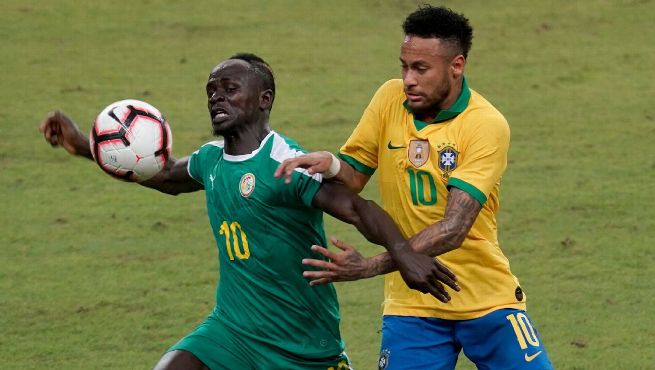
Football unites continents through shared emotion, yet each region expresses the game in a unique rhythm.
Africa and South America, two of the sport’s most passionate continents, have built contrasting yet equally captivating football identities.
Their styles reflect culture, history, and generations of footballing philosophy.
The Roots of African Football Identity
African football mirrors the continent’s diversity. Every nation adds its rhythm and flair to the global game.
The roots of African football grew through street matches, school pitches, and dusty grounds where creativity shaped skill.
learned to dribble through narrow spaces and improvise with limited resources.
That environment created fearless footballers who value flair and freedom.
African football emphasizes physical strength, speed, and flair.
Teams rely on quick transitions, explosive runs, and individual brilliance.
The style often highlights athleticism and emotional intensity.
African players show joy in expression, rhythm in movement, and unity in teamwork.
The continent’s music and culture influence how players move, celebrate, and interact on the field.
South America’s Artistic Legacy
South American football breathes creativity and improvisation.
It blends street football artistry with technical mastery.
Nations like Brazil, Argentina, and Uruguay define this identity through history and culture.
The game on this continent flows with rhythm and imagination. Every touch carries elegance and purpose.
Brazil’s samba style celebrates joy and improvisation.
Argentine football leans on intelligence, close control, and emotional intensity.
Uruguay brings grit and tactical precision. Each country’s style comes from its people and history.
Street football remains central, teaching players to dance with the ball and outthink opponents.
That culture gave birth to icons like Pelé, Maradona, Messi, and Ronaldinho.
Tactical Contrasts on the Field
African teams play with explosive pace and direct attacks.
They thrive on power, pressing, and quick counter-attacks.
Coaches often focus on athletic dominance and defensive resilience.
African teams combine passion with unpredictability. When rhythm flows, they become unstoppable.
South American teams rely more on technical control and possession.
They value passing triangles, movement, and rhythm.
The focus remains on creativity over power.
South American players use deception, vision, and timing to break defenses.
The style encourages patience and intelligence, reflecting a cultural love for artistry.
Coaching Influence and Development
Coaching approaches shape both continents differently.
African football has faced challenges in tactical development due to limited infrastructure and inconsistent investment.
However, modern African coaches now integrate European systems with traditional flair.
They combine discipline with creativity, building stronger balance between structure and expression.
South American nations developed tactical schools over decades. Argentina and Brazil invest deeply in youth systems.
Coaches emphasize ball mastery from a young age.
Players train to think fast and execute with precision.
That foundation produces consistent technical excellence.
Cultural Reflections in Style
Football in Africa and South America represents more than sport; it mirrors identity.
African players express rhythm and resilience, born from shared struggles and pride.
The game becomes storytelling through movement.
Celebrations carry traditional dances, chants, and drums.
In South America, football connects emotion and artistry. Matches turn into theater.
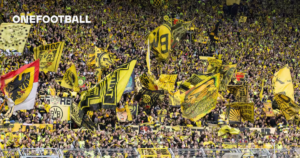
Fans sing, dance, and live through every touch of the ball.
The game expresses love, pride, and unity.
South American football feels like poetry on grass, while African football feels like a drumbeat of spirit and energy.
Global Impact and Modern Fusion
Globalization has blurred the borders of style. African players now shape European leagues with raw pace and adaptability.
South Americans continue to dominate with flair and technical beauty.
Modern coaches mix both styles, creating a hybrid of energy and intelligence.
Players like Nicolas Jackson, Mohammed Kudus, and Lamine Camara show African dynamism blended with tactical discipline.
Meanwhile, Vinícius Júnior, Rodrygo, and Julián Álvarez display South American grace fused with European precision.
The modern game celebrates both influences as essential ingredients of global football.
The Road Ahead
Africa continues to rise through structured academies and improved coaching.
Nations like Senegal, Morocco, and Nigeria invest in long-term player development.
South America faces its challenge of keeping talent from moving too early to Europe.
Yet both continents remain crucial sources of global talent and football passion.
The beauty of football lies in these contrasts.
African football speaks through rhythm, strength, and courage.
South American football sings through artistry, flair, and creativity.
Together, they form two halves of the same global heartbeat.