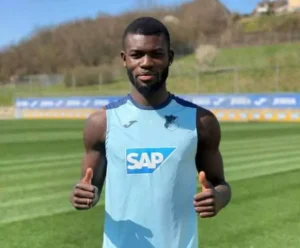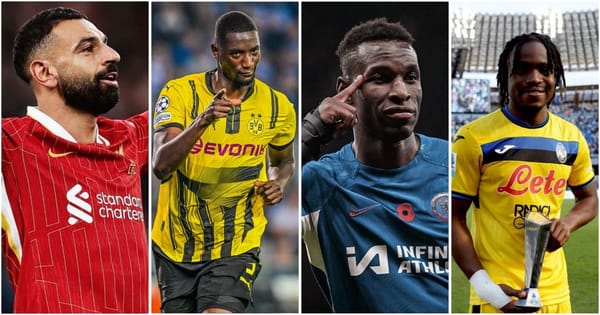
African footballers have reshaped the global game for decades.
From North African tacticians to West African powerhouses, East African engines and Southern African technicians, the continent consistently produces players capable of thriving on Europe’s biggest stages.
Yet the journey from Africa to Europe is rarely simple.
The transition is equal parts opportunity and upheaval—an adaptation test that blends football education, cultural survival, physical evolution, and mental endurance.
This feature breaks down how African players adjust to European football, where they excel, the obstacles they fight through, the systems that shape their careers, and why the continent remains one of world football’s richest talent reservoirs.
The African Football Identity: Raw Ingredients Europe Wants
European clubs scout Africa for qualities that are difficult to coach into players who do not naturally grow with them.
These foundational attributes form the basis of early recruitment.
Athleticism and Explosive Power
Speed, acceleration, vertical leap, strength in duels, and natural stamina create a baseline advantage for many African footballers.
Wingers from West Africa, central midfield engines from East Africa, and defensive brutes from North Africa often arrive with physical tools already at elite levels.
Street Football Intelligence
Many African players develop in unstructured environments — streets, community fields, patch-pitch academies, or neighbourhood tournaments. This environment breeds:
- Fast decision-making
- Unpredictability in 1v1s
- Ball confidence in tight spaces
- Competitive fearlessness
These traits translate well against European defenders and systems that often emphasise structure over spontaneity.
Mental Resilience
African players are often moulded by adversity long before they reach professional football.
Long travel distances to training, limited facilities, financial pressure, or early responsibility create mental toughness and hunger that coaches in Europe value immensely.
Why Europe Wants African Players More Than Ever
The modern European game, driven by data, analytics, and physical demand, increasingly rewards the exact player profile Africa reliably produces:
- High pressing intensity
- Recovery speed in transitions
- Ball winning duels
- Counter-attack explosiveness
- Tactical flexibility
This explains why African players have become indispensable to elite European squads, from Premier League title winners to Champions League finalists.
The Journey to Europe: Not a Transfer, But a Transformation
Reaching Europe marks the start of adaptation, not completion.
Three Common Pathways
- Direct club transfers – top young talents get scouted from African academies to European youth teams.
- Stepping-stone leagues – players move first to Belgium, Austria, Morocco, Tunisia, Egypt, Scandinavia, or Portugal before elite leagues.
- Diaspora route – Africans raised or dual-national in Europe enter academies through local youth systems.
Each path has benefits, but every player faces the same core challenges: tactical adaptation, lifestyle adjustment, and identity evolution.
Tactical Adaptation: Learning a New Football Language
From Freedom to Structure
In many African football settings, individual flair and improvisation are encouraged. In Europe, they’re refined, channelled and often restricted by tactical systems.
Players must adapt to:
- Rigid positional discipline
- Pre-planned pressing schemes
- Tactical rotations and automated movement
- Game-phase responsibilities (build-up, mid-block, low-block, transition)
- Tactical foul awareness, game slowing, and European tempo manipulation
This learning curve separates those who merely survive Europe from those who dominate it.
Training Ground Over Match Day
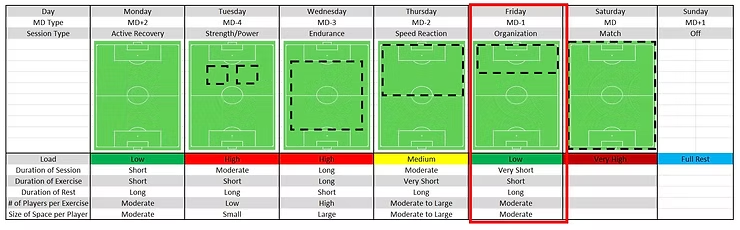
In many European clubs, the real competition happens Monday to Friday. African players often note that:
- Training intensity is higher than matches
- Tactical meetings determine selection as much as talent
- Coaches expect intellectual engagement, not just execution
Those who grasp this fastest typically rise fastest.
Position Re-Education
It is common for African players to be repositioned in Europe:
- Wingers becoming wing-backs
- Box-to-box midfielders converting to holding roles
- Strikers learning to press or play dual-direction roles
- Centre-backs transitioning to build-up ball carriers
Adaptability becomes currency.
Physical Evolution: New Demands, New Science
Even elite African athletes must adjust to European conditioning standards.
The Added Layers
- Sports science monitoring (GPS tracking, load management, sleep metrics)
- Nutrition planning
- Hormone and body composition checks
- Personalised gym programmes
- Injury prevention and recovery protocols
African players accustomed to natural physical dominance discover they must now blend raw power with biomechanical efficiency.
Intensity Without Ball
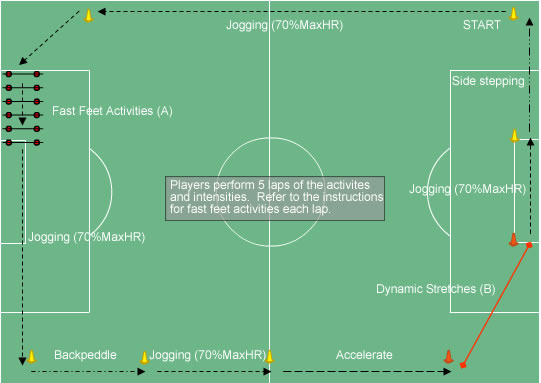
European football demands intense movement without possession:
- Repeated pressing sprints
- Defensive recovery runs
- Tactical cover shadows
- Counter-pressing movements
This influences everything from muscle development to game understanding.
Climate Shock and Performance Impact
Adapting to winter football is one of the stealthiest performance disruptors for African players.
Common Challenges
- Breathing in cold air during high metabolism moments
- Playing on frozen or heavy rain-soaked pitches
- Reduced muscle elasticity without prolonged warmups
- Shorter daylight hours affecting energy cycles
- Seasonal flu and immune system changes
Players often say their first European winter is their toughest football period off the pitch.
Cultural and Social Adaptation: Life Beyond the Stadium
Language Barriers
Communication problems can limit:
- Tactical understanding
- Coach trust
- Leadership opportunities
- Dressing room integration
- Media visibility
Players who learn the local language early often accelerate their careers.
Lifestyle Adjustment
Key differences include:
- Stricter time discipline
- Football-first social routines
- Less communal daily interaction than in African cities
- Performance-led social life
- Higher media scrutiny
Loneliness and Identity Strain
Many African players move abroad alone at 16–20 years old. Without family support, they face:
- Emotional isolation
- Pressure to send financial support home
- Public expectations of instant success
- Loss of community identity
Those who establish strong support networks early tend to adapt faster.
Discrimination and Bias: The Untold Battle
Some African players encounter:
- Stereotypes around “tactical indiscipline”
- Doubts about football IQ despite obvious ability
- Unequal scrutiny compared to non-African peers
- Racism from sections of fans, media, or opposition
Despite progress, the issue persists, and mental resilience becomes a survival toolkit.
The Competitive Depth of European Football
Unlike many African domestic leagues, European teams rarely have a guaranteed starter. Players compete against:
- International teammates
- Big-money signings
- Homegrown academy prospects
- Established captains
A bad training month in Europe can cost a player starting status, national team selection, and market value.
The Success Traits Shared by African Players Who Thrive in Europe
After studying hundreds of career trajectories, success tends to follow this pattern:
| Trait | Impact |
|---|---|
| Tactical curiosity | Faster selection and more versatility |
| Language learning | Better communication and coach trust |
| Humility + hunger | Sustainable development |
| Professional lifestyle | Longer peak performance |
| Mental resilience | Fewer career-derailing setbacks |
| Adaptability | More minutes, more roles, more value |
Talent opens the door. Adaptation keeps it open.
Key Areas Where African Players Excel in Europe
Transition Football
Breaking fast, recovering faster, thriving in chaos.
One-On-One Dominance
Particularly in dribbling, duels, recovery tackles and forward challenges.
Big-Moment Mentality
Many African players shine brightest in knockout games, finals, derbies, or high-pressure moments.
Physical Sustainability
When conditioned correctly, African players often enjoy long performance peaks and fewer seasonal drop-offs.
Fan Connection
African players tend to earn strong emotional bonds with supporters through passion, humility, and visible effort.
Where Adaptation Is Most Difficult
Tactical Rigidity
Freedom vs structure is often the biggest developmental shock.
Winter Performance
Physical comfort directly affects expression, especially in first seasons.
Consistency Over Brilliance
Europe rewards 7/10 every week more than 9/10 once a month.
Low-Block Patience
Some players from transition-heavy football backgrounds initially struggle against deep defensive systems.
Why Some African Stars Need Time to Explode in Europe
Many African players do not peak immediately. The reasons:
- Adjustment phases are underestimated
- Tactical recalibration takes seasons, not months
- Emotional stability must be built
- Role clarity comes after trust, not before it
Clubs that show patience are usually rewarded.
Impact of African Football Academies on European Success
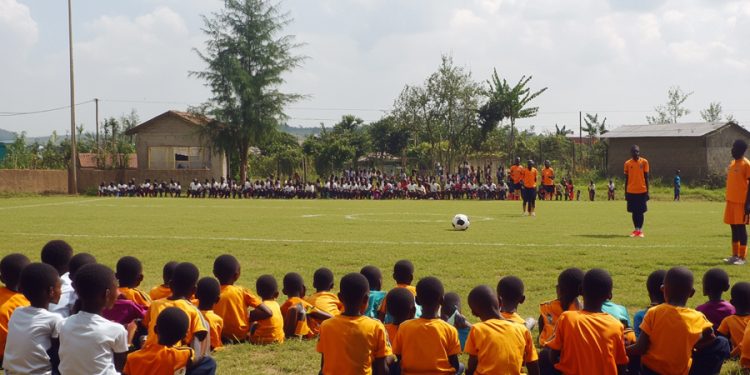
Africa’s growing academy infrastructure has raised the level of preparedness dramatically. Modern academies now emphasise:
- Tactical video analysis
- Sports nutrition education
- Positional discipline
- European coaching methodologies
- Character development
This shortens the adaptation time once players arrive abroad.
How European Clubs Support African Integration
Leading clubs now invest in:
- Culture mentors
- Player liaison officers
- Language tutors
- Mental health support
- Diet personalisation
- Off-field transition programmes
- Family relocation support
This represents a shift from extraction to integration.
The Dual-Pressure Reality: Country and Career
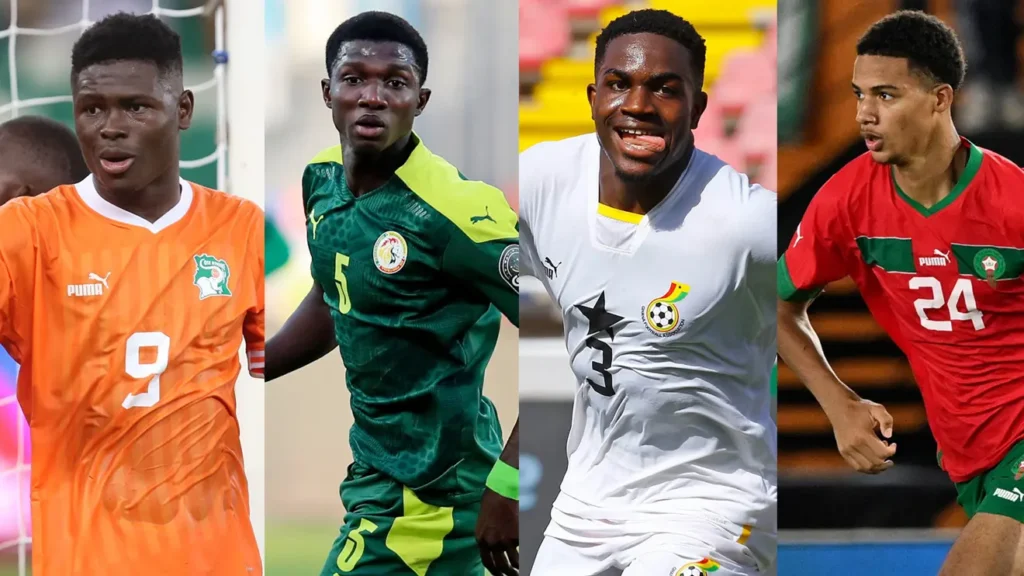
African players often carry two weighty roles:
- Perform as professionals in Europe
- Serve as symbols of national pride
National expectations can inspire, but also intensify pressure that European teammates may not share.
The Unique Advantages African Players Bring to European Teams
| Advantage | Description |
|---|---|
| Uncoached Intuition | Instinctive game reading in unpredictable moments |
| High pain threshold | Playing through discomfort without panic |
| Emotional passion | Visible leadership and competitive fire |
| Athletic versatility | Ability to cover multiple positions physically |
| Hunger to prove | Deep motivation to succeed beyond sport |
What the Future Looks Like
African football exports are evolving.
- No longer just raw talents, but tactical graduates
- More midfield controllers, defenders, and orchestrators emerging
- Increasing presence in top league leadership roles
- Earlier adaptation ages due to academy refinement
- More players influencing systems, not just fitting into them
The future isn’t African players adjusting to Europe — it’s Europe adapting to African influence.
Conclusion
African players continue to reshape European football, not just by adapting to it, but by redefining its expectations.
Their journeys reflect more than sporting development — they reveal stories of resilience, reinvention, intelligence, sacrifice, and amplification of identity on the global stage.
The ones who thrive combine natural gifts with learned structure, emotional strength with tactical discipline, and individual brilliance with collective responsibility.
Europe polishes Africa’s diamonds. Africa provides Europe with its most uncut, unfiltered, unstoppable ones.