African football produces stars who capture nations, ignite stadiums, and change history.
Many legends take the Europe route, chase global fame, and join elite leagues.
Some icons reject that path, stay home, and still earn immortality.
Their greatness comes from impact, not geography.
Their stories matter forever.
Brilliance does not need a European stage to gain legitimacy.
Local dominance, national glory, and continental success craft legends too.
These players shape identity, culture, pride, and generational belief.
This list celebrates African icons who never kicked a ball in a European league.
Their careers thrive in Africa, the Middle East, or home continents only.
Their legacies live in goals, trophies, folklore, and loyal fan devotion.
Mahmoud El Khatib (Egypt)
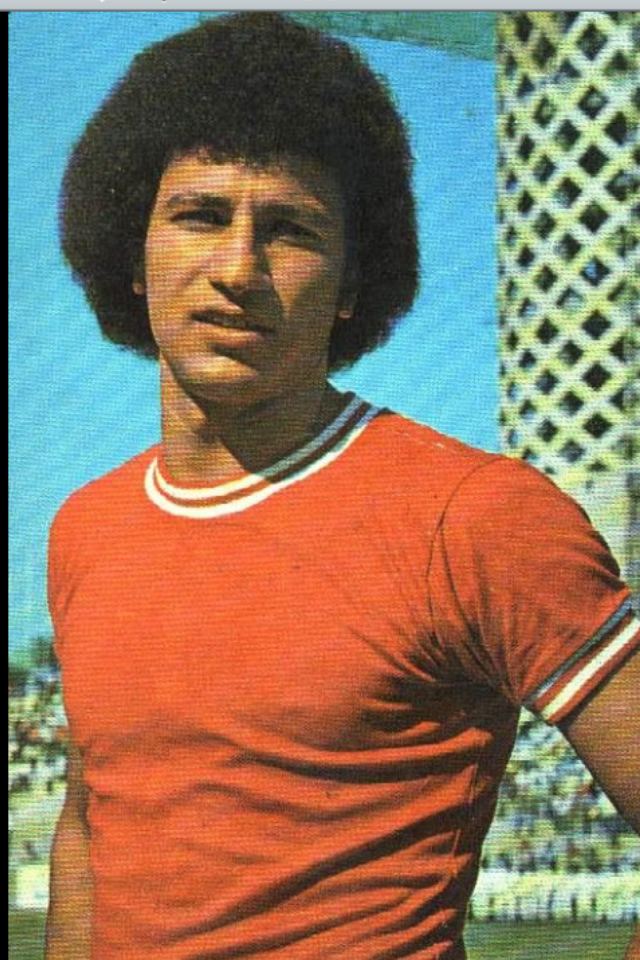
El Khatib inspires Egyptian football without stepping into European club football.
He builds his legacy at Al Ahly and rejects repeated European offers.
He scores goals, wins trophies, and carries the “Bibo” nickname into football royalty.
El Khatib leads Al Ahly to African titles and domestic dominance.
He also claims Africa’s top personal honor by winning the 1983 Ballon d’Or African award.
Fans connect him to elegance, intelligence, and leadership on the pitch.
He serves Egyptian football as player, leader, and later club president.
His story never bends toward Europe to earn respect.
His career proves global recognition grows from excellence, not relocation.
Mohamed Aboutrika (Egypt)

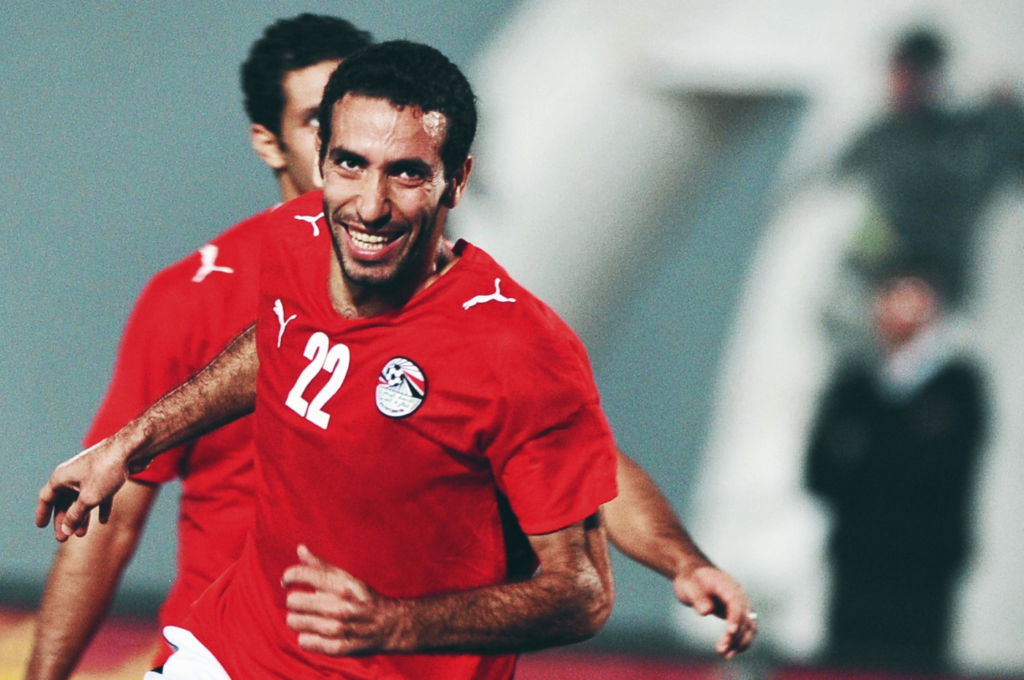
Aboutrika captures hearts across Africa without European club football.
He builds mythic status at Al Ahly and Egypt’s national team.
He conquers AFCON titles in 2006, 2008, and 2010.
Aboutrika delivers moments fans replay in cafés, homes, and stadiums.
He turns stadiums into theatres of controlled magic.
He scores the 2008 AFCON final winner, a goal Africa never forgets.
Big European clubs show interest, but home loyalty and purpose win.
His career demonstrates love for identity over foreign league appeal.
He retires with a legend bigger than geography (AFCON records).
Ali Abu Gresha (Egypt)

Abu Gresha completes his career without leaving Ismaily or Egypt.
He earns hero status by guiding Ismaily to continental triumph.
He scores the goal that crowns Ismaily African champions in 1969.
No Egyptian club outside Cairo owns that achievement.
He wins African Footballer of The Year in 1970.
Fans call him one of Africa’s most natural strikers.
His name still echoes in African football conversations.
His legacy shows Europe never defined greatness (FIFA archive).
Hacène Lalmas (Algeria)

Lalmas builds a colossal career without chasing Europe.
He dazzles with CR Belouizdad and Algeria’s national team.
He remains one of Africa’s most gifted midfield architects.
Lalmas dictates tempo, invents chance creation, and humiliates defenders with grace.
He earns African Player of the Year in 1968.
He stays loyal to Algerian football during a golden local football era.
His name belongs in halls of African football genius.
He proves artistry in football travels far without a passport stamp(CAF Legends).
Godfrey Chitalu (Zambia)
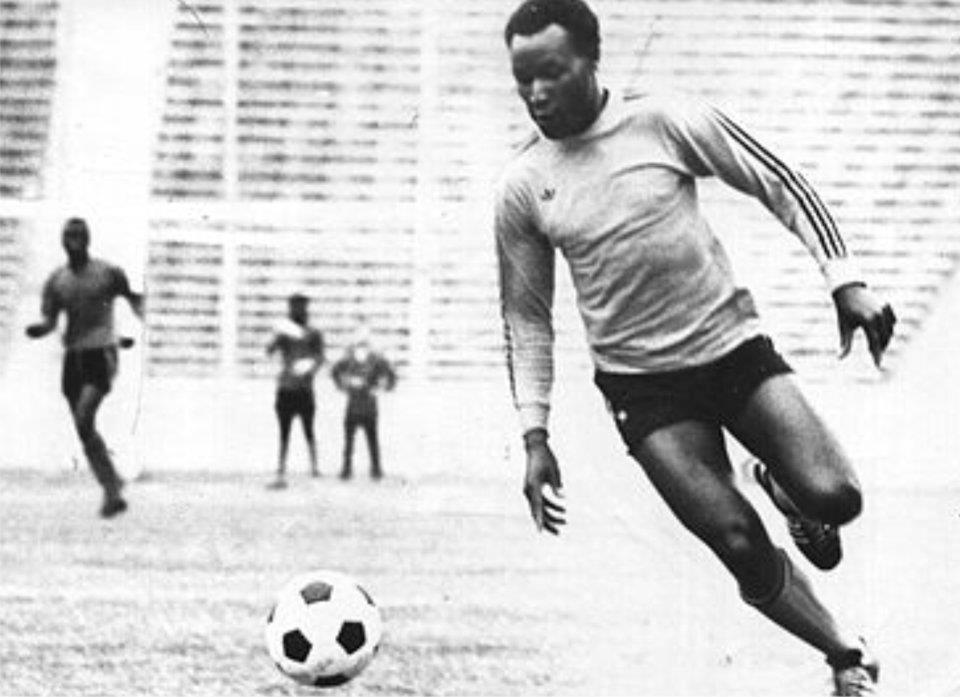
Chitalu rewrites African goal-scoring history without Europe.
He plays for Kabwe Warriors and Zambia.
He records a stunning 116 goals in 1972.
That number triggers global football debates for decades.
He leads Zambia with courage, goals, and warrior instinct.
Chitalu embodies African football before global media amplification.
He earns legendary status through volume, hunger, and impact.
He defines Zambian football identity with numbers and national joy (FIFA historic scorers).
Osei Kofi (Ghana)
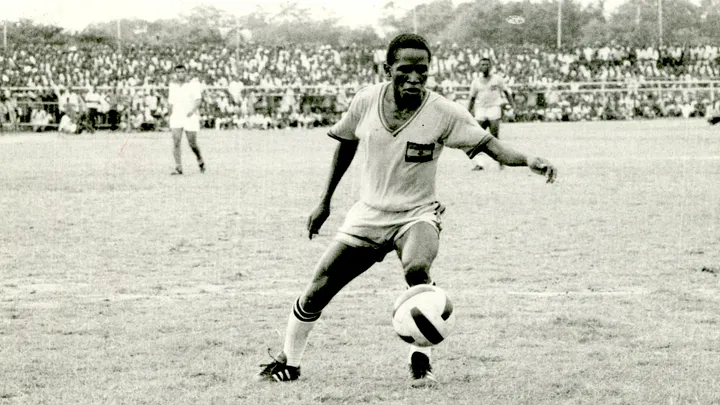
Osei Kofi terrifies defenders across Ghana and Africa.
He stays in Ghana’s domestic game with Asante Kotoko.
He wins the 1970 African Footballer of the Year award.
Osei delivers daring wing play, speed, and sharp finishing.
He conquers Africa with Kotoko in 1970.
He lights up stadiums before African football gains global TV reach.
His career breathes loyalty, community, and continental excellence.
Europe’s absence never shrinks his legend in Ghana (Ghana football history).
Why Their Legacies Matter Today
These icons rewrite equations about football success.
They prove greatness grows from roots, not relocation.
Inspire young players who cannot board planes to Europe.
Shape belief systems for domestic league value.
Expand what football success means in Africa.
They force a rethink on talent, aspiration, and legacy measurement.
Their careers ignite six key lessons.
1. Local leagues create icons too.
Fans worship heroes they can see, hear, and touch.
2. Identity builds legends faster than exposure.
A career tied to culture lasts longer than one tied to contracts.
3. Trophies talk louder than transfers.
Medals earn louder applause than flight announcements.
4. Influence beats visibility.
A legend with impact towers over a star with reach.
5. Football remembers emotion longer than ambition.
Fans remember joy, not scouting reports.
6. Africa protects its own narratives now.
History no longer needs European validation to make sense.
European Football and The Myth of Validation
Modern football worships Europe as the ultimate finishing school.
Talent scouts, agents, and media amplify that belief.
Young players absorb the idea early and think only Europe crowns greatness.
History counters that argument with facts and heroes.
El Khatib, Aboutrika, Lalmas, and others prove greatness without relocation.
Their achievements stand firm without UEFA nights or Sky Sports hype.
Their legacies travel through memory, not marketing budgets.
African football culture carries its own ecosystem of glory.
Stadium chants, street debates, local newspapers, and radio immortalize heroes too.
Europe markets stars, but Africa crowns icons.
Their Impact on Modern African Football
Their stories inspire academies, neighborhoods, and amateur pitches.
Boys and girls grow up knowing greatness has multiple pathways.
Clubs now market history, heritage, and identity with more pride.
National teams lean on heritage legends to fuel new ambition.
Sponsors and brands explore local icons for campaigns again.
Fans shift from foreign fixation to homegrown appreciation.
African football now protects narratives with louder self-belief.
The continent upgrades its stadiums, media spaces, and storytelling platforms.
Legends without European chapters finally gain overdue global spotlight.
Conclusion
Africa does not need Europe to prove football excellence exists.
Africa births legends who transform nations without crossing continents.
Their careers shine through goals, trophies, pride, and identity power.
Their stories grow stronger every year.
They inspire the future without changing the past.
Their legacies survive trends, markets, and football economics.
Greatness never asks for permission.
These icons prove it simply demands impact.